Happyend (2024) Review: Friendship Under Watch
Happyend is Neo Sora's near-future Tokyo drama about two best friends drifting apart as surveillance tightens around their school, and a quietly furious debut.
★★★★½ 4.7/5
Yes. It is one of the most distinctive coming-of-age films of recent years, ideal for viewers who like political cinema that works through mood and friendship.
Is Happyend worth watching?
Yes. Happyend is a remarkable fiction debut, a coming-of-age film that captures both the looseness of teenage friendship and the slow tightening of a society around it, and it lands with a force that builds long after it ends. Neo Sora gets unusually natural performances from his young cast and frames political anxiety through everyday school life rather than dystopian spectacle. The only caution is its deliberate, hangout-movie rhythm; viewers who want a plot-driven thriller will find it more patient than propulsive.
What is Happyend about?
In a Tokyo of the near future, the threat of a catastrophic earthquake hangs over daily life, and the government uses that fear to justify ever greater control. Two best friends, Yuta (Yukito Hidaka) and Kou (Hayato Kurihara), are in their final year of high school, more interested in music, late nights and the small rebellions of their gang of friends than in exams or the future.
When a prank at school goes too far, the principal responds by installing an automated surveillance system that monitors and scores the students. For Yuta, it is another joke to outwit. For Kou, who begins to see how the system treats people like him, it becomes something harder to laugh off, and the friendship starts to pull in two directions.
Happyend is a Japanese film in Japanese, written and directed by Sora. It premiered at the Venice Film Festival in 2024, and Kurihara later won the Asian Film Awards prize for best newcomer.
A hangout movie with a political pulse
What makes Happyend special is how it smuggles its ideas into ordinary scenes. The friends spend much of the film doing what teenagers do: hanging around the music room, sneaking into clubs, killing time on quiet streets at night. Sora lets these scenes breathe, and the camaraderie feels lived rather than scripted.
Around them, the pressure builds almost invisibly. Cameras appear, rules multiply, adults speak the language of safety, and the film never stops to lecture. The result is a portrait of how control becomes normal: not through dramatic crackdowns, but through gradual changes that most people learn to accept.
Two young actors, one widening gap
Kurihara and Hidaka, both newcomers, are the film’s beating heart. Hidaka plays Yuta as a joyful, reckless kid who wants the party to go on forever, and his lack of interest in politics feels less like selfishness than like a refusal to grow up yet. Kurihara gives Kou a quieter, more watchful quality; his growing awareness plays out in glances and hesitations as much as in words.
Their friendship is the film’s emotional argument. Sora is not interested in declaring one boy right and the other wrong. Instead, he shows how political awakening can separate even the closest friends, and how painful it is when one person sees something the other cannot or will not see.
Where the looseness costs momentum
Happyend’s relaxed structure is both a strength and a limitation. Some of the hangout scenes, lovely as they are, repeat similar beats, and the supporting friends are more sketched than fully developed. The near-future world-building is also deliberately minimal, which keeps the focus on the characters but may leave some viewers wanting a clearer sense of the society beyond the school gates. These are small complaints about a film that knows exactly what it is doing.
Who should watch Happyend?
It is essential for anyone who loves coming-of-age cinema, films about friendship, or political stories told through intimate means. Fans of contemporary Japanese independent film will find plenty to admire, and its concerns about surveillance, xenophobia and conformity will resonate well beyond Japan. There is little violence and only mild language, but the atmosphere of unease is persistent.
If Happyend hits home, try these next:
- Shoplifters, Kore-eda’s moving portrait of people on the margins of Japanese society.
- Drive My Car, for another patient Japanese drama that trusts quiet scenes to carry large ideas.
- Perfect Days, a gentler Tokyo story in which music shapes a character’s inner world.
The verdict
Happyend is a rare film that feels both of its moment and timeless, a story about friendship and the end of adolescence that doubles as a warning about how easily societies accept control. Its loose rhythm will not suit everyone, but its performances and its quietly furious intelligence make it one of the standout debuts of its year.
Rating: 4.7/5
Availability is a catalogue snapshot and can change. Confirm with the provider in your region.
Where to watch Happyend
Not confirmed on major subscription platforms in our US baseline — check regional listings.
Rent: Amazon Video, Apple TV, Google Play, YouTube, Fandango at Home
Buy: Amazon Video, Apple TV, Google Play, YouTube, Fandango at Home
By region: KlikFilm in Indonesia; TV+ in Turkey; Disney+ in South Korea
Full scores and availability on the movie page.
If you liked Happyend
Ranked by genre overlap and Celluloid Score. More movies like Happyend →
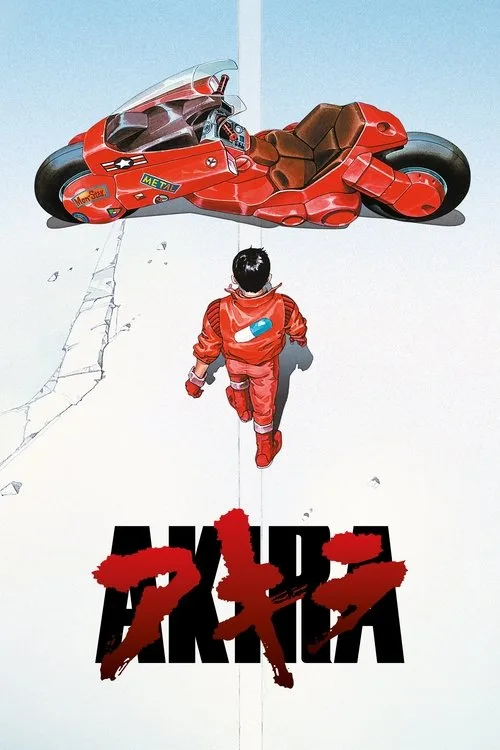 Annecy 1988
 Akira
Animation, Sci-Fi · 2h 4m
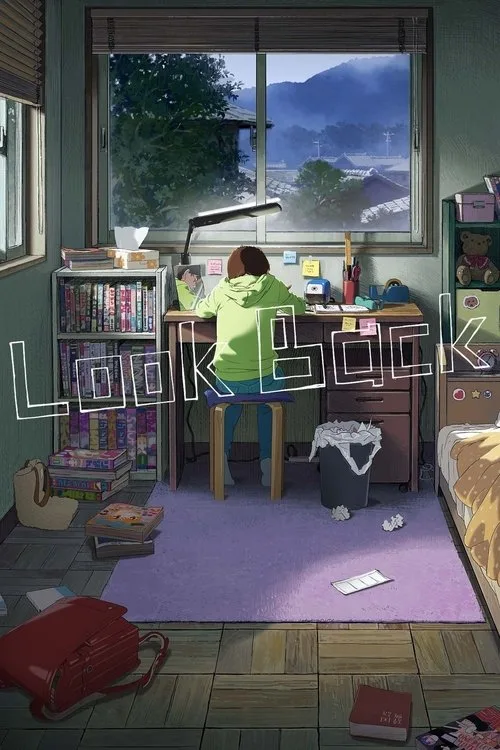 FeaturedAnnecy 2024
 Look Back
Animation, Drama · 58m
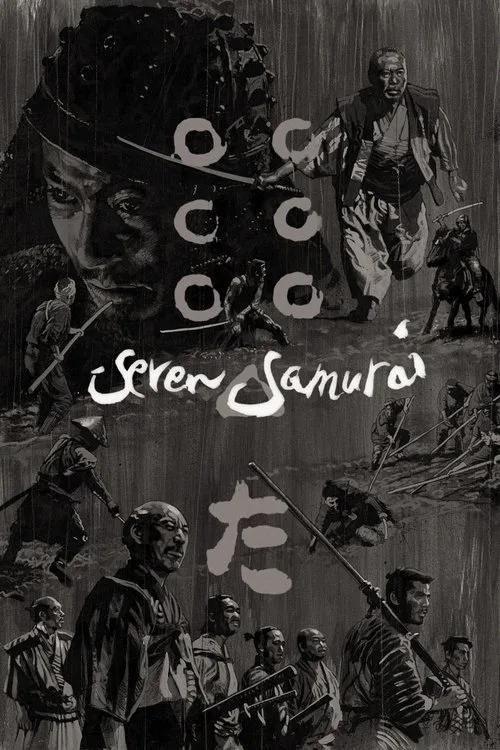 Venice 1954
 Seven Samurai
Action, Drama · 3h 27m
 Venice 1951
 Rashomon
Crime, Drama · 1h 28m
Where can I watch Happyend?
Rent: Amazon Video, Apple TV, Google Play, YouTube, Fandango at Home. Buy: Amazon Video, Apple TV, Google Play, YouTube, Fandango at Home. Regional notes: KlikFilm in Indonesia; TV+ in Turkey; Disney+ in South Korea.