Drive My Car (2021) Review: Learning to Listen
Ryusuke Hamaguchi's drama uses a car, a theatre rehearsal and the spaces between conversations to examine grief. A spoiler-free look at the performances, pacing and emotional demands.
★★★★½ 4.5/5
A deeply rewarding drama for an attentive evening. Drive My Car finds emotional movement in listening and repetition, though its three-hour duration and restrained pace will not suit every mood.
Is Drive My Car worth watching?
Yes, if you are willing to let a film establish its own pace. Drive My Car turns listening into dramatic action. Its silences are not pauses between the important parts; they are often where a character’s understanding begins to change. The film asks for close to three hours, and its rewards are cumulative rather than organised around frequent revelations.
Ryusuke Hamaguchi’s direction is exact without being visibly impatient to impress. A line repeated during rehearsal can become more painful when heard in a different emotional context. A drive that initially seems like connective tissue gradually becomes a space in which two people can say what they cannot say elsewhere. This is demanding in the ordinary sense that attention matters. It does not require prior knowledge of theatre, Haruki Murakami or Chekhov.
The setup, without major spoilers
Yusuke Kafuku is an actor and theatre director whose relationship with his wife, Oto, leaves him with feelings he cannot easily resolve. Work takes him to Hiroshima, where he stages a multilingual production of Uncle Vanya. The festival assigns Misaki Watari to drive his red Saab, removing a private ritual from his exclusive control.
That arrangement sounds modest, but privacy is one of the film’s central concerns. Kafuku has learned ways of managing what he hears and what he acknowledges. A stranger in the driver’s seat disturbs those habits without demanding an immediate confession. The car becomes a place where neither person has to maintain a public performance, even though both remain guarded for a long time.
The film takes time to establish Oto as a presence before the Hiroshima material develops. That extended beginning is necessary to the emotional structure, though viewers expecting an immediate journey with the driver may find themselves wondering when the advertised premise will start.
Rehearsal as a way of thinking
The theatre sequences show performers working across spoken languages and Korean Sign Language. Because communication cannot be reduced to quick verbal exchange, listening includes watching bodies and waiting for another person’s rhythm. The rehearsals make that process visible instead of simply announcing that art crosses cultural boundaries.
Kafuku initially favours repetition and restraint. The actors have to find something within the text rather than advertise a feeling on top of it. Hamaguchi uses a related method in the film itself: situations recur, but the viewer’s knowledge alters their meaning. What sounded like a professional instruction can begin to resemble a defensive habit.
Uncle Vanya contributes a vocabulary of disappointment, endurance and unrealised possibility. The film gives enough context for these ideas to register without treating the play as a puzzle the audience must solve. The relationship is productive because the characters do not neatly map onto theatrical roles. A borrowed line can express something they could not have said directly, while still remaining someone else’s words.
The performances: restraint with movement inside it
Hidetoshi Nishijima makes Kafuku’s composure both convincing and costly. He can appear to be receiving a conversation while keeping his response at a careful distance. Changes in posture, eye contact and timing become significant because the performance has not spent its emotional resources too early.
Toko Miura gives Misaki a practical steadiness that never reads as simple emotional health. Her concentration on driving is a form of work, a responsibility and a boundary. The relationship gains force because she is not introduced as a magical cure for an older man’s unhappiness. Her history and judgement matter in their own right.
Park Yu-rim’s work in the theatre ensemble makes the act of watching especially important. Her character communicates through Korean Sign Language; the film treats this as a fully expressive language, not an absence of speech. The viewer must attend to gesture and duration rather than wait for a conventional spoken climax.
What the car changes
Inside the Saab, people can share a space without continually looking at one another. That side-by-side arrangement allows a different intimacy from a conversation across a table. Windows keep the passing world visible, while recorded dialogue makes another voice part of the interior. The image can hold several kinds of distance at once.
The road footage also prevents the theatre from becoming the whole world of the film. Hiroshima’s routes, changing light and the simple logistics of travel give emotional work a physical setting. The car is recognisable and memorable, but it matters because of the habits it contains rather than because it is an attractive object.
Hamaguchi’s patient editing lets the viewer notice when routine has altered. An exchange need not become louder to become more open. By trusting small variations, the film makes its more explicit moments of feeling feel prepared rather than imposed.
Reservations and the right audience
The length is a genuine consideration. Conversations sometimes explain an emotional parallel that the staging has already suggested, and the deliberate repetitions will frustrate viewers who want a continually advancing external plot. Its treatment of loss is serious and sustained. This is not an easy recommendation for a distracted evening or a time when grief feels too immediate.
Yet the apparent slowness serves a specific purpose. Trust and self-recognition are rarely efficient processes, and the film allows them to be uneven. If you enjoy performance-led dramas, the duration gives relationships room to develop beyond a sequence of key scenes. Take the runtime seriously, settle in, and let the smaller changes register.
The verdict and a useful companion film
Drive My Car is strongest when it shows the difference between hearing someone and making room for what they mean. Its theatre work, performances and visual restraint support the same inquiry from different angles. The result is moving without promising that understanding makes loss tidy.
Pair it with Ikiru for another Japanese drama about the distance between professional routine and an examined life. For contemporary domestic intimacy at a shorter length, consider Shoplifters. See the Drive My Car film page for credits, score inputs and regional viewing information; this review does not assume a particular streaming subscription.
Sources & further reading
References for credits, release details and production context. The critical assessment above is Celluloid’s.
Availability is a catalogue snapshot and can change. Confirm with the provider in your region.
Where to watch Drive My Car
Not confirmed on major subscription platforms in our US baseline — check regional listings.
Rent: Amazon Video, Apple TV, Fandango at Home
Buy: Amazon Video, Apple TV, Fandango at Home
By region: KlikFilm in Indonesia; MUBI in India; MUBI, TV+, HBO Max in Turkey; TVING in South Korea
Full scores and availability on the movie page.
If you liked Drive My Car
Ranked by genre overlap and Celluloid Score. More movies like Drive My Car →
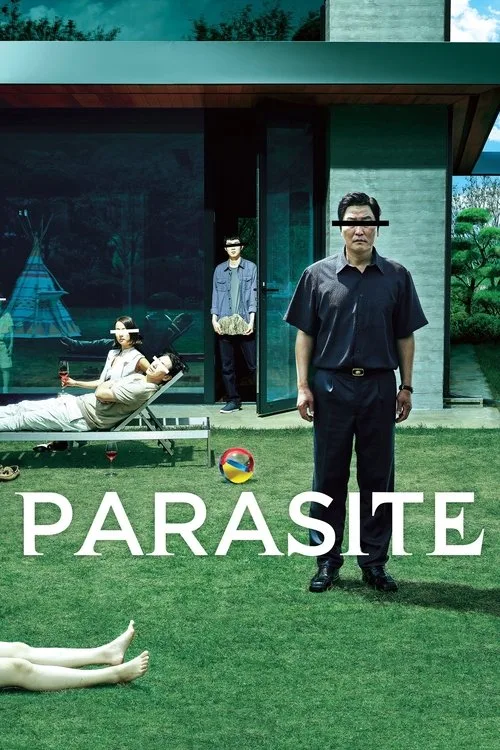 Cannes 2019
 Parasite
Thriller, Drama · 2h 12m
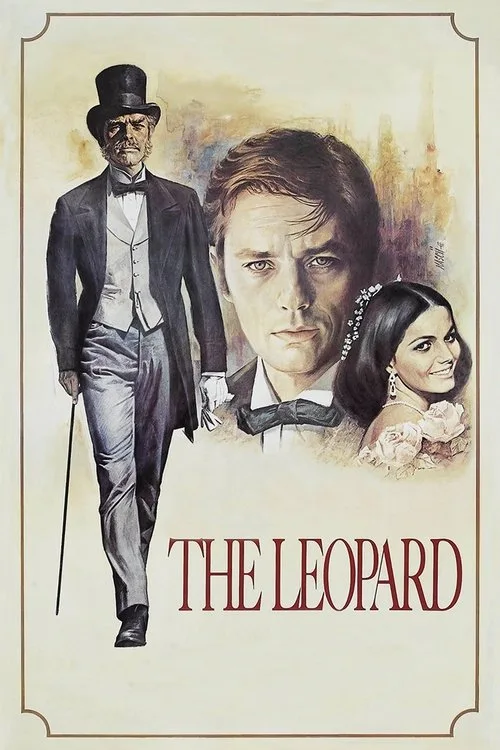 Cannes 1963
 The Leopard
Drama, History · 3h 5m
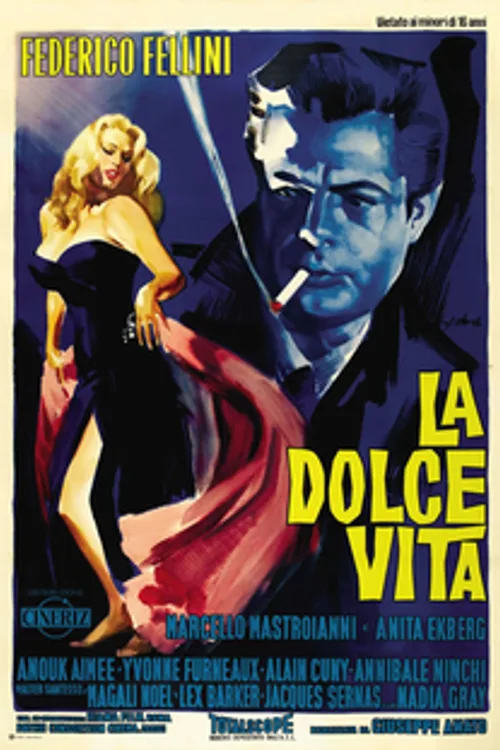 Cannes 1960
 La Dolce Vita
Drama · 2h 54m
 Cannes 2006
 Pan's Labyrinth
Fantasy, Drama · 1h 58m
Where can I watch Drive My Car?
Rent: Amazon Video, Apple TV, Fandango at Home. Buy: Amazon Video, Apple TV, Fandango at Home. Regional notes: KlikFilm in Indonesia; MUBI in India; MUBI, TV+, HBO Max in Turkey; TVING in South Korea.