Half Man (2026) Review: Brotherhood as an Open Wound
Half Man is Richard Gadd's bruising follow-up to Baby Reindeer, a six-episode British drama tracing two brothers' damaged bond across three decades.
★★★★☆ 4/5
Yes, with a warning. It is raw, uncomfortable and brilliantly acted, best for viewers who admired Baby Reindeer and can handle heavy themes over six tough episodes.
Is Half Man worth watching?
Yes, with a warning. Half Man is a harrowing, superbly performed study of two brothers and the shame that binds them, and it confirms Richard Gadd as one of British television’s most fearless writers. Gadd and Jamie Bell give performances that are hard to watch and harder to forget. The reservation is that it lacks the tight, almost unbearable focus of Baby Reindeer: its decades-spanning structure is more sprawling, and its relentless bleakness will push some viewers away before the six episodes are done.
What is Half Man about?
The series opens at a wedding. Niall is about to marry when his estranged brother, Ruben, turns up without warning, and the reunion explodes into violence. From there, the story reels back across three decades to show how they got to this point: one brother shy and tender, the other armoured in a fists-first masculinity, and a bond that curdles from playground loyalty into something tangled with secrets, obsession and need.
Half Man was created and written by Richard Gadd, who also stars opposite Jamie Bell, with Mitchell Robertson and Stuart Campbell among the cast. It is a British drama in English, streaming on HBO Max in the US. This review covers the complete series: one season of six episodes, conceived as a finished story.
Gadd returns to the territory of male shame
Anyone who saw Baby Reindeer will recognise the preoccupations. Gadd is interested in what men hide, from others and from themselves, and in how violence and tenderness can come from the same wound. Where his earlier series looked at one man’s experience over a few years, Half Man maps that damage over a lifetime, asking how a relationship formed in childhood can define two people well into middle age.
The writing is unsparing. Conversations circle around what neither brother can say, and the show refuses to make either of them simply a victim or a villain. That moral ambiguity is its greatest strength: sympathy shifts constantly, and scenes that begin as comedy or affection can sour within a few lines.
Two performances that refuse to soften
Jamie Bell has rarely been better. He plays a man whose restraint looks like calm until it clearly is not, and he makes small gestures carry years of history. Gadd, in turn, commits fully to a character who is often frightening and occasionally pitiful, without asking for the audience’s forgiveness. Their scenes together have a volatile, physical charge, the sense that affection and aggression are always one breath apart.
The actors in the earlier timelines do important work too, establishing the childhood patterns that the adult scenes keep replaying. The casting across ages is convincing enough that the time jumps rarely break the spell.
Where the sprawl costs it
The flashback structure is ambitious, but it is also the source of the series’ main weakness. Opening on a violent climax and working backwards generates tension, yet some episodes feel as though they exist mainly to fill in the timeline rather than to deepen it. Across six episodes, the pacing is uneven, and the cumulative weight of the misery can blur rather than sharpen the story’s insights. Baby Reindeer had a single, driving obsession at its centre; Half Man spreads its focus wider and occasionally loses its grip.
Who should watch Half Man?
It is for viewers who want serious, difficult drama and are prepared to sit with discomfort, especially those who admired Baby Reindeer. Six episodes make it a short commitment, but not a light one: it carries mature ratings, with strong violence, sexual content, and themes of abuse, sexuality and shame handled bluntly. Some viewers will want to space the episodes out.
Three British dramas that make good companions:
- Adolescence, another unflinching look at masculinity and the forces that shape young men.
- I May Destroy You, in which a writer-star also turns painful experience into daring, uncomfortable television.
- Fleabag for a lighter but equally honest creator-led series about grief, family and self-destruction.
The verdict
Half Man does not quite match the lightning strike of Baby Reindeer, but it is a bold, bruising and deeply felt drama about brotherhood and the damage men do to each other. Its sprawling structure sometimes dilutes the impact, yet Gadd’s writing and the two lead performances make it one of the most memorable British series of the year.
Rating: 4/5
Availability is a catalogue snapshot and can change. Confirm with the provider in your region.
Where to watch Half Man
Streaming: HBO Max
By region: HBO Max in the United States; Sky Cinema in the United Kingdom; Lionsgate Play in India; TV+, HBO Max in Turkey
Full scores and availability on the series page.
More like Half Man
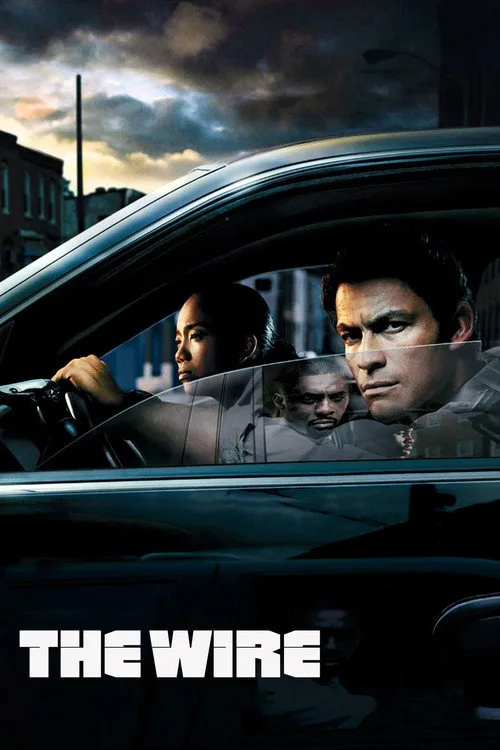 HBO Max Editor's Pick
 The Wire
Crime, Drama
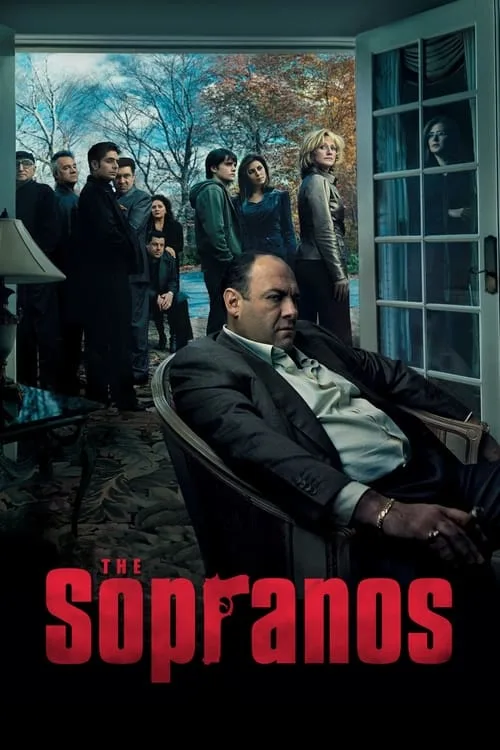 HBO Max Editor's Pick
 The Sopranos
Crime, Drama
 HBO Max Editor's Pick
 Succession
Drama
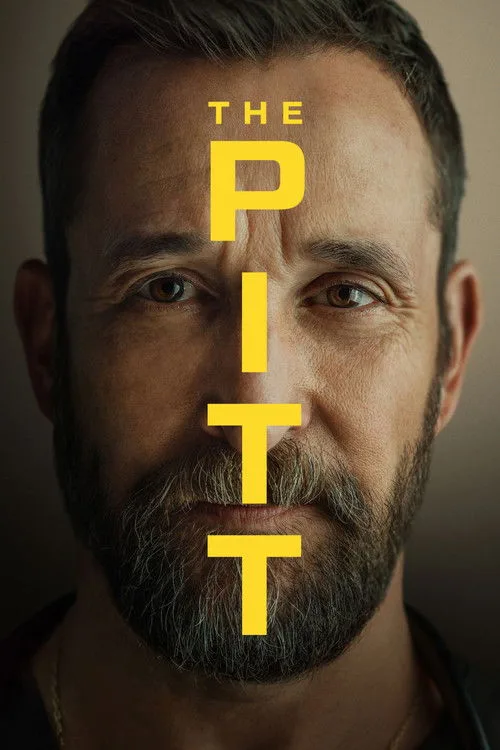 HBO Max Editor's Pick
 The Pitt
Drama, Medical
Where can I watch Half Man?
Streaming: HBO Max. Regional notes: HBO Max in the United States; Sky Cinema in the United Kingdom; Lionsgate Play in India; TV+, HBO Max in Turkey.