Dead Poets Society (1989) Reviews: What Critics Said
Critics admired Dead Poets Society for Robin Williams's restrained performance, its young cast and Peter Weir's atmospheric direction, while noting predictable conflicts; a later critique questions its idea of teaching.
Most critics here say yes: Dead Poets Society is a handsome, well-acted drama, though even admirers found its conflicts predictable and one later critic calls its message shallow. This is a roundup of published reviews; Celluloid has not rated it.
Editorial note: This is a roundup of published criticism of Dead Poets Society. Celluloid has not screened the film for this piece, and it carries no Celluloid rating. The critics are named and linked under Sources.
Is Dead Poets Society worth watching?
Most of the critics gathered here say yes: they admired Peter Weir’s drama for Robin Williams’s unusually restrained performance, a strong young cast and a quietly atmospheric sense of place. Even its admirers had reservations, chiefly about a predictable clash with authority and a late shift in tone. A later critique goes further, calling its idea of inspired teaching shallow.
What is Dead Poets Society about?
At an elite, tradition-bound boarding school in New England in 1959, a new English teacher, John Keating, urges his pupils to think for themselves and make the most of every day. Inspired, a group of boys revive a secret club from Keating’s own schooldays, the Dead Poets Society, testing the limits set by their parents and the stern headmaster. Peter Weir directed from an original screenplay by Tom Schulman. Robin Williams plays Keating, with Robert Sean Leonard, Ethan Hawke, Josh Charles and Gale Hansen among the students, Norman Lloyd as the headmaster and Kurtwood Smith as a demanding father. Released in 1989, it runs 129 minutes; full credits are on the Dead Poets Society film page.
What critics praised
Reviewing the film for Time on its release, Richard Schickel felt Williams came to act rather than to riff, and found the result powerful and, by the end, persuasive in its plainness. He liked the film’s refusal to fall back on the pranks of most teenage pictures, praised an ensemble led by Leonard and Hawke, and credited Weir with building a quietly shadowed, hemmed-in mood. He also valued its central idea that school should help the young discover what they care about most, not just stock them with information.
In Empire, Angie Errigo saw a clever, humane and generous film. She found Williams disciplined and likeable, more tender than manic, and felt the young actors all do well. Her highest praise went to Weir and his regular cinematographer, John Seale, for evoking the period, the setting and its people so vividly, and for lending simple moments, such as the boys’ night-time walks to their secret meeting place, an air of wonder.
Chris Hicks of the Deseret News made clear that this is no madcap Williams comedy. He called every performance excellent, singled out Leonard’s layered work, admired Seale’s photography and a subtle score, and judged the ending moving enough to leave audiences thinking.
Where critics were divided
Anyone expecting a Williams vehicle should know that these reviewers saw the boys at the centre: Schickel remarked on Williams’s limited screen time, Errigo pointed out that Keating is not the most prominent figure, and Hicks saw him as what binds the film together even when he is off screen. The main reservations concerned familiarity. Schickel regarded the prep-school drama as a dated form, found Keating’s showy eccentricity occasionally wearing, and was not wholly convinced by the late tragedy, yet still judged the film flawed but worthwhile. Errigo felt the story veers awkwardly into a foreseeable showdown with authority, centred on one boy and his pushy, unfeeling father, and that what follows casts a cold shadow over the film’s earlier high spirits; she found the finale sentimental, if rousing. Hicks spotted some stock characters and beats familiar from countless coming-of-age films, and thought it a little long.
The sharpest dissent came later. Writing in Salon in 2014, Noah Berlatsky argued that Keating is a careless reader who misses the irony in Robert Frost and reduces Whitman and the Romantics to feel-good slogans, and that his pupils end up following Keating’s lead rather than finding their own. He also objected that the film treats its female characters as mere opportunities for the boys to show off, and to a curriculum that leaves out anyone who is not a white man. For Berlatsky the film shows how enthusiasm untested by critical thought can leave people easy to manipulate, though he granted that its final scene is memorable.
Who is it for?
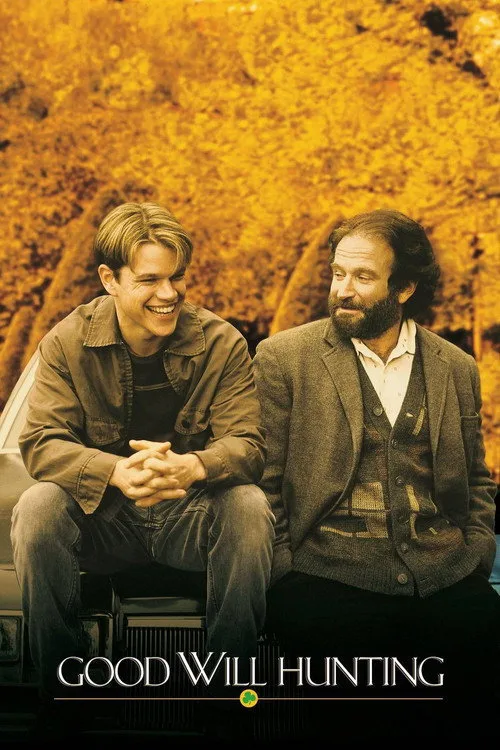
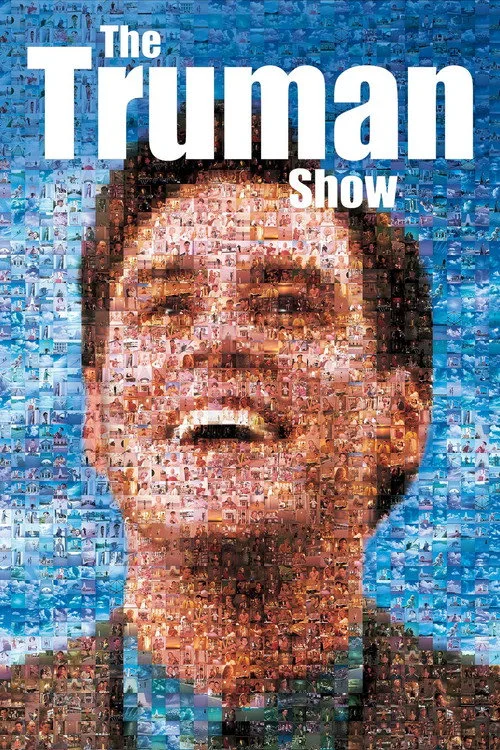
The film suits viewers drawn to earnest drama about school, family pressure and growing up, and anyone curious to see Williams in the quieter mode he revisited in Good Will Hunting; Weir’s later The Truman Show makes a natural companion. It is rated PG in the US and the UK, but it deals with heavy parental pressure and takes a tragic turn that may upset younger or vulnerable viewers. Those wary of sentiment, or of stories that romanticise a charismatic teacher, may side with Berlatsky.
The critical verdict
The earlier reviews gathered here were warm: Schickel, Errigo and Hicks all praised Williams’s restraint, the young cast and Weir’s atmospheric direction. Their doubts were mostly about familiarity. Berlatsky’s later critique goes to the heart of the film, questioning whether Keating’s inspiration amounts to real teaching. Three of the four critics here recommend it, with those caveats.
Sources & further reading
This article compares the named critics below. It is not the author’s personal review; any confirmed personal rating is shown separately on the film page.
Availability is a catalogue snapshot and can change. Confirm with the provider in your region.
Where to watch Dead Poets Society
Not confirmed on major subscription platforms in our US baseline — check regional listings.
Rent: Amazon Video, Apple TV, Google Play, YouTube, Fandango at Home
Buy: Amazon Video, Apple TV, Google Play, YouTube, Fandango at Home
By region: Disney+ in the United Kingdom; Disney+ in Indonesia; Disney+ Hotstar, Vi Movies & TV in India; Disney+ in Turkey
Full scores and availability on the movie page.
If you liked Dead Poets Society
Ranked by genre overlap and Celluloid Score.
Where can I watch Dead Poets Society?
Rent: Amazon Video, Apple TV, Google Play, YouTube, Fandango at Home. Buy: Amazon Video, Apple TV, Google Play, YouTube, Fandango at Home. Regional notes: Disney+ in the United Kingdom; Disney+ in Indonesia; Disney+ Hotstar, Vi Movies & TV in India; Disney+ in Turkey.