Danur: The Last Chapter (2026) Review: A Crowded Farewell
Danur: The Last Chapter sends Prilly Latuconsina's Risa back to her ghosts one final time, with a few creepy scenes lost in an overstuffed franchise mythology.
Mostly no. Longtime Danur fans may value the send-off, but newcomers and casual horror viewers will find the tangled lore harder to follow than the scares are worth.
Is Danur: The Last Chapter worth watching?
Mostly no. Danur: The Last Chapter has a handful of well-staged scares and a committed lead, but it is too tangled in franchise history to work as a satisfying horror film on its own terms. Director Awi Suryadi still knows how to make an old building feel hostile, and Prilly Latuconsina gives Risa a weary gravity that suits a farewell. The problem is everything around those moments: a story that leans on years of accumulated lore and rarely pauses to make it clear.
What is Danur: The Last Chapter about?
Years after shutting out the spirits who kept her company as a child, Risa (Latuconsina) has tried to build an ordinary life. That changes when her sister Riri starts behaving strangely after a marriage proposal made inside an old theatre. As unsettling incidents multiply around the family, Risa begins to suspect that Peter and the other ghost children she once knew are trying to warn her about something urgent.
Danur: The Last Chapter is presented as the final mainline instalment of the Indonesian ghost franchise drawn from Risa Saraswati’s books. It is directed by Suryadi, in Indonesian, and runs 98 minutes. The supporting cast includes Zee Asadel, Dito Darmawan and Lewis Robert.
Suryadi can still build a scare
The film’s best passages are the ones that trust atmosphere over explanation. The old theatre is a strong central location, with its dim stage, empty seats and backstage corridors, and Suryadi uses it well: slow camera moves, long silences and figures glimpsed at the edge of the frame produce a few genuinely tense sequences. When the film sticks to one space and one threat, it recalls why the series found such a large audience.
Latuconsina, who has anchored the franchise from the start, is its steadiest asset. She plays Risa less as a frightened heroine than as someone exhausted by a gift she never wanted, and the character’s reluctance to reopen that door gives the early scenes a grounded, human quality.
Mythology that buries the story
The trouble starts when the film tries to be a finale. Rather than telling one clear ghost story, it reaches back across earlier chapters for characters, rules and unfinished business, and much of the middle stretch is spent reconnecting threads. Viewers who remember every detail of the previous films may find this rewarding. Everyone else is left to piece together who wants what and why, while the tension leaks away.
The script also struggles to balance its ingredients. A family drama about the sisters, a period backstory tied to the Dutch colonial era and a run of jump scares all compete for the same short running time, and none gets the room it needs. The effect is less a crescendo than a crowd, with each element interrupting the next.
Where the farewell falls flat
A final chapter should feel like an ending the series has earned. Here, the emotional beats aimed at longtime fans often rely on nostalgia rather than on anything built within this film, so they land only for those already invested. The scares, meanwhile, follow a familiar pattern of quiet, quieter, loud noise, which works a few times and then becomes predictable.
Who should watch Danur: The Last Chapter?
It is really for committed fans of the Danur films who want to see Risa’s story through to its close. Newcomers should start with the first film instead, or choose a stronger standalone Indonesian horror title. Expect ghostly imagery, jump scares and some frightening sequences rather than graphic gore; it suits teenagers and adults who enjoy supernatural chills.
Better options from the same shelf:
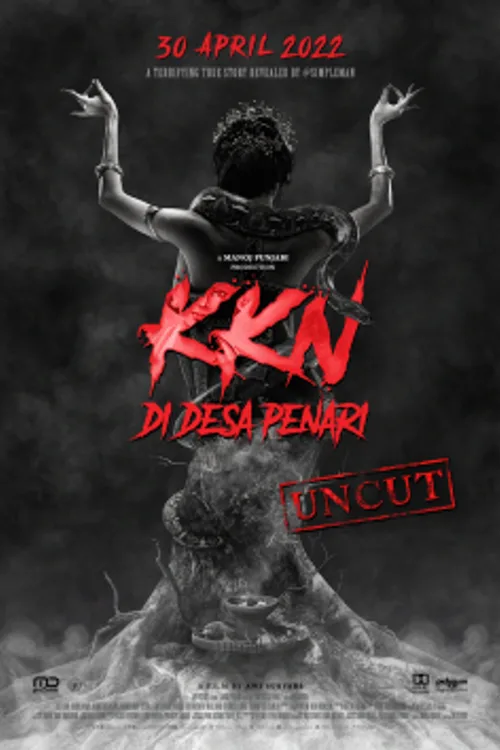
- KKN di Desa Penari, Suryadi’s smash-hit village horror, a more focused showcase for his command of dread.
- Impetigore, Joko Anwar’s self-contained folk horror, which shows how much a single clear story can achieve.
- Sewu Dino, for grimmer, more relentless Indonesian supernatural horror.
The verdict
Danur: The Last Chapter gives Prilly Latuconsina a dignified exit and offers a few scenes of real creepiness in its haunted theatre. But the film is weighed down by lore it never untangles and a finale that relies on fans’ memories to do its emotional work. Only dedicated followers of the series will find enough here.
If you liked Danur: The Last Chapter
Ranked by genre overlap and Celluloid Score.

Where can I watch Danur: The Last Chapter?
Regional notes: Netflix in Indonesia; Netflix in the Philippines; Netflix in Malaysia; Netflix in Thailand.