Cover-Up (2025) Review: Seymour Hersh Shows His Work
Cover-Up profiles investigative reporter Seymour Hersh across decades of unwelcome scoops, and plays as a gripping case study in how buried stories get out.
★★★★½ 4.5/5
Yes. It is a sharp, absorbing portrait of a great and difficult reporter, essential for anyone interested in journalism, secrecy and how power avoids scrutiny.
Is Cover-Up worth watching?
Yes. Cover-Up is a gripping, unusually candid documentary about Seymour Hersh, and one of the best films about investigative journalism in years. Its great strength is access to the man himself: Hersh explains how he finds sources, checks claims and keeps going when editors and governments push back, and he is as prickly and funny as his reputation suggests. The reservation is allegiance: it is plainly on its subject’s side, and it tests his more contested reporting less rigorously than it celebrates his triumphs.
What is Cover-Up about?
Cover-Up traces the long career of the Pulitzer Prize-winning American reporter, from the stories that made his name to the ones that still make officials uncomfortable. Hersh’s work includes the exposure of the My Lai massacre during the Vietnam War and, decades later, the reporting on prisoner abuse at Abu Ghraib, and the film uses stories like these to show a pattern: institutions deny, the reporter keeps digging, and the record changes.
Mark Obenhaus directed the film with Laura Poitras, the filmmaker behind Citizenfour. It is an American documentary in English that premiered at the 2025 Venice Film Festival, runs 117 minutes and streams on Netflix. The synopsis pitches it as a political thriller, and the structure earns that description.
The subject explains his own method
The film is at its best when it simply lets Hersh talk shop. He describes cultivating sources over years, reading documents others ignore, and the patience needed to confirm a detail before it goes to print. These passages turn an abstract idea, accountability journalism, into something concrete and procedural, and they are more exciting than most dramatised newsroom thrillers.
Hersh is also a demanding interviewee, and the filmmakers keep that friction in the frame. He is guarded about his sources, impatient with some questions and quick to deflect praise. Rather than smoothing this over, the documentary treats his combativeness as part of the story: the same stubbornness that makes him hard to interview is what made him hard to stop.
Archive as argument
Obenhaus and Poitras build the case from archive as much as interview. Newspaper pages, broadcast footage and official statements are arranged so that the gap between what governments said and what was later established becomes the film’s quiet engine. The effect is cumulative. Each episode on its own is a strong story; together they form an argument about how often the first official account is not the true one.
The pacing borrows from the thriller rather than the tribute reel. Scenes move with urgency, and the present-day interviews with Hersh, still sharp and still suspicious, stop it from becoming a museum piece about past glories.
Where the admiration shows
For all its sharpness, Cover-Up is more convincing as a portrait of method than as a full reckoning with a contested career. Hersh’s later reporting has drawn serious criticism over sourcing, and viewers familiar with those disputes may want the film to press him harder than it does. The film is also less gripping when it moves away from Hersh explaining his own methods, and a few middle passages lose some of the early urgency. Neither problem undoes the film, but it is an advocate’s portrait, and it helps to watch it as one.
Who should watch Cover-Up?
Anyone who works in journalism, studies it or simply reads the news with suspicion will find it absorbing. It also suits viewers who enjoy political history and true-story thrillers, since the structure plays like one. At 117 minutes it is a long sit, so plan for a full evening or two sessions. The subject matter includes war crimes and torture, discussed and shown through archival material, so it is not for younger viewers.
For more in the same vein from the documentary shelf:
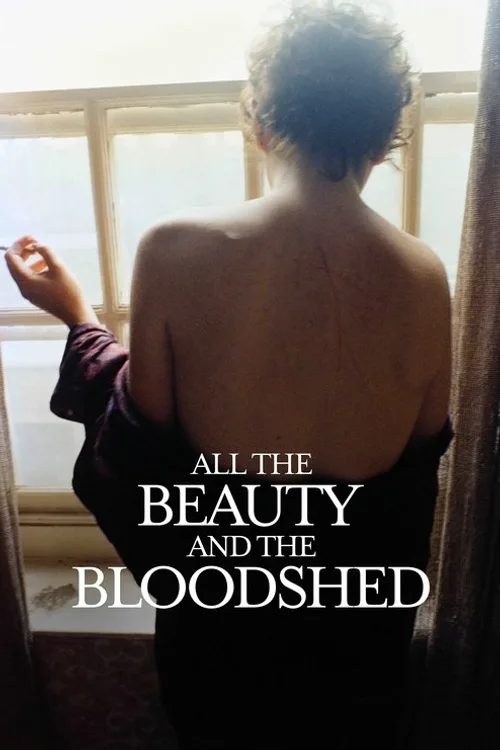
- All the Beauty and the Bloodshed, Poitras’s portrait of Nan Goldin’s campaign against a powerful family, another film about one stubborn person taking on institutions.
- Fahrenheit 9/11, Michael Moore’s angrier, more partisan look at the same era of war and official spin.
Fans of All the President’s Men will recognise the pleasure of watching reporters out-work the people trying to stop them.
The verdict
Cover-Up is a superb documentary about the craft of finding out what powerful people want hidden, with a subject who is as compelling as the stories he broke. It leans towards admiration, but few films make the case for dogged reporting this vividly.
Rating: 4.5/5
Availability is a catalogue snapshot and can change. Confirm with the provider in your region.
Where to watch Cover-Up
Streaming: Netflix
By region: Netflix in the United States; Netflix in the United Kingdom; Netflix in Indonesia; Netflix in India
Full scores and availability on the movie page.
If you liked Cover-Up
Ranked by genre overlap and Celluloid Score. More movies like Cover-Up →
 Venice 2022
 All the Beauty and the Bloodshed
Documentary · 2h 2m
 FeaturedSundance 2025
 Come See Me in the Good Light
Comedy, Drama · 1h 44m
 Featured
 Deaf President Now!
Documentary · 1h 40m
 Sundance 2021
 Flee
Documentary, Animation · 1h 29m
Where can I watch Cover-Up?
Streaming: Netflix. Regional notes: Netflix in the United States; Netflix in the United Kingdom; Netflix in Indonesia; Netflix in India.