Burning (2018) Review: Class Rage at a Slow Burn
Burning is Lee Chang-dong's hypnotic Murakami adaptation, a Korean mystery about a young man, an old friend and a rich stranger that simmers with class resentment.
★★★★½ 4.5/5
Yes. It is one of the great mysteries of recent cinema for patient viewers who enjoy ambiguity; anyone wanting neat answers or a fast thriller should look elsewhere.
Is Burning worth watching?
Yes. Burning is a masterly, unnerving film, a slow-burn mystery that uses a love triangle to explore envy, class and the things people cannot say to each other. Lee Chang-dong takes a slight Haruki Murakami story and turns it into something expansive and deeply unsettling, anchored by three superb performances. The only real reservation is temperament: it runs 148 minutes, moves deliberately and withholds easy answers, which is exactly the point but will test some viewers.
What is Burning about?
Burning follows Jong-su (Yoo Ah-in), a young man doing delivery work in Seoul while vaguely hoping to become a novelist. By chance he runs into Hae-mi (Jeon Jong-seo), a girl from his rural hometown, and they begin a tentative relationship before she leaves on a trip abroad, asking him to feed her cat while she is away.
When Hae-mi returns, she brings Ben (Steven Yeun), a charming, wealthy man she met on her travels, whose life of Gangnam apartments and effortless leisure is everything Jong-su’s is not. As the three spend time together, Jong-su’s jealousy and unease grow into something closer to dread.
Lee Chang-dong directed and co-wrote the film, which adapts Murakami’s short story “Barn Burning”. It is a South Korean production in Korean, running 148 minutes. Burning competed at Cannes in 2018, and Lee won Best Director at both the Blue Dragon Film Awards and the Asian Film Awards.
Three performances built on what goes unsaid
Yoo Ah-in plays Jong-su as a man who seems to be watching his own life from the outside, slack-jawed and withdrawn, his anger visible only in small flinches. It is a brave, unshowy performance, and it makes him an unreliable guide: the film sees much of the world through his eyes, and his resentments colour everything.
Steven Yeun, in his first major Korean-language role, is extraordinary as Ben. He is relaxed, polite and faintly amused, and the performance is all in the gap between his friendly surface and the boredom underneath, most tellingly in how often he yawns. Jeon Jong-seo, in her screen debut, gives Hae-mi a restless, searching quality that makes her far more than the object of two men’s attention; a long sequence at dusk, as she dances against the fading light, is one of the most beautiful and melancholy scenes of the decade.
Lee Chang-dong’s patient menace
The director builds tension out of almost nothing. Hong Kyung-pyo’s photography contrasts the cramped city with the empty farmland near the North Korean border where Jong-su’s family home stands, a place where propaganda broadcasts drift across the fields. The score by Mowg is sparse and nervy, used sparingly enough that each entrance feels like a warning.
What makes Burning exceptional is how much it holds in suspension. It is a mystery, a portrait of young people locked out of prosperity, and a study of how a man constructs a story to explain a world that humiliates him. Lee keeps all three readings alive without ever forcing one on the audience.
Where the patience becomes a test
The deliberate pacing is essential to the effect, but it is demanding. The first hour is largely observational, with long stretches in which very little happens on the surface, and viewers expecting the thriller promised by some marketing may disengage before the tension tightens. The film’s refusal to explain itself fully is its great strength, but it will leave some viewers feeling shut out rather than haunted.
Who should watch Burning?
It is essential for anyone who loves literary mystery and ambiguous, adult cinema, and for fans of Korean film who know it mainly through genre hits. Set aside two and a half hours and give it full attention; this is not a film for background viewing. It contains sexual content, drug use and moments of sudden violence.
Worth watching alongside it:
- Parasite, which approaches Korea’s class divide with more comedy but a similar anger.
- Memories of Murder, another Korean mystery in which the unanswered questions matter more than the solution.
- House of Hummingbird, for a quieter, similarly observational study of a young person on the edge of Korean society.
The verdict
Burning is a haunting, meticulously made film that grows richer the longer it sits with you. It asks for patience and offers no comfortable resolution, but its performances, images and slow-gathering menace make it one of the essential films of its decade.
Rating: 4.5/5
Availability is a catalogue snapshot and can change. Confirm with the provider in your region.
Where to watch Burning
Streaming: MUBI
Rent: Amazon Video, Apple TV, Google Play, YouTube, Fandango at Home
Buy: Amazon Video, Apple TV, Google Play, YouTube, Fandango at Home
By region: MUBI in the United States; Prime Video in India; TV+ in Turkey; Netflix, Wavve, TVING in South Korea
Full scores and availability on the movie page.
If you liked Burning
Ranked by genre overlap and Celluloid Score. More movies like Burning →
 San Sebastián 2006
 Volver
Comedy, Drama · 2h 1m
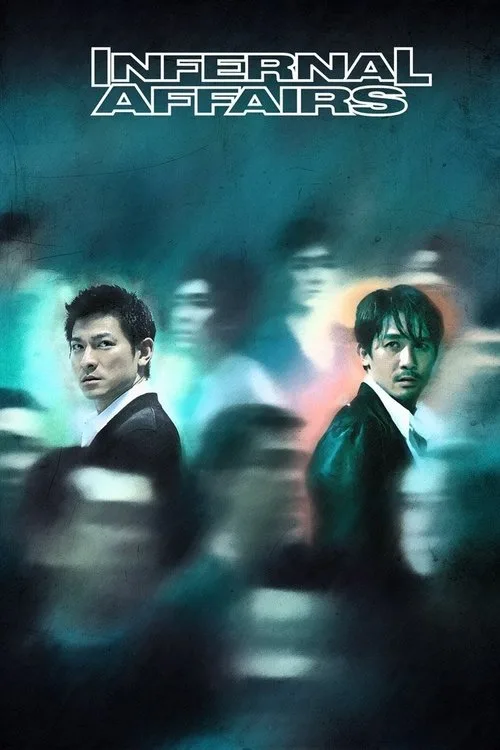 Golden Horse 2003
 Infernal Affairs
Drama, Action · 1h 41m
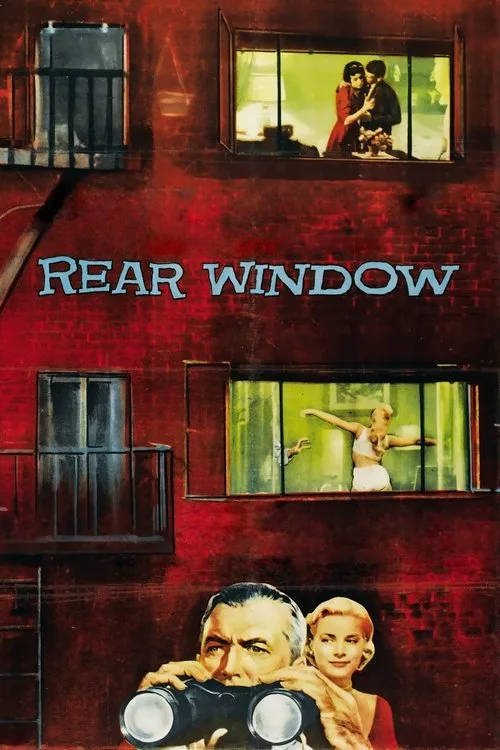
Rear Window
Thriller, Mystery · 1h 53m
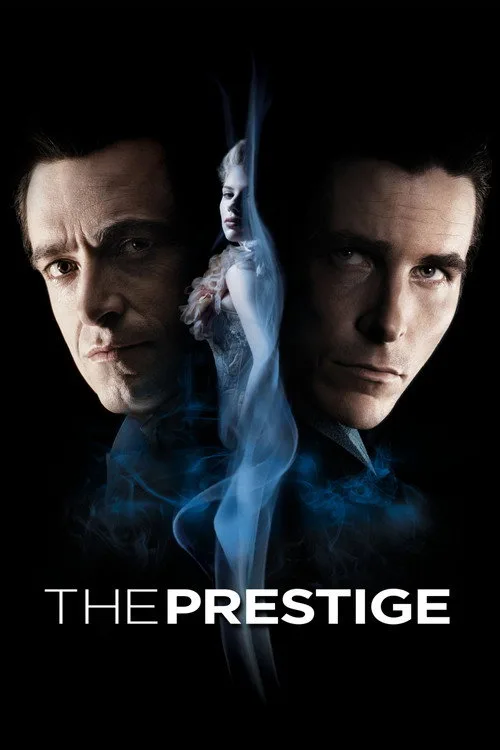
The Prestige
Drama, Mystery · 2h 10m
Where can I watch Burning?
Streaming: MUBI. Rent: Amazon Video, Apple TV, Google Play, YouTube, Fandango at Home. Buy: Amazon Video, Apple TV, Google Play, YouTube, Fandango at Home. Regional notes: MUBI in the United States; Prime Video in India; TV+ in Turkey; Netflix, Wavve, TVING in South Korea.