Black Box Diaries (2024) Review: A Survivor Holds the Camera
Black Box Diaries is Shiori Ito's Oscar-nominated documentary about investigating her own sexual assault in Japan, a raw and urgent act of self-exposure.
★★★★☆ 4.3/5
Yes. It is a gripping, courageous documentary about pursuing justice against powerful institutions, for viewers ready for distressing subject matter.
Is Black Box Diaries worth watching?
Yes. Black Box Diaries is a gripping and courageous documentary in which a journalist investigates her own sexual assault, and its first-person immediacy gives it a power few investigative films can match. Shiori Ito shows not only the case she built but the cost of building it, and the result is both a personal record and an indictment of how institutions treat survivors. The reservations are a length that occasionally sags and questions, raised by some of those who worked with her, about the use of certain footage.
What is Black Box Diaries about?
Black Box Diaries follows Shiori Ito, a Japanese journalist, as she pursues the man she says sexually assaulted her in 2015, a prominent television journalist with close ties to the country’s political elite. When the police and prosecutors decline to take the case forward, Ito refuses to let it disappear, and she turns her journalistic skills on her own experience, gathering evidence, recording calls and documenting each step.
The title refers to the phrase used for what happens behind closed doors, where there are no witnesses and the word of one person is set against another’s. Ito’s decision to go public made her a rare and much-attacked face of the #MeToo movement in Japan, and the film captures both the public battle and the private toll.
Ito directs a Japanese documentary that runs 103 minutes. It premiered at the Sundance Film Festival and was nominated for the Academy Award for Best Documentary Feature.
Investigation as self-portrait
What sets the film apart is its double perspective. Ito is both the investigator and the subject, and she films herself with unusual frankness: rehearsing what to say, breaking down after difficult calls, recording video diaries late at night. The camera becomes a tool for gathering evidence and a way of holding herself together.
That makes the film feel less like a conventional documentary than a thriller unfolding in real time. Phone calls with investigators and sources are tense, uncertain and sometimes shocking, and Ito’s methods show how much work falls on a survivor when official systems stall. The film also documents the harassment and hostility she faced after going public, which gives a vivid sense of the social pressures that keep many survivors silent.
A portrait of a system
Beyond the personal story, the film is an unsparing look at how legal and social institutions in Japan dealt with sexual violence at the time. It shows the narrow legal definitions, the reluctance of authorities and the power of connections, and it lets these facts speak through the case rather than through lectures.
Ito’s calm, precise presence on screen is part of the film’s force. She is not presented as a symbol, but as a person who is by turns determined, exhausted, funny and furious, and the film is frank about the toll the ordeal took on her.
Where the film invites questions
At 103 minutes, the diary structure can feel repetitive, especially in the middle stretch, where legal steps and setbacks follow one another without much variation. More significantly, the film has faced criticism in Japan, including from members of her own former legal team, over the use of some recordings and security footage without the consent of those involved. Viewers may find those questions sit uneasily with a film about consent and accountability, even while recognising the stakes that drove her choices.
Who should watch Black Box Diaries?
It is essential for viewers interested in investigative journalism, the #MeToo movement and the struggle for justice against powerful institutions. Set aside more than two hours and be prepared for difficult material. The film deals directly with sexual assault, trauma and mental health, and while it contains no graphic depiction of the assault, some accounts and footage are deeply distressing.
Related documentaries:
- All the Beauty and the Bloodshed, another documentary about one woman taking on a powerful establishment and paying a personal price.
- Cover-Up, for a portrait of investigative journalism and the pressure brought to bear on those who expose abuses of power.
- Flee, a documentary in which the subject tells his own traumatic story in his own words, with a very different, animated form.
The verdict
Black Box Diaries is a brave, gripping act of self-documentation that exposes how survivors are failed by the systems meant to protect them. Its length and the ethical questions around some of its footage complicate it, but its urgency and honesty make it one of the most important documentaries of its year.
Rating: 4.3/5
Availability is a catalogue snapshot and can change. Confirm with the provider in your region.
Where to watch Black Box Diaries
Streaming: fuboTV, Paramount+
Rent: Amazon Video, Apple TV, Google Play, YouTube, Fandango at Home
Buy: Amazon Video, Apple TV, Google Play, YouTube, Fandango at Home
By region: fuboTV, Paramount+ in the United States; KlikFilm in Indonesia; Shahid in the United Arab Emirates
Full scores and availability on the movie page.
If you liked Black Box Diaries
Ranked by genre overlap and Celluloid Score. More movies like Black Box Diaries →
 Sundance 2021
 Flee
Documentary, Animation · 1h 29m
 Sundance 2025
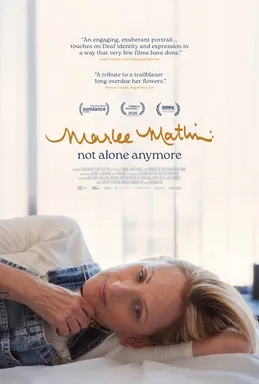
 Marlee Matlin: Not Alone Anymore
Documentary · 1h 38m
 Sundance 2025
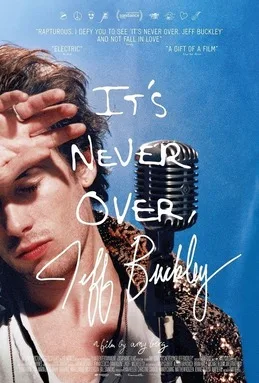
 It's Never Over, Jeff Buckley
Documentary · 1h 46m
 Featured
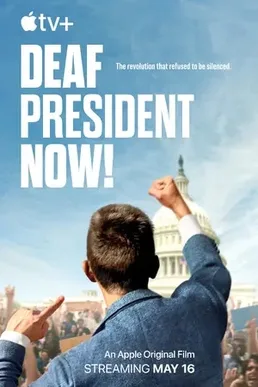
 Deaf President Now!
Documentary · 1h 40m
Where can I watch Black Box Diaries?
Streaming: fuboTV, Paramount+. Rent: Amazon Video, Apple TV, Google Play, YouTube, Fandango at Home. Buy: Amazon Video, Apple TV, Google Play, YouTube, Fandango at Home. Regional notes: fuboTV, Paramount+ in the United States; KlikFilm in Indonesia; Shahid in the United Arab Emirates.