Amélie (2001) Review: Whimsy With a Lonely Heart
Amélie is Jean-Pierre Jeunet's candy-coloured Montmartre fairy tale about a shy waitress who meddles in strangers' lives, and it still charms decades later.
★★★★½ 4.5/5
Yes. It is one of the most enchanting romantic comedies ever made and a perfect comfort watch, though viewers allergic to whimsy should know it never lets up.
Is Amélie worth watching?
Yes. Amélie is a dazzling, inventive romantic comedy whose sweetness is balanced by a real understanding of loneliness, and it remains one of the most purely delightful films France has exported. Audrey Tautou’s performance and Jean-Pierre Jeunet’s playful, detail-crammed style make it endlessly rewatchable. The reservation is that its whimsy is relentless: the film’s storybook Paris and its quirks can tip into cuteness, and it will not win over anyone who dislikes that kind of charm.
What is Amélie about?
Amélie Poulain (Audrey Tautou) grew up an isolated child with distant parents and has become a shy young woman who works as a waitress at a café in Montmartre, living mostly in her imagination. One day in 1997, a chance discovery in her apartment, a small box of a stranger’s childhood treasures, sets her on a mission: to return it to its owner and quietly improve the lives of the people around her. She becomes a secret benefactor to her neighbours, her colleagues and her withdrawn father (Rufus). What she cannot manage is to act on her own feelings, particularly once she becomes intrigued by Nino (Mathieu Kassovitz), a young man who collects discarded photo-booth pictures.
Amélie is directed by Jeunet from a screenplay he wrote with Guillaume Laurant. It is a French production in French, runs 122 minutes, won the César for Best Film and was nominated for the Academy Award for Best Foreign Language Film.
A fairy tale built from tiny details
Jeunet’s great gift is for the specific. The film opens with a narrator cataloguing the small pleasures and irritations of its characters, from dipping a hand into a sack of grain to skimming stones, and that list-making sensibility runs through everything that follows. Every character is introduced by what they like and dislike, and the effect is both comic and oddly moving, as if the film were insisting that small lives deserve close attention.
Visually, Amélie is unmistakable. Bruno Delbonnel’s photography bathes Paris in saturated greens, reds and golds, the camera swoops and zooms with cartoon energy, and digital touches, from talking pictures to a heart that visibly glows, turn the city into a place where anything can happen. Yann Tiersen’s accordion and piano score, now instantly recognisable, gives it all a bittersweet lilt.
Tautou’s shy mischief
The film would collapse into cleverness without its lead. Tautou plays Amélie with wide eyes and a sly half-smile, and she makes her schemes feel like acts of generosity rather than manipulation. More importantly, she lets us see the loneliness underneath: Amélie arranges happiness for everyone except herself, and the comedy of her plots keeps brushing against a real fear of being seen.
Kassovitz is warm and a little strange as Nino, a fitting match for a heroine who communicates through clues and games. The supporting ensemble, from the café regulars to a reclusive neighbour who paints the same Renoir over and over, is full of beautifully judged eccentrics.
When the charm becomes too much
There is a cost to so much design. At just over two hours, the constant flourishes can become tiring, and a few subplots feel more like sketches than stories. Critics have also long pointed out that Jeunet’s Montmartre is a spotless, nostalgic fantasy, scrubbed of the grit and diversity of the real city. That is partly the point of a fairy tale, but it does make the film feel sealed off from the world it celebrates.
Who should watch Amélie?
It is ideal for anyone who loves romantic comedy with imagination, for viewers new to French cinema, and for a rainy-night comfort watch. It suits most adult and teenage audiences, with some brief sexual content and mild innuendo played for comedy. If you have little patience for quirk, however, this is the most concentrated dose in modern cinema.
If you love it, these are natural next picks:
- The Artist, another French crowd-pleaser that turns nostalgia and style into a love story.
- The Intouchables, for a warm, broadly appealing French hit about unlikely connection.
- Portrait of a Lady on Fire, a far more restrained romance, for when you want to go deeper.
The verdict
Amélie is a triumph of personality, a playful, beautifully crafted fairy tale that uses its whimsy to say something true about shyness and connection. Its sugar and its storybook Paris will not suit everyone, but its inventiveness and Tautou’s luminous lead make it a modern classic.
Rating: 4.5/5
Availability is a catalogue snapshot and can change. Confirm with the provider in your region.
Where to watch Amélie
Not confirmed on major subscription platforms in our US baseline — check regional listings.
Rent: Amazon Video, Apple TV, YouTube, Fandango at Home
Buy: Amazon Video, Apple TV, Google Play, YouTube, Fandango at Home
By region: BFI Player, ITVX in the United Kingdom; MUBI in Turkey; TVING in South Korea; Hulu, U-NEXT in Japan
Full scores and availability on the movie page.
If you liked Amélie
Ranked by genre overlap and Celluloid Score. More movies like Amélie →
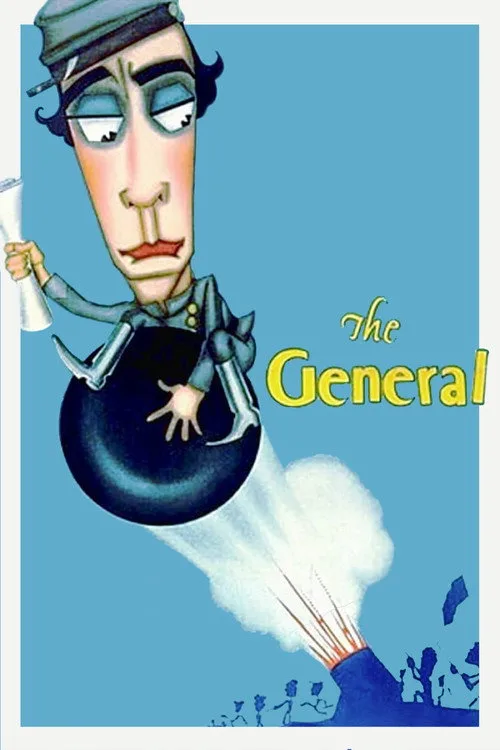
The General
Comedy, War · 1h 19m
 FeaturedSundance 2025
 Come See Me in the Good Light
Comedy, Drama · 1h 44m
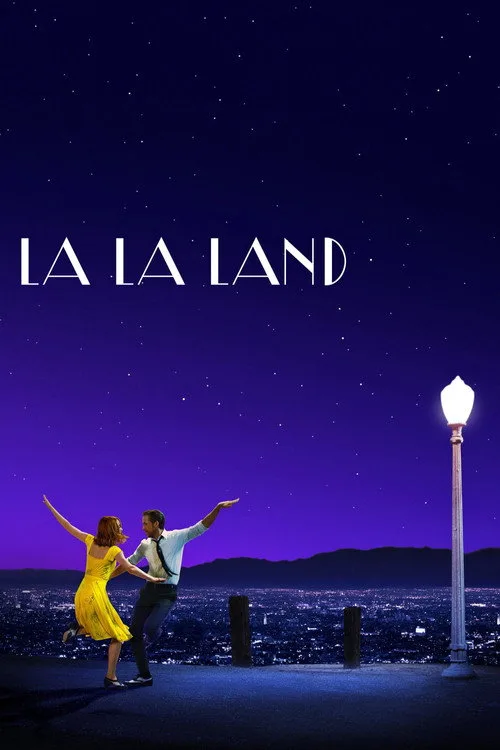 Venice 2016
 La La Land
Comedy, Drama · 2h 9m
 Cannes 2021
 The Worst Person in the World
Drama, Romance · 2h 8m
Where can I watch Amélie?
Rent: Amazon Video, Apple TV, YouTube, Fandango at Home. Buy: Amazon Video, Apple TV, Google Play, YouTube, Fandango at Home. Regional notes: BFI Player, ITVX in the United Kingdom; MUBI in Turkey; TVING in South Korea; Hulu, U-NEXT in Japan.