The Artist (2011) Review: Silence as a Love Letter
The Artist is Michel Hazanavicius's black-and-white silent film about a Hollywood star undone by talkies, a crowd-pleaser with real feeling under the pastiche.
★★★★½ 4.5/5
Yes. It is a playful, heartfelt tribute to silent cinema that works even for viewers who have never seen a silent film, and its 100 minutes pass lightly.
Is The Artist worth watching?
Yes. The Artist is a delightful and surprisingly moving film, a modern silent movie that uses the old form to tell a story about fear of change rather than simply to show off. Michel Hazanavicius recreates late-1920s Hollywood with real affection, and Jean Dujardin gives one of the most purely likeable leading performances of its decade. The small reservation is that the second half leans hard on melodrama, and viewers who find pastiche inherently limiting may admire it more than they love it.
What is The Artist about?
George Valentin (Jean Dujardin) is the biggest star in silent Hollywood, a swashbuckling matinee idol with a pencil moustache, a devoted terrier and an audience that adores him. At the premiere of one of his hits, he has a chance encounter with Peppy Miller (Bérénice Bejo), a young fan with dancing ambitions who is about to start her own climb through the studio system. Then sound arrives. The studio, run by a blustering executive played by John Goodman, sees the future in talking pictures, and George, who has built his whole identity on silence, refuses to follow.
The film tracks both careers across those years of upheaval: one star rising with the new technology, the other watching the ground give way.
The Artist is a French production directed by Michel Hazanavicius, who also wrote it. Although it is set in Hollywood, it is almost entirely silent, told through images, a full orchestral score and English intertitles, and it runs 100 minutes. It won Best Picture, Best Director and Best Actor at the Academy Awards, took Best Film and Best Director at the Césars, and Dujardin was named Best Actor at Cannes.
A gimmick that becomes the subject
The obvious question about a black-and-white silent film made in 2011 is whether it is anything more than a stunt. The Artist answers it by making silence the story. George is a man who literally cannot speak in his own film, and his refusal to adapt is written into the form: the audience experiences his world exactly as he insists it should be experienced. When the film plays with that convention, in one mischievous sequence especially, the effect is both funny and unsettling.
Hazanavicius clearly knows the period’s grammar. The boxy frame, the intertitles, the broad but precise gesture of the acting and the pacing of gags all feel studied rather than approximated. Ludovic Bource’s score does the work that dialogue normally does, swinging from jazz-age bounce to swelling romance, and the music is essential to how smoothly the film plays for audiences who have never sat through a silent feature.
Dujardin and Bejo make the style human
Without the right actors this would be an exercise. Jean Dujardin has the grin, the posture and the comic timing of a genuine silent star, but his best work comes when that confidence cracks; his face registers humiliation and pride with no words to hide behind. It is a performance that has to be big and truthful at the same time, and he manages both.
Bérénice Bejo matches him with a lighter, sparkier energy. Peppy is the future arriving with a wink, and Bejo makes her kindness as vivid as her ambition, which keeps the relationship from tipping into simple rivalry. John Goodman and James Cromwell add warm support, and the terrier, a real scene-stealer, earns some of the biggest laughs without ever being overused.
Where the melodrama takes over
The first half is nearly weightless in the best sense, all charm, sight gags and dance steps. As George’s fortunes turn, the film commits to the full-bore melodrama of the era it is honouring, and the tone becomes heavier and more predictable. That is faithful to the genre, but viewers expecting the playfulness to continue may feel the middle stretch slow down. Some of the Hollywood history is also simplified into a neat story of old versus new.
Who should watch The Artist?
It is an easy recommendation for fans of romance and old Hollywood, for anyone curious about silent cinema who wants a gentle way in, and for families with older children who might be surprised by how readily a film without dialogue holds attention. The runtime is short, the content is mild, and the darker turns in the story, which touch on despair and pride, are handled with restraint.
Two French-made follow-ups that also trust images over words:
- The Diving Bell and the Butterfly, another story of a man cut off from speech, told with remarkable visual invention.
- Portrait of a Lady on Fire, a romance conducted largely through looks, gestures and silence.
The verdict
The Artist could have been a clever novelty; instead it is a warm, generous film about pride, loyalty and the terror of becoming obsolete, carried by two performances that feel lifted straight from the era it loves. The melodrama of its second half is a small price for a film this inventive and this easy to adore.
Rating: 4.5/5
Availability is a catalogue snapshot and can change. Confirm with the provider in your region.
Where to watch The Artist
Not confirmed on major subscription platforms in our US baseline — check regional listings.
Rent: Prime Video, Amazon Video, Apple TV, Google Play, YouTube, Fandango at Home
Buy: Prime Video, Amazon Video, Apple TV, Google Play, YouTube, Fandango at Home
By region: Wavve in South Korea; U-NEXT in Japan
Full scores and availability on the movie page.
If you liked The Artist
Ranked by genre overlap and Celluloid Score. More movies like The Artist →
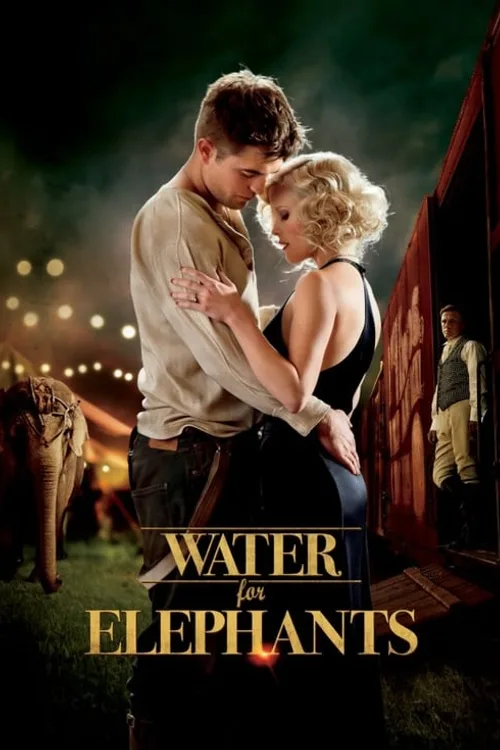
Water for Elephants
Drama, Romance · 2h 2m
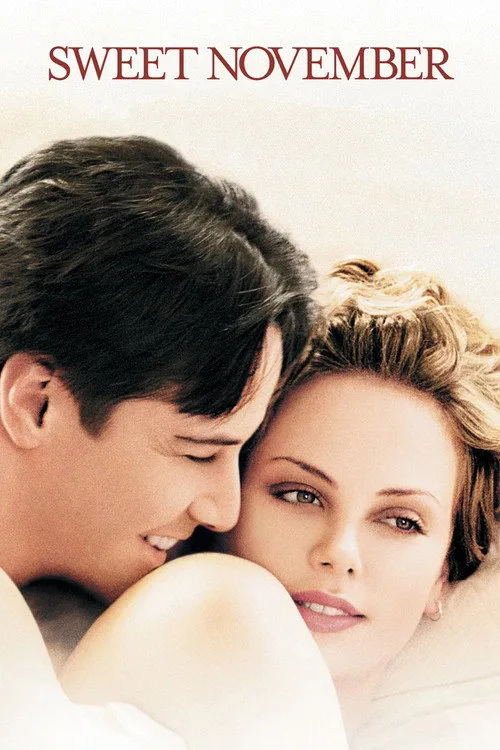
Sweet November
Drama, Romance · 1h 59m
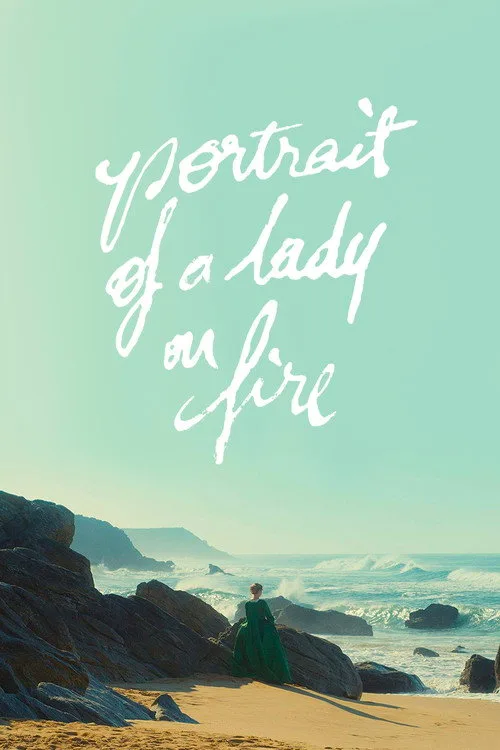 Cannes 2019
 Portrait of a Lady on Fire
Romance, Drama · 2h 2m
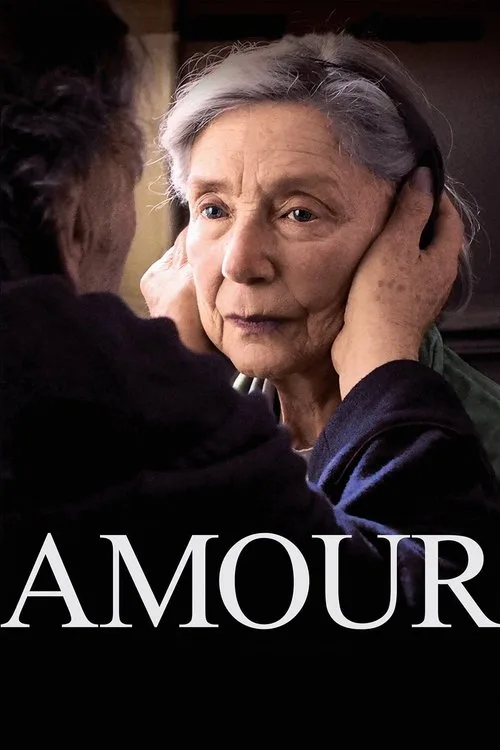 Cannes 2012
 Amour
Drama, Romance · 2h 7m
Where can I watch The Artist?
Rent: Prime Video, Amazon Video, Apple TV, Google Play, YouTube, Fandango at Home. Buy: Prime Video, Amazon Video, Apple TV, Google Play, YouTube, Fandango at Home. Regional notes: Wavve in South Korea; U-NEXT in Japan.