All We Imagine as Light (2024) Review: Mumbai in a Minor Key
Payal Kapadia's All We Imagine as Light follows three women who work at a Mumbai hospital: a tender, luminous Cannes prize-winner that asks for patience.
★★★★☆ 4/5
Yes, for patient viewers. It is a beautiful, humane portrait of loneliness and friendship in the city, though its slow, drifting rhythm will not suit everyone.
Is All We Imagine as Light worth watching?
Yes. All We Imagine as Light is a quietly radiant film about women making lives for themselves in a city that barely notices them, and one of the most accomplished Indian films of recent years. Payal Kapadia’s feeling for Mumbai at night, and for the small gestures of friendship, gives it a rare tenderness. The reservation is its pace: this is a meditative, loosely plotted film, and viewers who need narrative momentum may find it drifts, especially as it moves into a more dreamlike register later on.
What is All We Imagine as Light about?
Prabha (Kani Kusruti) is a senior nurse at a Mumbai hospital, disciplined and reserved, whose husband left to work in Germany and has all but stopped getting in touch. She shares a small flat with Anu (Divya Prabha), a younger nurse who is secretly seeing Shiaz (Hridhu Haroon), a young man her family would never accept. Their friend Parvaty (Chhaya Kadam), who cooks at the hospital, is facing eviction from the home she has lived in for years. The film follows the three of them through the monsoon season as each tries to hold on to something the city keeps threatening to take away.
All We Imagine as Light is written and directed by Kapadia, her first fiction feature. It is an Indian production, mostly in Malayalam with passages in Hindi and Marathi, and runs 115 minutes. It won the Grand Prix at Cannes in 2024, the first Indian film in the festival’s main competition in three decades, and later took Best Film at the Asian Film Awards.
A city seen from the edges
Kapadia came to fiction from documentary, and it shows in the best way. The opening minutes play over real faces on trains and street corners, with voices describing what it means to live in Mumbai, and that texture carries into the story. The city here is not a postcard. It is crowded wards, damp flats, late-night trains and rain against windows, filmed in soft blues and greens that make ordinary nights feel slightly unreal.
The film is as interested in what its characters cannot say as in what they do. Prabha’s marriage exists mainly as absence, and Kapadia finds ways to make that absence physical, through objects, unanswered calls and long stretches of silence. It is a film about loneliness that never feels cold.
Three performances in perfect balance
Kani Kusruti gives the film its centre. Her Prabha is composed to the point of rigidity, and the performance works through tiny shifts, a softening in the voice, a hesitation before answering, as she starts to let some feeling back in. Divya Prabha is her opposite: impulsive, funny and restless, and her romance with Shiaz brings the film its warmest scenes.
Chhaya Kadam is the quiet revelation. Parvaty’s fight to keep her home is the most openly political thread, touching on land, class and who gets to belong in a fast-changing city, and Kadam plays it with a dry, stubborn humour that keeps it from turning into a lesson. The friendship among the three women, across age, language and background, is the film’s real love story.
Where the drift becomes a limitation
The looseness that gives the film its atmosphere also costs it some grip. Scenes are allowed to run long, plot threads are left deliberately open, and the second half’s change of setting brings a mood closer to reverie than drama. Most viewers who stay with it will find that shift rewarding; some will feel the film has stopped telling a story just as it had them invested. The male characters, too, are sketched more thinly than the women.
Who should watch All We Imagine as Light?
It is ideal for fans of slow, observational arthouse drama and for anyone curious about Indian cinema beyond the big commercial releases. Watch it when you can give it your full attention and let its rhythm settle. There is some brief sexual content and frank talk about relationships, but nothing violent or graphic; it suits adult and older teenage audiences.
For two very different views of contemporary Indian cinema:
- Manjummel Boys, another 2024 Malayalam-language hit, as loud and propulsive as Kapadia’s film is hushed.
- Queen, a lighter, crowd-pleasing story of a woman discovering her own independence.
The verdict
All We Imagine as Light is a delicate, generous film about friendship, longing and survival in a big city, made with a documentary maker’s eye and a poet’s patience. Its drifting pace will test some viewers, but those who meet it halfway will find one of the most affecting portraits of Mumbai in years.
Rating: 4/5
Availability is a catalogue snapshot and can change. Confirm with the provider in your region.
Where to watch All We Imagine as Light
Not confirmed on major subscription platforms in our US baseline — check regional listings.
Rent: Amazon Video, Apple TV, Google Play, YouTube, Fandango at Home
Buy: Amazon Video, Apple TV, Google Play, YouTube, Fandango at Home
By region: BFI Player in the United Kingdom; KlikFilm in Indonesia; Disney+ Hotstar, Vi Movies & TV in India; TV+ in Turkey
Full scores and availability on the movie page.
If you liked All We Imagine as Light
Ranked by genre overlap and Celluloid Score. More movies like All We Imagine as Light →
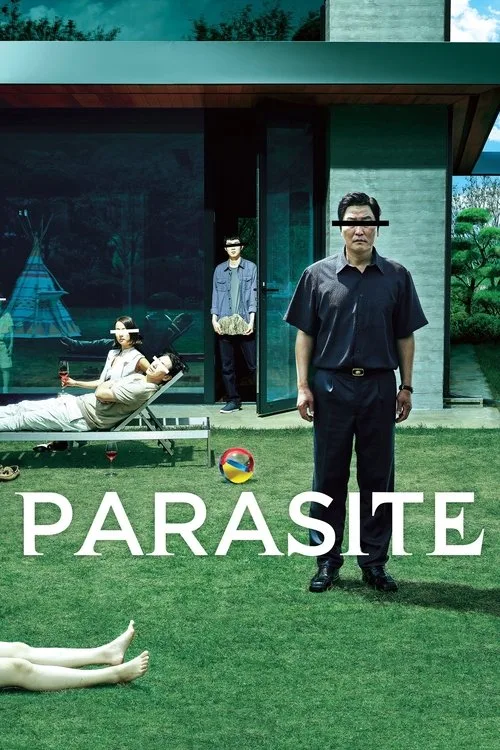 Cannes 2019
 Parasite
Thriller, Drama · 2h 12m
 Cannes 1963
 The Leopard
Drama, History · 3h 5m
 Cannes 1960
 La Dolce Vita
Drama · 2h 54m
 Cannes 2006
 Pan's Labyrinth
Fantasy, Drama · 1h 58m
Where can I watch All We Imagine as Light?
Rent: Amazon Video, Apple TV, Google Play, YouTube, Fandango at Home. Buy: Amazon Video, Apple TV, Google Play, YouTube, Fandango at Home. Regional notes: BFI Player in the United Kingdom; KlikFilm in Indonesia; Disney+ Hotstar, Vi Movies & TV in India; TV+ in Turkey.