All Quiet on the Western Front (2022) Review: No Glory Here
Edward Berger's All Quiet on the Western Front is a harrowing, Oscar-winning German take on Remarque's novel that strips the First World War of any glory.
★★★★½ 4.5/5
Yes. It is one of the most powerful war films of recent years, though its brutality is relentless. Best for viewers ready for a gruelling, serious evening.
Is All Quiet on the Western Front worth watching?
Yes. Edward Berger’s All Quiet on the Western Front is a ferocious, beautifully made anti-war film that makes the First World War feel immediate rather than historical. Its combat sequences are among the most physically overwhelming of the decade, and Felix Kammerer’s lead performance gives the carnage a human face. The main reservation is a subplot added to Erich Maria Remarque’s story that is more schematic than the trench scenes, and a relentlessness that some viewers will find punishing across nearly two and a half hours.
What is All Quiet on the Western Front about?
Paul Bäumer (Felix Kammerer) is a German schoolboy swept up in patriotic fervour, and with his classmates, among them Albert Kropp (Aaron Hilmer), he enlists to fight on the Western Front. They expect adventure and a quick march to Paris. What they find is mud, hunger, rats and an industrial kind of killing that makes a mockery of the speeches that sent them there. At the front, Paul falls in with Kat (Albrecht Schuch), an older soldier who teaches him how to stay alive.
All Quiet on the Western Front is the first German-language screen adaptation of Remarque’s 1929 novel, which Hollywood filmed in 1930. Berger directs a German production in German that runs 148 minutes. It went on to win four Academy Awards, including Best International Feature Film and Best Cinematography, as well as the BAFTA for Best Film.
An opening that tells you everything
Berger announces his argument before Paul even appears. The film’s opening sequence follows the afterlife of a soldier’s uniform, and it is a cold, brilliant piece of filmmaking about how an army turns young men into interchangeable parts. It sets the tone for all that follows: this is a war film less interested in heroism than in the machinery that consumes people.
James Friend’s Oscar-winning photography is part of that argument. The battlefields are grey and blasted, but Friend keeps returning to still, almost pastoral images of forests and fields, a reminder of the world the soldiers have lost. Volker Bertelmann’s score, built around a harsh, repeated three-note motif, lands like an alarm and is used sparingly enough to stay shocking.
Felix Kammerer and the vanishing boy
Kammerer, in his first film role, has the kind of face that registers every loss. He starts as an eager, flushed teenager and changes by degrees into someone hollowed out, and the transformation happens mostly in his eyes rather than in dialogue. It is a remarkably controlled performance for a newcomer.
Albrecht Schuch is equally strong as Kat, a gruff, funny, paternal presence whose friendship with Paul gives the film its only warmth. Their scenes together, often small moments of stolen food or shared jokes behind the lines, are what make the battle sequences hurt. The film understands that the horror of war is not spectacle alone but what it does to bonds like this one.
Where Berger departs from Remarque
The most debated choice is a new strand, absent from the novel, that follows German politician Matthias Erzberger (Daniel Brühl) as he tries to negotiate an end to the war, set against generals who refuse to accept defeat. It gives the story a clear political frame and a ticking clock, but it is also blunter and more predictable than the trench material, and it takes time away from Paul’s comrades, who remain less individual than in the book. Purists will miss the novel’s quieter episodes too, including much of Paul’s life on leave.
Who should watch All Quiet on the Western Front?
It is essential for anyone drawn to serious war films and a strong choice for viewers who have read the novel or seen older adaptations. This is not casual viewing: the combat is graphic and sustained, with close-quarters killing, severe injuries and scenes involving flamethrowers and tanks, and the tone is bleak throughout. It is best watched with full attention rather than in fragments.
For more German-language cinema about war and its costs:
- Das Boot, Wolfgang Petersen’s claustrophobic submarine epic, which shares this film’s focus on ordinary men trapped inside a war machine.
- Downfall, a harrowing account of the collapse of the Nazi leadership that, like Berger’s film, refuses to romanticise defeat.
The verdict
All Quiet on the Western Front is a modern war classic, an adaptation that honours Remarque’s fury while finding a fresh, bruising visual language for it. The added political subplot is its weakest element, but Kammerer’s performance and Berger’s unflinching staging make it one of the most affecting anti-war films of recent decades.
Rating: 4.5/5
Availability is a catalogue snapshot and can change. Confirm with the provider in your region.
Where to watch All Quiet on the Western Front
Streaming: Netflix
By region: Netflix in the United States; Netflix in the United Kingdom; Netflix in Indonesia; Netflix in India
Full scores and availability on the movie page.
If you liked All Quiet on the Western Front
Ranked by genre overlap and Celluloid Score. More movies like All Quiet on the Western Front →
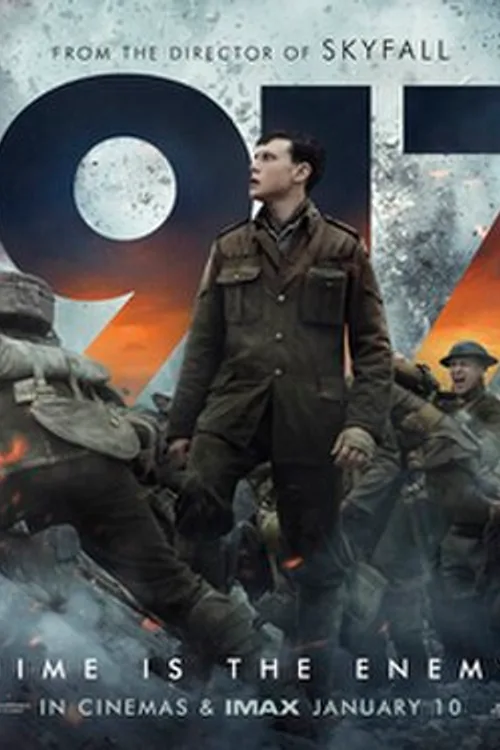 BFI London 2019
 1917
War, Drama · 1h 59m
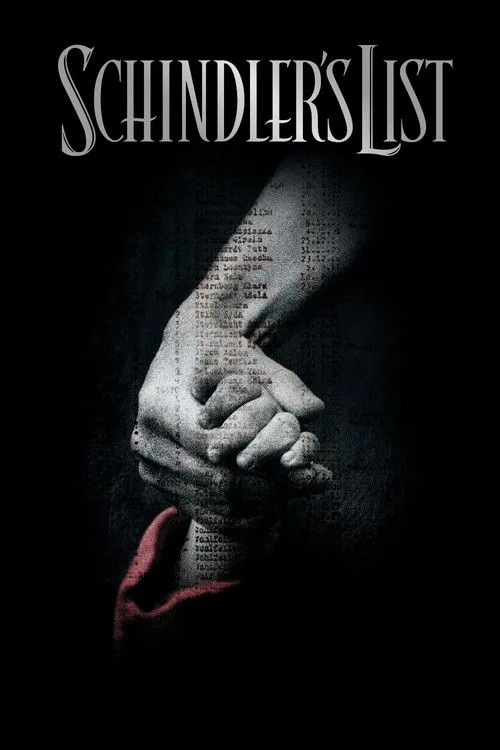 Featured
 Schindler's List
Drama, History · 3h 15m
 FeaturedSundance 2024
 Ghostlight
Horror, Drama · 1h 55m
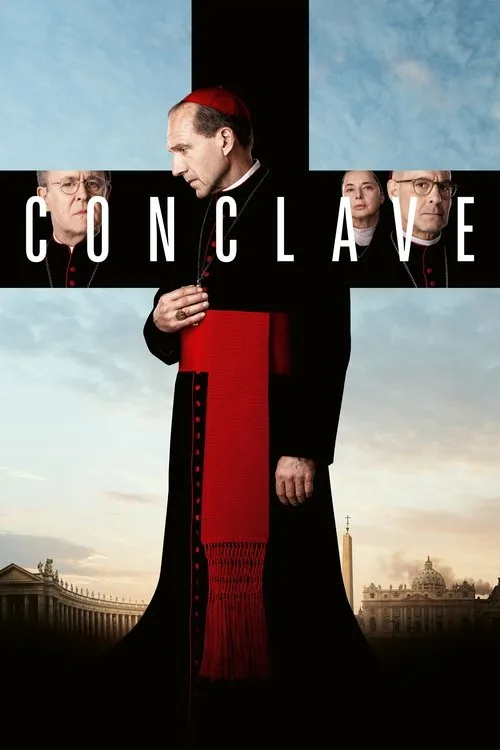
Conclave
Drama, Thriller · 2h 0m
Where can I watch All Quiet on the Western Front?
Streaming: Netflix. Regional notes: Netflix in the United States; Netflix in the United Kingdom; Netflix in Indonesia; Netflix in India.