Akira (1988) Review: Neo-Tokyo Still Burns Brightest
Akira is Katsuhiro Otomo's cyberpunk anime landmark about bikers, psychic power and a city on the brink, and its hand-drawn spectacle is still breathtaking.
★★★★½ 4.5/5
Yes. It is one of the most important animated films ever made and a thrilling ride, ideal for science fiction fans who can handle graphic violence and a dense, rushed plot.
Is Akira worth watching?
Yes. Akira is a landmark of animation and science fiction, a furious, dazzling vision of a city tearing itself apart, and nearly four decades later its images still look astonishing. Katsuhiro Otomo turns his own manga into a film of relentless energy, full of motorcycle chases, political conspiracy and body-horror spectacle. The reservation is its story: compressed from a much longer comic, the plot races through ideas and characters, and its second half can leave first-time viewers struggling to keep up.
What is Akira about?
In 2019, three decades after a catastrophic explosion destroyed Tokyo and triggered a world war, the rebuilt megacity of Neo-Tokyo is a place of neon towers, riots, terrorist bombings and heavy-handed military control. Shotaro Kaneda (voiced by Mitsuo Iwata) is the brash leader of a teenage biker gang, and his childhood friend Tetsuo (Nozomu Sasaki) rides with him, tired of living in Kaneda’s shadow.
One night, a road crash brings Tetsuo into contact with a strange child who has escaped a secret government project. Tetsuo is taken away by the military and begins to develop terrifying psychic abilities. Kaneda, searching for his friend, falls in with Kei (Mami Koyama), a member of an underground resistance, and discovers that the government is hiding something called Akira.
Akira is directed by Otomo and adapted from his manga. It is a Japanese animated film in Japanese, running 124 minutes.
Hand-drawn chaos, drawn with precision
The film’s visual achievement is extraordinary. Every frame is hand-drawn with a density of detail that makes Neo-Tokyo feel like a real, decaying metropolis: streets packed with traffic, crumbling buildings and neon signs reflected in rain. The motorcycle sequences, with their streaking tail lights and fluid movement, remain some of the most imitated images in animation, and Kaneda’s red bike has become an icon.
The action is staged with a kinetic sense of speed and weight, and the destruction sequences have a physical force that makes the city’s collapse feel real. The dialogue was recorded before the animation, allowing unusually precise lip movements and giving performances a naturalism rare in anime of the period.
A soundtrack like no other
Geinoh Yamashirodan’s score is as distinctive as the images. Built on percussion, chanting and traditional Japanese and Indonesian influences, it gives the film a primal, ritual energy that heightens both the chases and the mystical scenes. It sounds unlike any other science fiction soundtrack and plays a huge part in the film’s lasting power.
The voice cast is strong too. Mitsuo Iwata captures Kaneda’s swagger and loyalty, and Nozomu Sasaki makes Tetsuo’s resentment and growing instability both frightening and pitiable. Their friendship, strained by jealousy and power, is the emotional thread running through the chaos.
A manga squeezed into two hours
Otomo was adapting a manga still in progress, and the film has to condense a vast, complex narrative into two hours. As a result, political factions, secret projects and supporting characters appear and disappear quickly, and some motivations remain unclear. The climax is overwhelming in scale but can feel more like sensory overload than a satisfying conclusion. Viewers familiar with the manga will notice how much is left out; newcomers may simply feel lost.
Who should watch Akira?
It is essential for fans of animation, cyberpunk and science fiction, and anyone interested in how anime shaped global pop culture. At just over two hours, it moves at breakneck speed. It contains graphic violence, gore, body horror and some sexual violence, making it strictly for adults and older teenagers.
Where to go next:
- Princess Mononoke, another epic Japanese animated film that combines stunning action with serious themes of destruction and power.
- Grave of the Fireflies, released the same year, a very different and deeply moving animated film about the scars of war.
The verdict
Akira is a monumental achievement in animation, a breathtaking and brutal vision of a future city on the edge of apocalypse. Its compressed story can be confusing, but its visual brilliance, iconic score and raw energy make it essential viewing for anyone who cares about science fiction or animation.
Rating: 4.5/5
Availability is a catalogue snapshot and can change. Confirm with the provider in your region.
Where to watch Akira
Streaming: Crunchyroll
Rent: Amazon Video, Apple TV, Fandango at Home
Buy: Amazon Video, Apple TV, Fandango at Home
By region: Crunchyroll in the United States; Netflix, Disney+ in the United Kingdom; Netflix, TVING in South Korea; Netflix, Hulu, U-NEXT in Japan
Full scores and availability on the movie page.
If you liked Akira
Ranked by genre overlap and Celluloid Score. More movies like Akira →
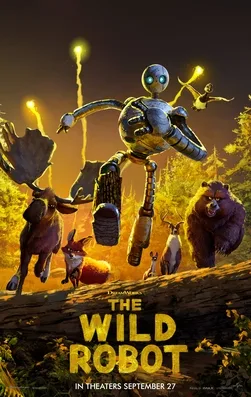 TIFF 2024
 The Wild Robot
Sci-Fi, Animation · 1h 42m
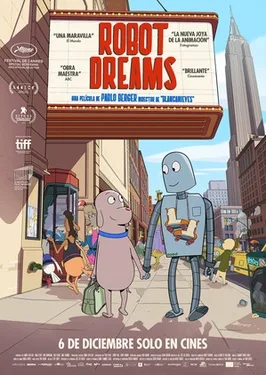 Cannes 2023
 Robot Dreams
Sci-Fi, Animation · 1h 42m
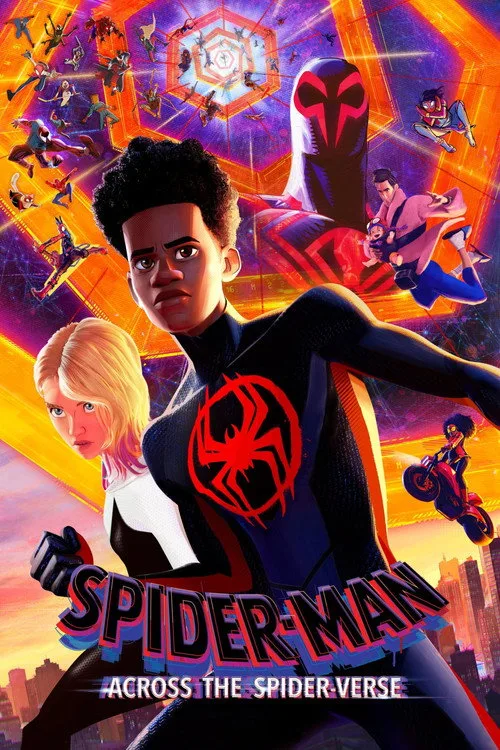
Spider-Man: Across the Spider-Verse
Animation, Action · 2h 20m
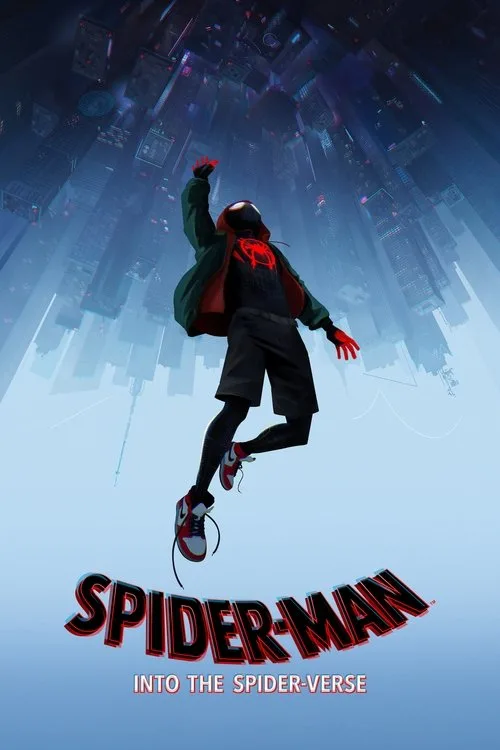
Spider-Man: Into the Spider-Verse
Animation, Action · 1h 57m
Where can I watch Akira?
Streaming: Crunchyroll. Rent: Amazon Video, Apple TV, Fandango at Home. Buy: Amazon Video, Apple TV, Fandango at Home. Regional notes: Crunchyroll in the United States; Netflix, Disney+ in the United Kingdom; Netflix, TVING in South Korea; Netflix, Hulu, U-NEXT in Japan.