A Different Man Review: A Face Is Not a Self
Aaron Schimberg's A Different Man gives Sebastian Stan a cure for his facial difference and then hands the life he wanted to another man who never sought it — a slippery, wickedly ironic fable about identity, envy and the lie of transformation.
★★★★☆ 4/5
A squirmy, funny and unexpectedly profound identity puzzle, elevated by a superb double act. One of the year's most original films.
The wish granted, then mocked
Schimberg’s premise is a cruel joke played with total control: a man with neurofibromatosis takes an experimental cure, emerges conventionally handsome, and watches another man with his old condition effortlessly claim the confidence, the love, the life he’d assumed his face denied him. The film is a fable about the lie at the heart of the makeover fantasy — that the problem was ever the face rather than the self.
Irony as structure
The screenplay is built like a trap, folding back on itself with a meta-textual mischief that recalls Charlie Kaufman. A play-within-the-film, an actor cast to play the protagonist’s former self, a reality that keeps slipping — Schimberg uses these devices not for cleverness alone but to dramatize how thoroughly his hero has misdiagnosed his own unhappiness. The transformation solves nothing because it was never the disease.
Stan and Pearson
Sebastian Stan plays the “cured” man as a study in seething inadequacy, all the confidence he expected curdling into resentment. Opposite him, Adam Pearson — an actor with the condition Stan’s character sheds — is a revelation: charismatic, easy, wholly himself, a living rebuke to the fantasy the film dismantles. Their contrast is the whole argument.
Discomfort with a purpose
The film is deliberately uneasy, mining awkwardness and vanity for a comedy that keeps turning philosophical. It withholds catharsis, leaving its hero and its audience to sit with the recognition that the self we blame our unhappiness on is rarely the culprit.
Verdict
A Different Man is a sly, original and quietly devastating fable — a comedy of envy and identity that lingers far longer than it has any right to. Distinctive, intelligent filmmaking.
Availability is a catalogue snapshot and can change. Confirm with the provider in your region.
Where to watch A Different Man
Not confirmed on major subscription platforms in our US baseline — check regional listings.
Rent: Amazon Video, Apple TV, Google Play, YouTube, Fandango at Home, Spectrum On Demand
Buy: Amazon Video, Apple TV, Google Play, YouTube, Fandango at Home
By region: Netflix in India; Prime Video in Turkey; Netflix in South Korea; Netflix, Prime Video, U-NEXT in Japan
Full scores and availability on the movie page.
If you liked A Different Man
Ranked by genre overlap and Celluloid Score. More movies like A Different Man →
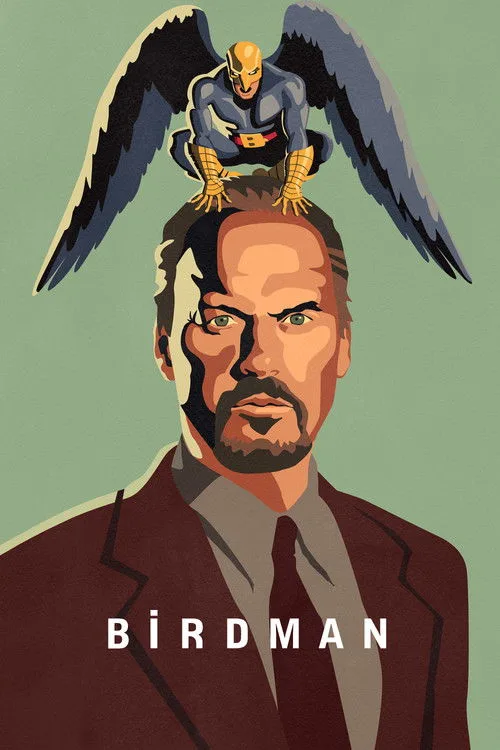
Birdman
Drama, Comedy · 2h 0m
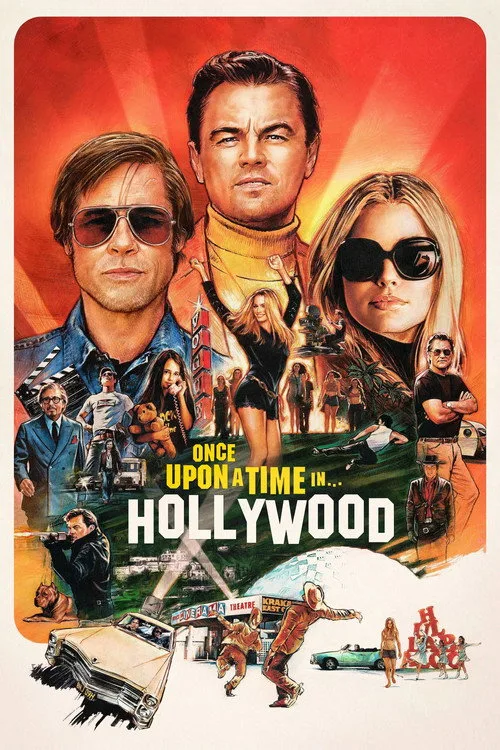 Cannes 2019
 Once Upon a Time... in Hollywood
Comedy, Drama · 2h 42m
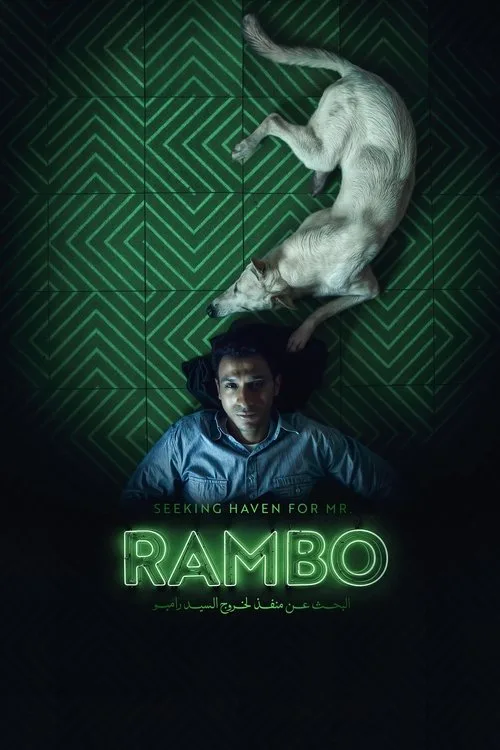 FeaturedBalinale 2025
 Seeking Haven for Mr. Rambo
Thriller, Drama · 1h 45m

Om Shanti Om
Comedy, Thriller · 2h 49m
Rent: Amazon Video, Apple TV, Google Play, YouTube, Fandango at Home, Spectrum On Demand. Buy: Amazon Video, Apple TV, Google Play, YouTube, Fandango at Home. Regional notes: Netflix in India; Prime Video in Turkey; Netflix in South Korea; Netflix, Prime Video, U-NEXT in Japan.