28 Years Later (2025) Reviews: What Critics Said
Critics largely welcomed 28 Years Later as a bold, strange and often moving return for Danny Boyle and Alex Garland, though several found its lurching tone and sequel-minded ending uneven.
Most critics say yes: 28 Years Later is a daring, visually inventive horror film anchored by Alfie Williams, though its tonal swerves and open ending divided some. This is a roundup of published reviews; Celluloid has not rated it.
Editorial note: This is a roundup of published criticism of 28 Years Later. Celluloid has not screened the film for this piece, and it carries no Celluloid rating. The critics are named and linked under Sources.
Is 28 Years Later worth watching?
Most critics say yes: Danny Boyle and Alex Garland’s return to the world of the Rage virus was widely praised as a bolder, stranger and more reflective film than a routine horror sequel. Reviewers admired its restless visual style, its coming-of-age story and the young lead, Alfie Williams. The recurring reservations concern a tone that swerves sharply from scene to scene, a second half that loosens its grip, and an ending built to set up the next instalment.
What is 28 Years Later about?
Twenty-eight years after the Rage virus outbreak, a heavily defended island community survives, linked to the mainland by a single causeway. When one of its members crosses into the mainland, he discovers secrets, wonders and horrors that have changed not only the infected but other survivors too. Danny Boyle directed from a screenplay by Alex Garland, the pair who made 28 Days Later. Aaron Taylor-Johnson plays Jamie, Alfie Williams his son Spike, Jodie Comer plays Isla and Ralph Fiennes plays Dr Kelson, with Jack O’Connell also in the cast. The film was released in 2025 and runs 115 minutes. Release details and where to watch are on the 28 Years Later film page.
What critics praised
Writing for Variety, Peter Debruge argued that the film stands comfortably on its own merits rather than leaning on the original. He admired Boyle’s boundary-pushing approach and the decision to shoot largely on iPhones, which he felt preserves the unsettling home-video edge of the 2002 film while giving it far greater visual clarity. Debruge was most struck by the film’s seriousness: in his reading it looks squarely at the fear of death and the fear of the other, and offers something closer to enlightenment than a simple adrenaline rush.
In Empire, Ben Travis called it brave, uncompromising work from both filmmakers at full strength. He found the first half phenomenal as pure horror, singled out Alfie Williams as an outstanding new talent, described Jodie Comer as brilliant, and thought the Young Fathers score astonishing. He also valued the film’s interest in British identity, isolation and myth-making.
William Bibbiani of TheWrap admired the film’s earthy, folkloric look, which he likened to a Robin Hood legend, and praised the cinematography of Anthony Dod Mantle and Jon Harris’s expressionistic editing. What impressed him most was how mature and pensive the film is beneath the violence, and Boyle’s willingness to abandon genre conventions for sudden changes of direction.
At The A.V. Club, Jacob Oller saw an adventure that mixes real dread with a sense of wonder, and considered the world-building its biggest success. He particularly enjoyed Ralph Fiennes, whose scenes he found livelier and more fully drawn than much of what surrounds them, and liked the way the film moves from jittery thriller to something closer to pastoral elegy.
Where critics were divided
Amy Nicholson of the Los Angeles Times was the most sceptical. She found the central plot dull, propped up by unusual ambition, quirky side characters and frantic editing, and described the film as tonally ungainly, lurching between philosophy, violence, pathos and comedy. She also felt Spike is written as too blank to convince. Even so, she thought Fiennes worth the wait and felt Jack O’Connell’s late arrival generates real excitement for the sequel, though she suspected the filmmakers were rationing their best material.
Other reviewers raised narrower points. Oller found the script lopsided, saving too much for future sequels at the expense of its characters, and thought some of the new lore leans too heavily on video-game conventions. Travis felt the second half grips less tightly than the first, noted a few moments of weak CGI, and predicted the ending would divide audiences. Bibbiani conceded that the film does not reinvent the zombie genre and admitted he was unsure where the planned follow-ups would lead.
Who is it for?
The film suits viewers who want horror with ideas and are comfortable with abrupt shifts between brutality, grief and dark comedy. It is rated R in the US and 15 in the UK, with strong gore throughout. Those hoping for a straightforward survival thriller may find it too unconventional, and anyone who dislikes cliffhangers should know it is the first part of a planned trilogy continued in 28 Years Later: The Bone Temple.
The critical verdict
Most of the critics here regard 28 Years Later as an ambitious, visually daring sequel that earns its place beside the original, with Alfie Williams and Ralph Fiennes widely praised. The strongest dissent, from Nicholson, is that its tonal lurches and thin central story undercut the ambition. Several others shared milder doubts about the second half and the sequel-minded ending. On balance, reviewers found far more to admire than to regret.
Sources & further reading
This article compares the named critics below. It is not the author’s personal review; any confirmed personal rating is shown separately on the film page.
Availability is a catalogue snapshot and can change. Confirm with the provider in your region.
Where to watch 28 Years Later
Streaming: Netflix
Rent: Amazon Video, Apple TV, Google Play, YouTube, Fandango at Home
Buy: Amazon Video, Apple TV, Google Play, YouTube, Fandango at Home
By region: Netflix in the United States; Sky Cinema in the United Kingdom; Netflix in Indonesia; Netflix in South Korea
Full scores and availability on the movie page.
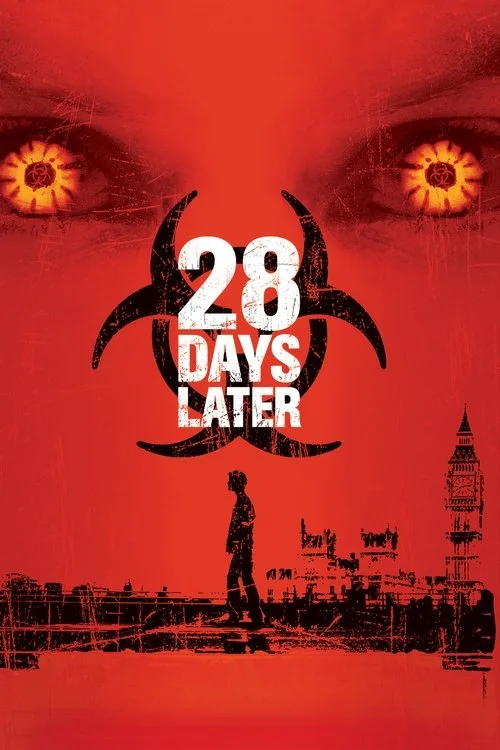
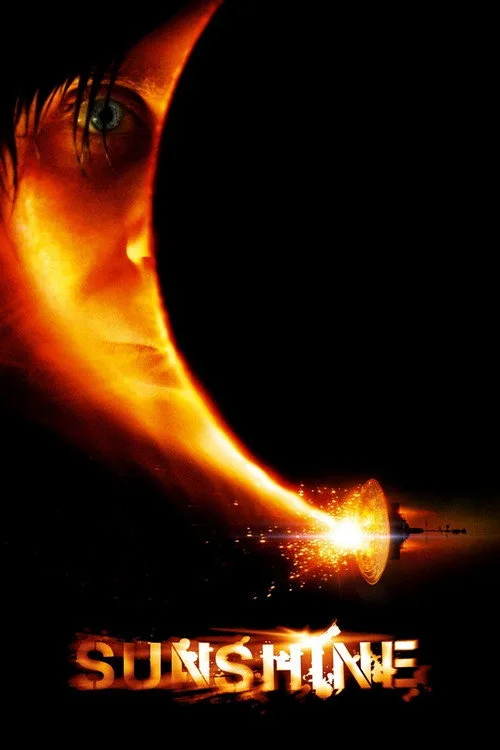
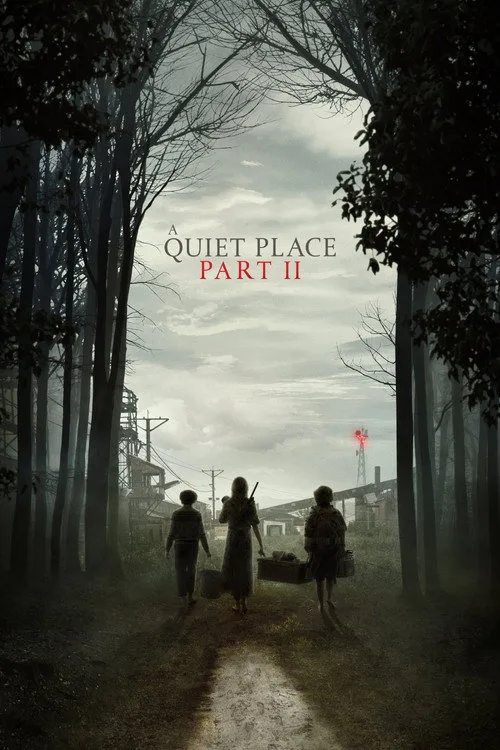
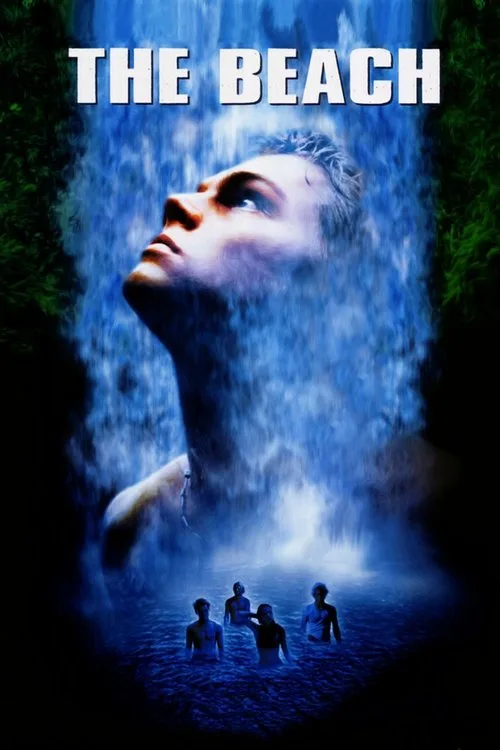
If you liked 28 Years Later
Ranked by genre overlap and Celluloid Score.
Where can I watch 28 Years Later?
Streaming: Netflix. Rent: Amazon Video, Apple TV, Google Play, YouTube, Fandango at Home. Buy: Amazon Video, Apple TV, Google Play, YouTube, Fandango at Home. Regional notes: Netflix in the United States; Sky Cinema in the United Kingdom; Netflix in Indonesia; Netflix in South Korea.