Severance Ending Explained: Innies, Outies, and What the Finale Is Really About
Spoiler guide to Apple TV+’s Severance — what the season finales mean for Mark, Helly, and Lumon, why the show refuses tidy answers, and how Celluloid scores the series as essential TV.
Spoilers ahead
This guide reveals major plot points. Reveal when you are ready.
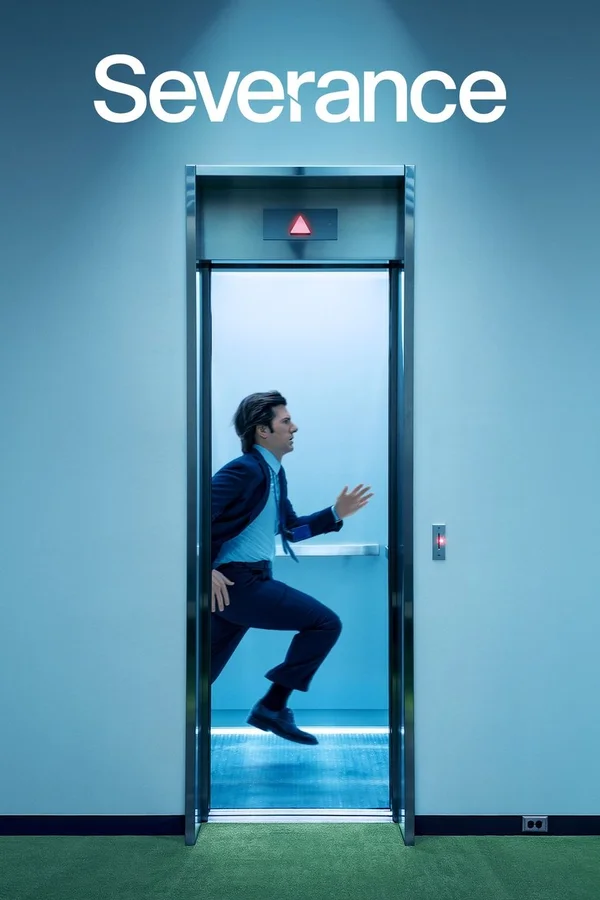
Spoilers for Severance through the latest aired season. Apple TV+’s workplace nightmare is designed to be argued about; this guide explains the finale logic without pretending the show wants a single cheat-sheet answer.
What is the ending of Severance actually doing?
It refuses to treat the central conceit as a puzzle to “solve.” The surgical split between “innie” and “outie” selves is a metaphysical premise, not a treasure map. Season finales push characters — especially Mark Scout (Adam Scott) and Helly R. (Britt Lower) — into choices about solidarity, memory, and whether a self that only exists at work can consent to anything. Lumon’s rituals (waffle parties, wellness, the Board) keep expanding as theology, not as HR. If you walked away angry that a plot thread stayed open, that irritation is partly the point: the show is about incomplete people, not complete lore.
What happens to Mark and Helly?
Their bond is the moral engine. Across seasons, the innies discover that intimacy and rebellion are the same grammar — you cannot love a person while treating them as a temporary employee of a body. Finales typically force Mark to confront what his outie has been grieving or hiding, and Helly to confront what her outie’s power means for everyone trapped on the severed floor. Exact episode beats shift by season; the thematic landing does not: Lumon wants compliance, and the characters keep inventing disobedience that looks like care.
Why does Severance withhold answers?
Because answers would flatter the corporation. A show that fully explained every goat, chip, and hallway would become a Wikipedia page with better lighting. Dan Erickson and Ben Stiller’s direction keep architecture and performance ahead of exposition dumps. The finale grammar — long corridors, abrupt cuts between innie panic and outie numbness — tells you more than a monologue about the Board ever could. Celluloid’s review calls this “formally radical” for a reason: the ending style matches the theme.
Is Severance worth watching if finales frustrate you?
Yes, if you want questions with teeth. Our TV Score places Severance among the essential streaming dramas precisely because it withholds the comfort other mystery boxes sell. Watch for Scott’s double performance, Lower’s radicalization, and Tramell Tillman’s smile-as-weapon — not for a Reddit flowchart. If you need a clean “who is the villain” label, Lumon is the villain; everything else is weather.
How should I watch before the next season?
Start at season one without spoilers, then reread this. Use the show page for the Quick Answer and four-input score. Pair with our Best TV Shows to Stream guide if you are building a weekend queue. For film-side corporate dread in a different key, browse genres for Thriller and Drama picks scored the same transparent way.
Films featured in this piece
More in Ending Explained · All guides