The 30 Best Martial Arts Movies
30 films, chosen and ordered by the Celluloid desk.
Ranked on choreography, influence and how well the fighting carries the story — not on plot. Wire-fu and ground-level brawling both qualify; a film only had to change what came after it. Where two entries do the same job, the one that did it first wins.
The highest-ranked title is Police Story with a 84% Celluloid Score (Recommended). 30 titles are ranked from four possible rating inputs.
-
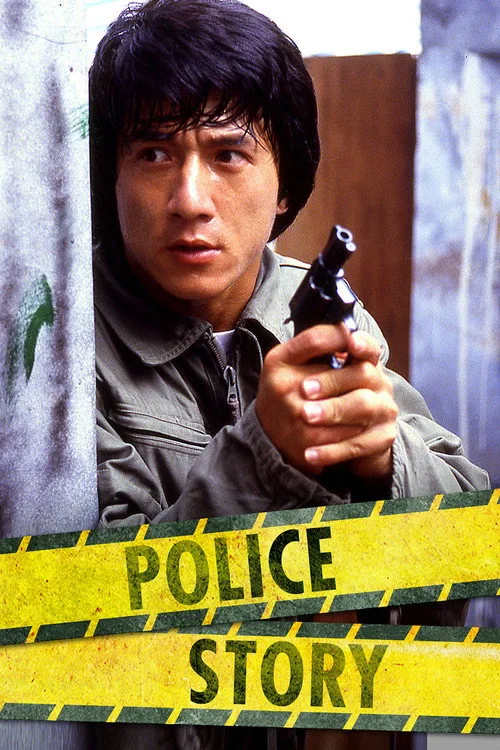
Police Story
Jackie Chan’s own pick of his filmography, and the one where the stunts stopped being stunts. The mall slide down live electrical lights burned his hands and dislocated his pelvis; it is still in the film, in one take.
-
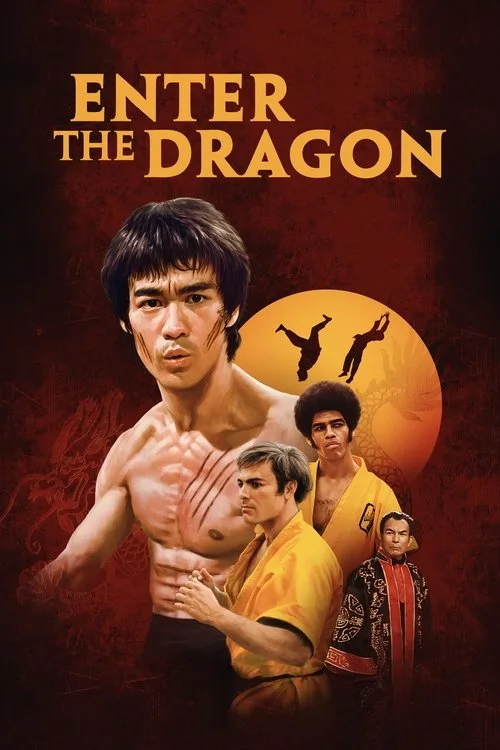
Enter the Dragon
The film that carried kung fu out of Hong Kong. Bruce Lee died six days before its premiere, which means the genre’s biggest global moment and its biggest loss arrived in the same week.
-
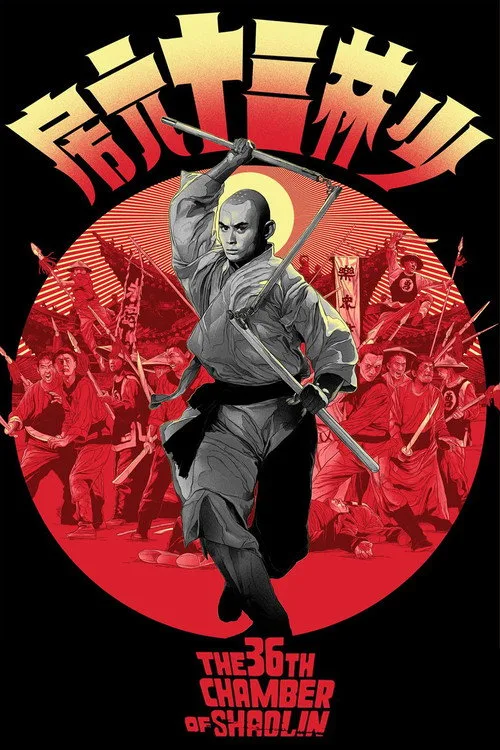
The 36th Chamber of Shaolin
The definitive training film. Every montage of a hero earning their skill for the next fifty years is downstream of Gordon Liu working through those chambers.
-
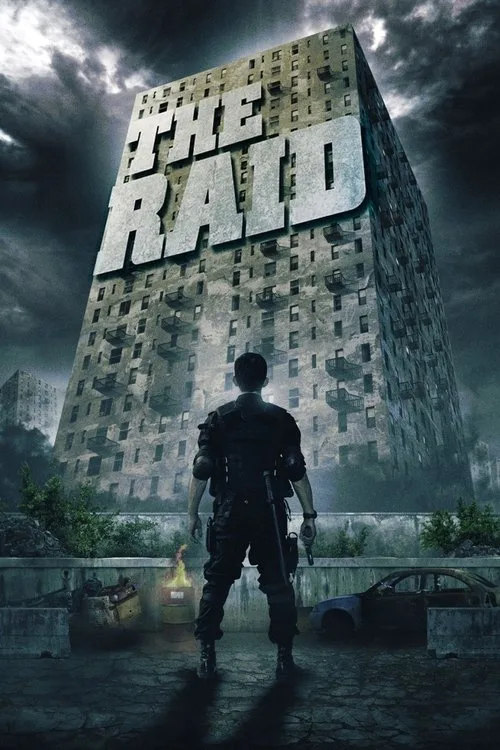
The Raid
One building, one stairwell at a time. Gareth Evans and Iko Uwais rebuilt action for a generation that had grown tired of cutting away from the hit.
-
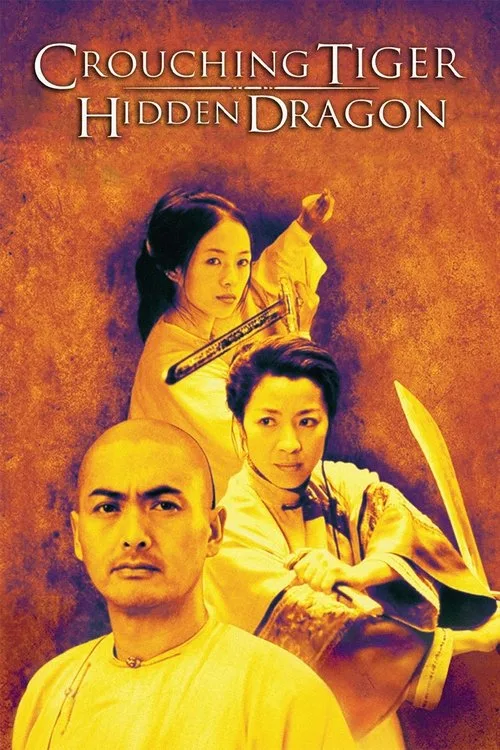
Crouching Tiger, Hidden Dragon
Ang Lee made wuxia legible to the world without flattening it. The bamboo-forest duel is the most beautiful fight ever staged, and Zhang Ziyi is the reason it holds.
-
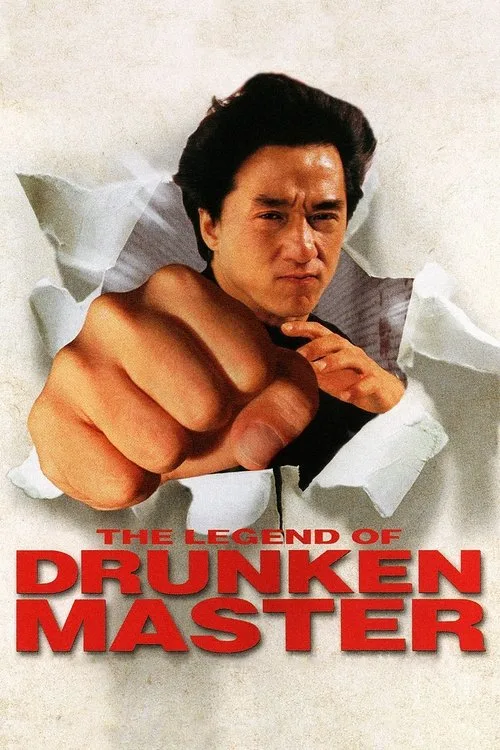
The Legend of Drunken Master
The last twenty minutes — Chan against Ken Lo in a steel mill — is the most sustained hand-to-hand sequence anyone has filmed. Nothing on this list is denser per second.
-
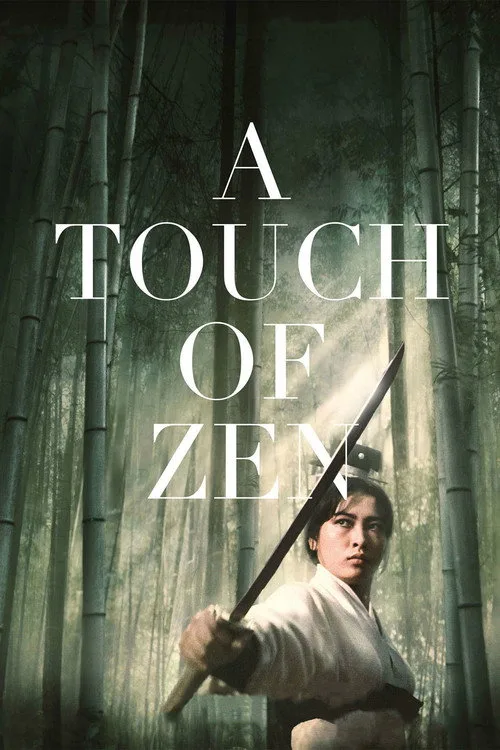
A Touch of Zen
King Hu’s three-hour wuxia builds to a bamboo ambush and then dissolves into pure light. The one film here that arthouse programmers and fight nerds both claim.
-
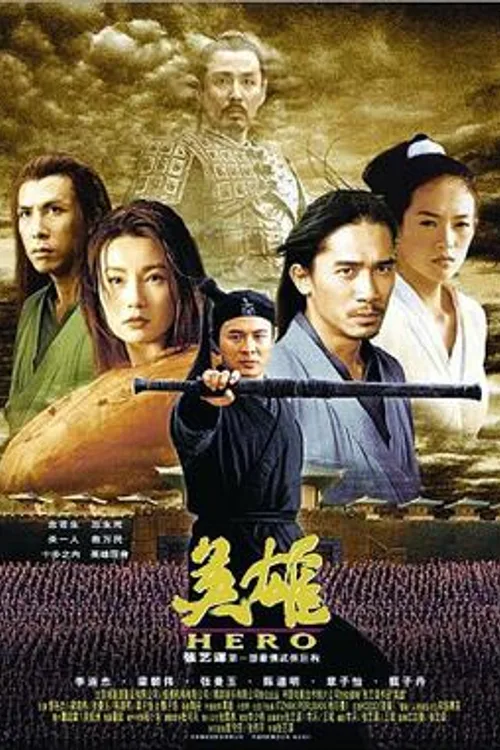
Hero
Zhang Yimou tells the same duel four times in four colours. Style as argument rather than decoration, and the reason wuxia got a second global life.
-
Ip Man
Donnie Yen’s Wing Chun is all economy — no flourish, no wasted motion. The ten-black-belts scene turned a regional star into a franchise.
-
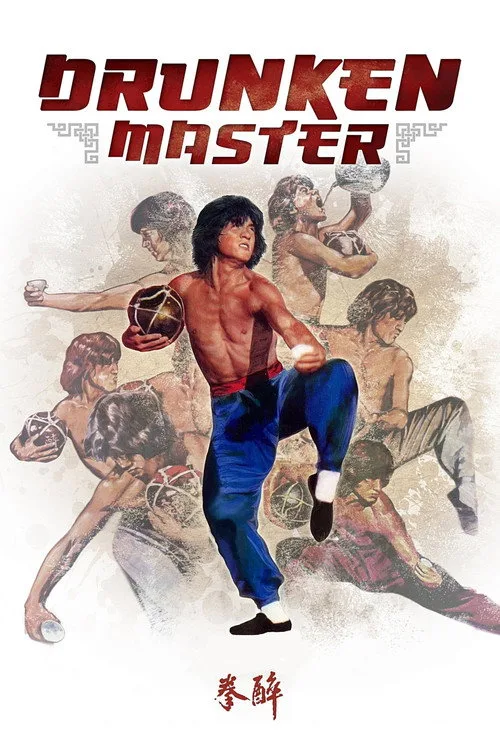
Drunken Master
Where Jackie Chan stopped trying to be the next Bruce Lee and became the first Jackie Chan: kung fu as slapstick, pain as punchline.
-
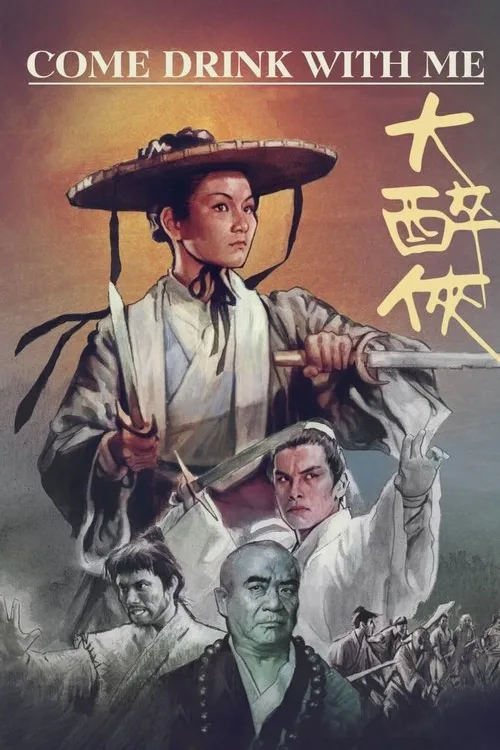
Come Drink with Me
Cheng Pei-pei’s Golden Swallow made the swordswoman a lead rather than an ornament. Everything Crouching Tiger did, this did first.
-
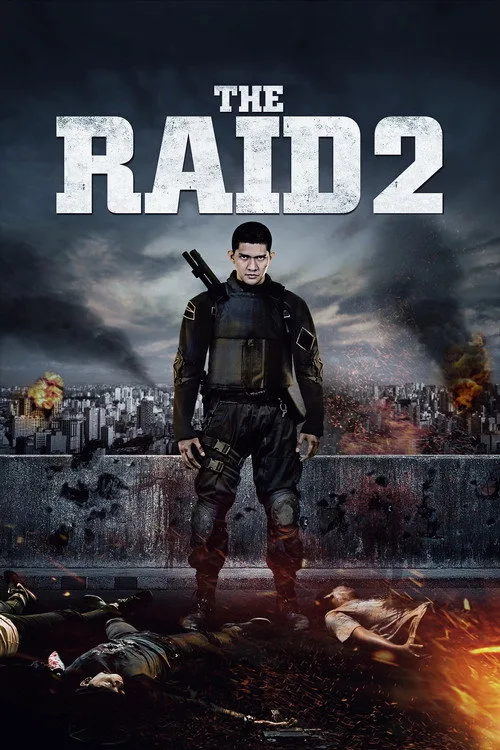
The Raid 2
Bigger, longer, and structurally messier than the original — but the kitchen fight and the car chase are two of the best set pieces of the century.
-
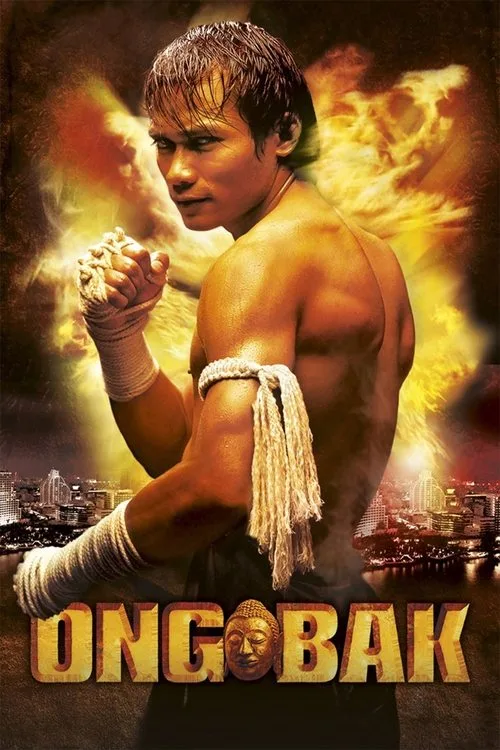
Ong-Bak
No wires, no doubles, no CGI, stated on screen as a challenge. Tony Jaa spent four years training for it and it shows in every knee strike.
-
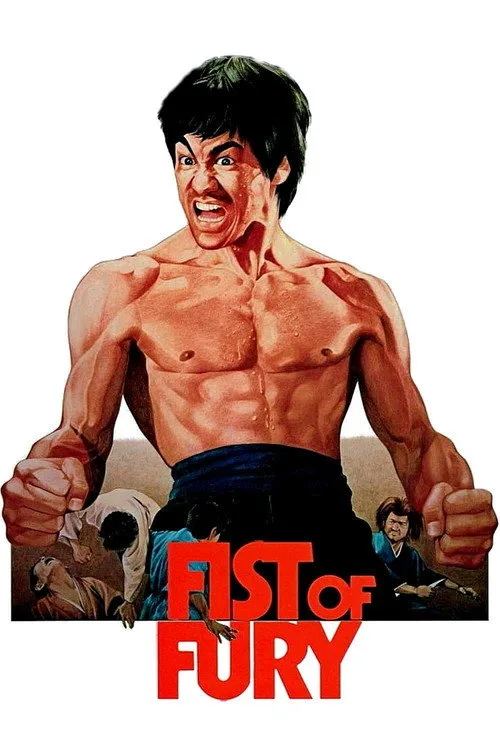
Fist of Fury
Lee walks into a Japanese dojo and dismantles a national insult along with everyone in the room. The angriest film he made, and the most political.
-
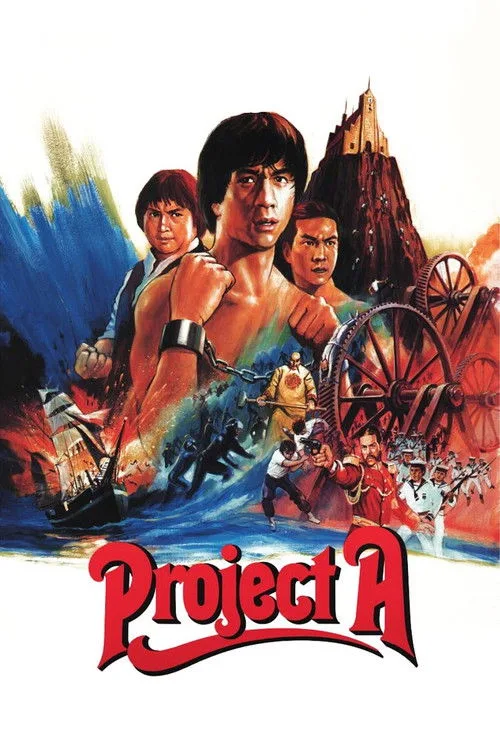
Project A
Chan, Sammo Hung and Yuen Biao at full power. The clocktower fall was shot three times because the first two were not painful enough to keep.
-
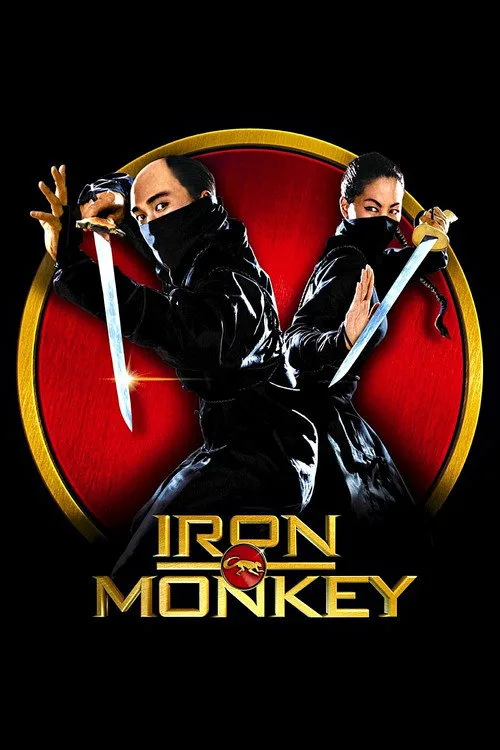
Iron Monkey
Yuen Woo-ping’s cleanest work as a director — the pole fight over burning stakes is choreography as pure engineering.
-
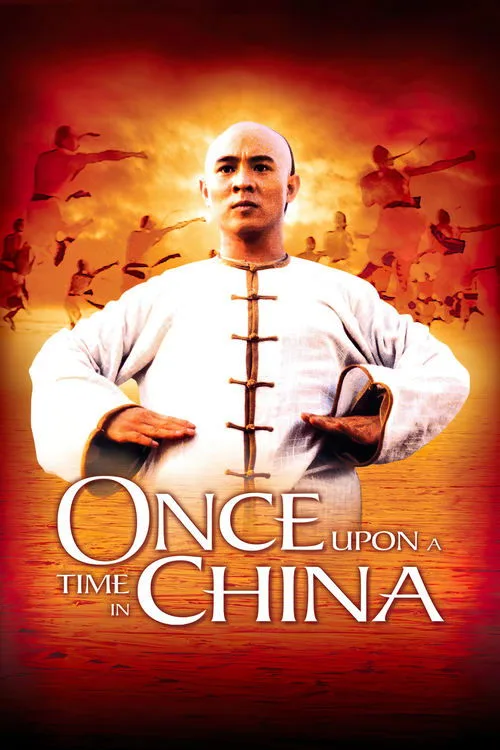
Once Upon a Time in China
Tsui Hark rebuilt Wong Fei-hung as a national symbol and gave Jet Li the ladder fight, still the best use of a prop in the genre.
-
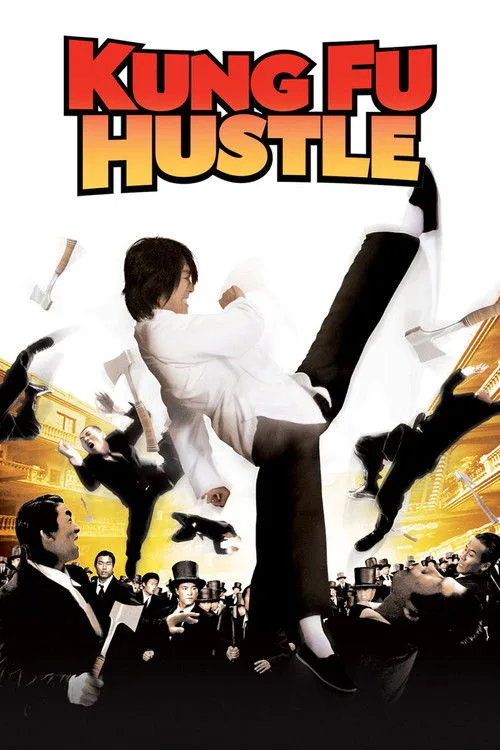
Kung Fu Hustle
Stephen Chow turns kung fu into cartoon physics and then, in the final act, plays it completely straight. Both halves work.
-
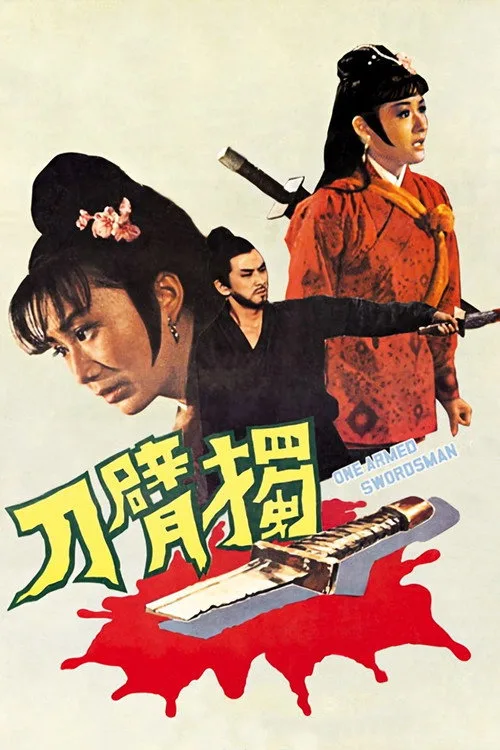
The One-Armed Swordsman
Chang Cheh’s bloody swordplay reset Shaw Brothers overnight and made the wounded, self-made hero the genre’s default.
-
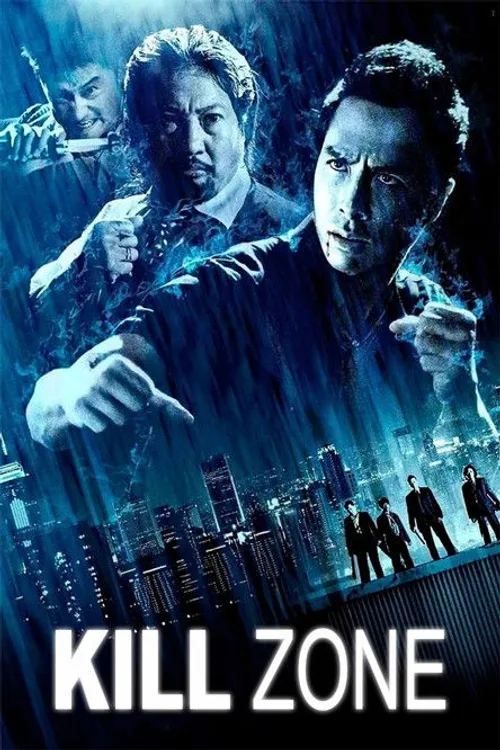
SPL: Kill Zone
Donnie Yen versus Wu Jing in an alley — baton against knife, twenty seconds, no music. The fight that dragged Hong Kong action into its modern register.
-
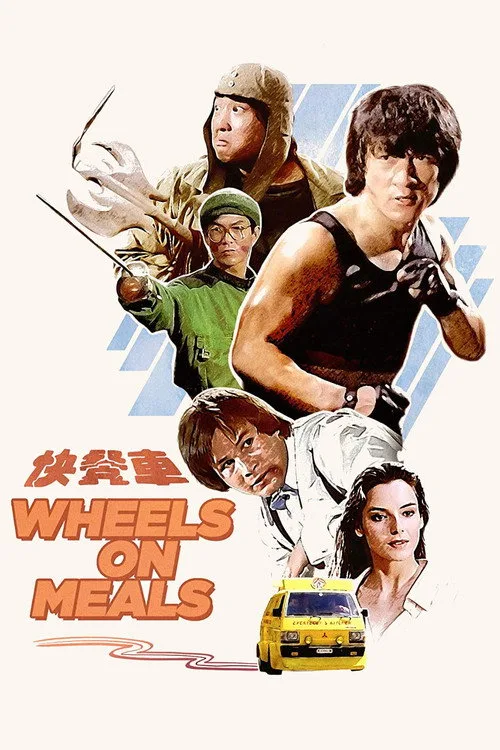
Wheels on Meals
The plot is a Barcelona farce. It exists so Jackie Chan can fight Benny Urquidez, and that fight is as clean as the form gets.
-
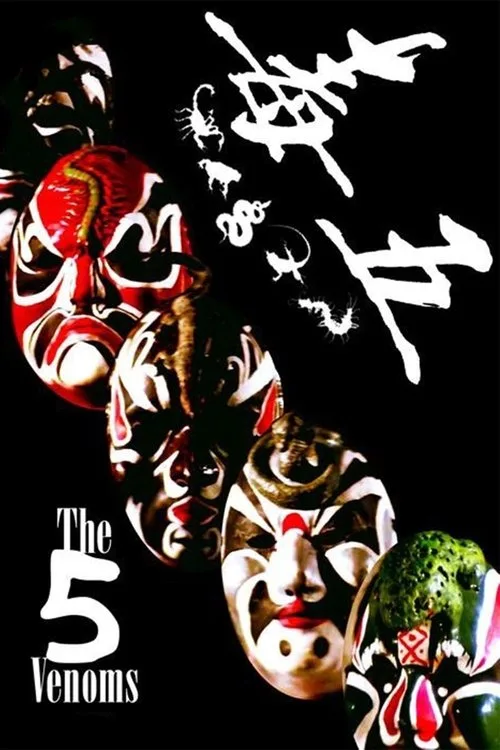
The Five Venoms
Five styles, five suspects, one mystery structure the genre almost never attempted. Shaw Brothers at its most gleefully schematic.
-
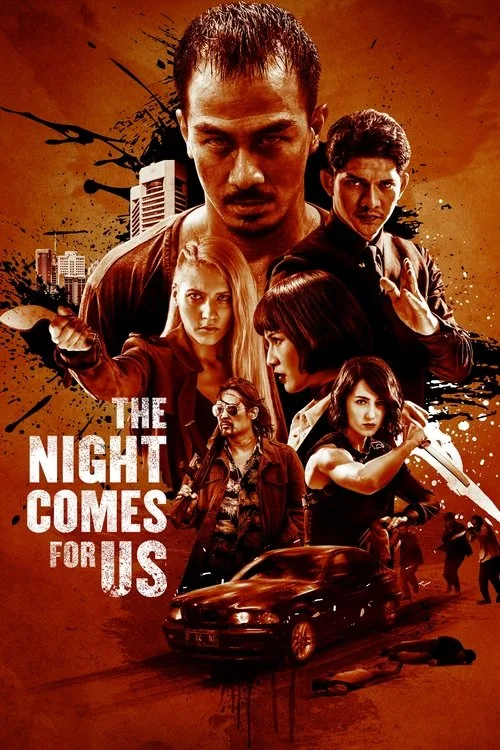
The Night Comes For Us
Timo Tjahjanto’s butcher-shop epic. The most extreme thing on this list by some distance, and superbly choreographed under all that viscera.
-
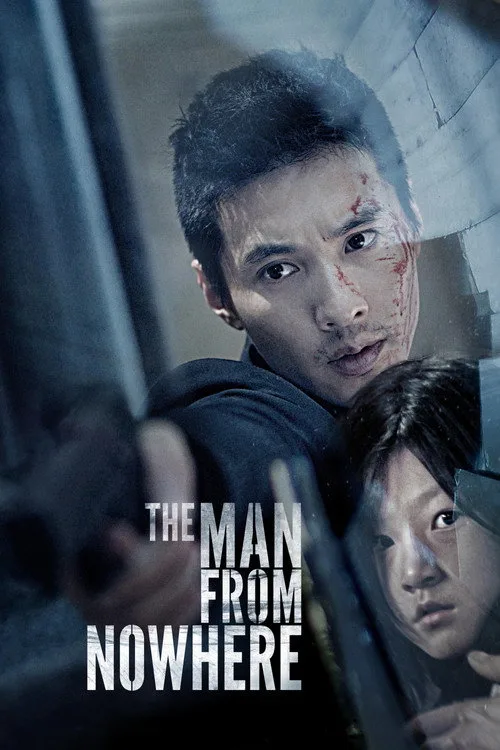
The Man from Nowhere
Korea’s answer to Léon, with a knife fight in the final act that reset the country’s action choreography for a decade.
-
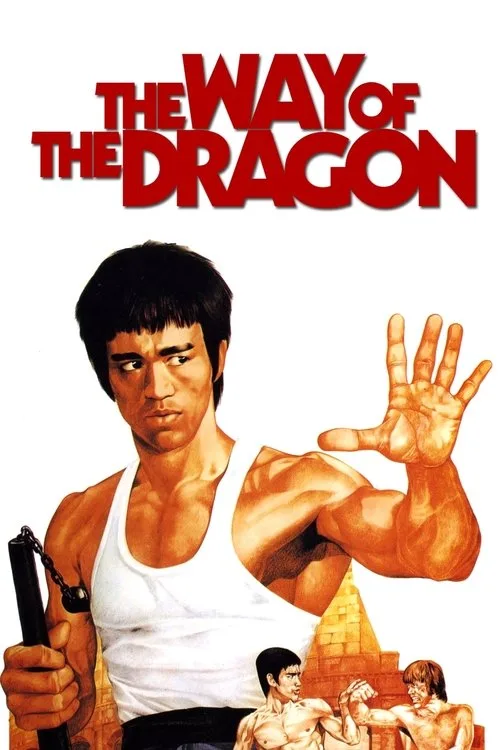
The Way of the Dragon
Lee wrote it, directed it, and built the whole thing around one fight with Chuck Norris in the Colosseum. Still the best one-on-one in the genre.
-
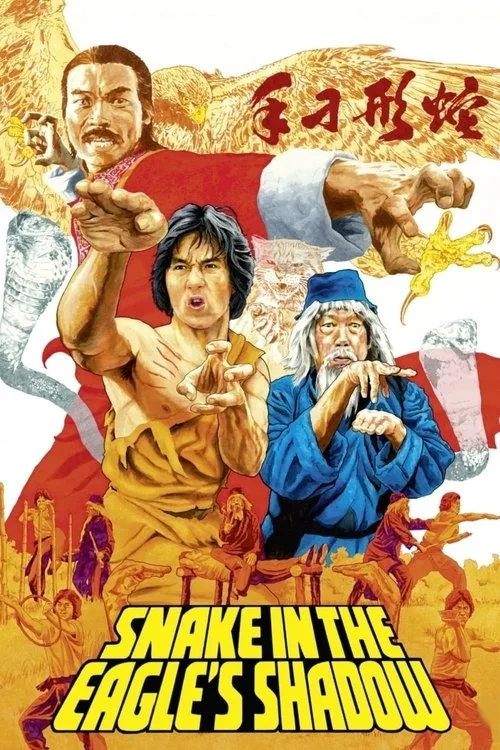
Snake in the Eagle's Shadow
The Yuen Woo-ping and Jackie Chan pairing that invented kung-fu comedy a few months before Drunken Master perfected it.
-
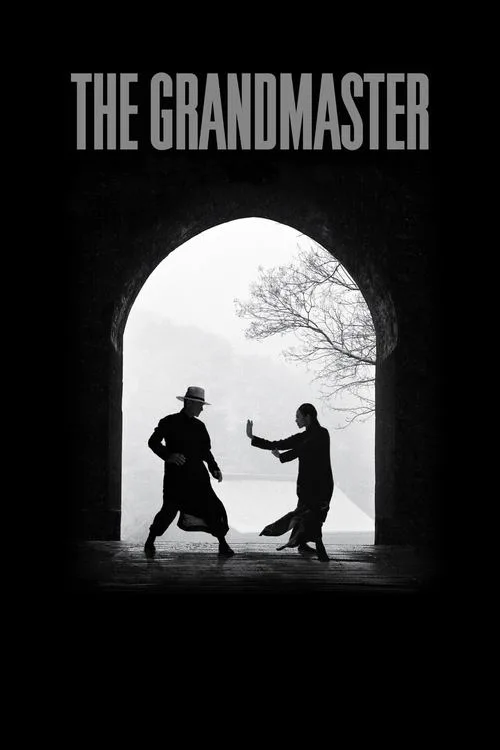
The Grandmaster
Wong Kar-wai films Ip Man as weather and memory. Divisive as a fight film, unarguable as a piece of cinema, and Zhang Ziyi walks off with it.
-
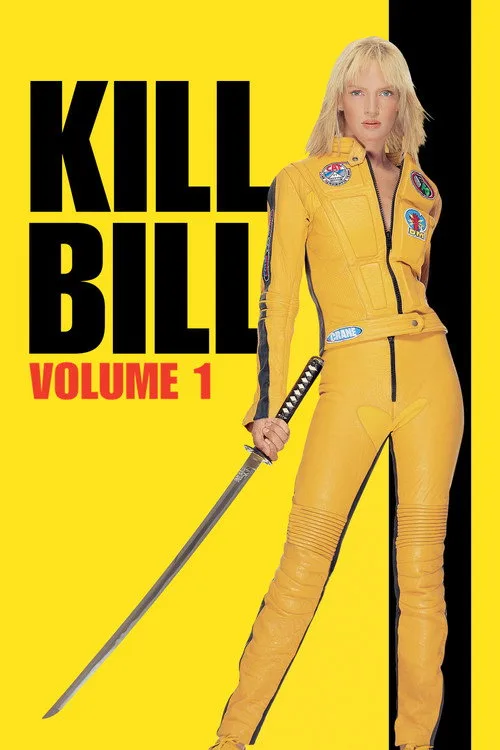
Kill Bill: Vol. 1
Tarantino’s love letter, made with Yuen Woo-ping choreographing and half the Shaw Brothers catalogue in its bloodstream. The House of Blue Leaves earns its place.
-
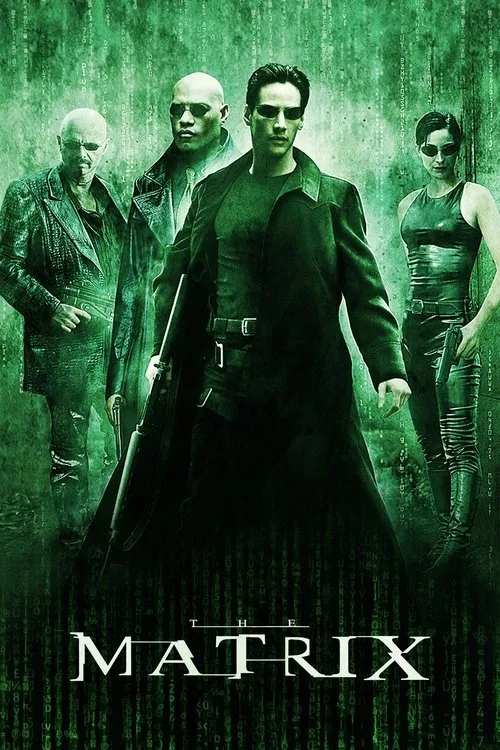
The Matrix
The Wachowskis flew Yuen Woo-ping to Australia and made every Hollywood actor train for four months. Western action never went back.
-
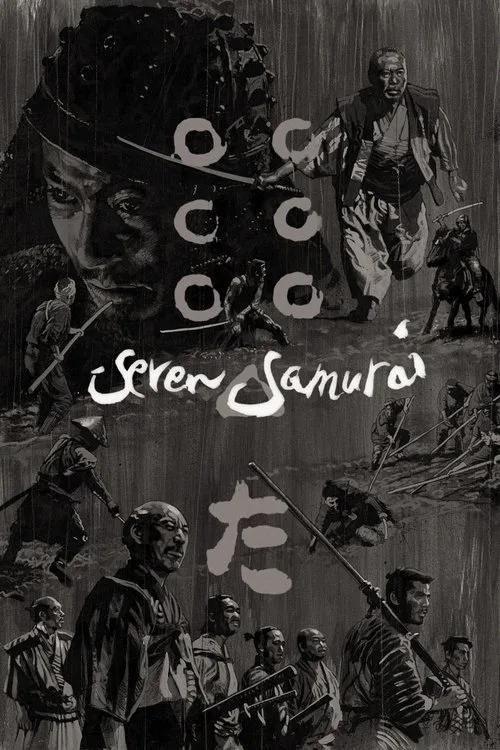
Seven Samurai
Not a martial arts film in the Hong Kong sense, and on the list anyway — the structure of the assembled team, the training, and the final battle is the blueprint everything here builds on.