The Crime of Father Amaro (2002) Review: Sin in the Sacristy
The Crime of Father Amaro stars Gael García Bernal as a young priest drawn into desire and corruption in a Mexican parish, a provocative, gripping melodrama.
★★★★☆ 4/5
Yes, with reservations. It is a gripping, provocative drama led by Gael García Bernal, best for adults who can take its blunt critique of the Church and its melodrama.
Is The Crime of Father Amaro worth watching?
Yes, with reservations. The Crime of Father Amaro is a gripping and genuinely provocative drama about a young priest’s moral slide, and Gael García Bernal makes it far more unsettling than a simple scandal story. Carlos Carrera’s film is handsomely made and unafraid of its subject, confronting hypocrisy inside the Catholic Church with real anger. The reservations are its melodrama, which sometimes overwhelms the subtler character study, and a crowded set of subplots that are drawn in broader strokes than the central story.
What is The Crime of Father Amaro about?
Father Amaro (Gael García Bernal) is a newly ordained priest, young, intelligent and ambitious, sent to a small-town parish in Mexico to learn under an older priest, Father Benito (Sancho Gracia). Amaro arrives full of idealism, but he quickly discovers that the parish runs on compromises: political deals, questionable sources of money and personal relationships that everyone knows about and no one mentions. He also meets Amelia (Ana Claudia Talancón), a devout teenage girl from the parish, and the attraction between them sets the story on a dangerous course.
The Crime of Father Amaro was directed by Carlos Carrera, adapting the 19th-century Portuguese novel by Eça de Queirós to contemporary Mexico. It is a Mexican production in Spanish, running 118 minutes. It won the Ariel for Best Picture, Mexico’s top film prize, and was nominated for the Academy Award for Best Foreign Language Film.
Gael García Bernal’s quiet corruption
The film’s strongest asset is its lead. Bernal, fresh from his breakthrough in Mexico’s new wave, plays Amaro not as a villain but as a young man who believes he is good. His charm and sincerity are real, which is what makes his compromises so disturbing: each step he takes is small and self-justified, and the audience watches him learn to lie to others and to himself. Bernal lets the ambition show through the gentleness, so that Amaro’s piety and his desire for advancement seem to come from the same place.
Ana Claudia Talancón gives Amelia a fervent, trusting quality that makes her vulnerability painfully clear. The film does not present their relationship as a romance to be celebrated, and it is at its most powerful when it shows the imbalance of power between a priest and a girl who has been taught to revere him.
A parish built on compromise
Carrera’s broader target is an institution that protects itself at every turn. Sancho Gracia’s Father Benito is a vivid portrait of a worldly, pragmatic clergyman, genuinely devoted to his community projects yet deeply compromised in how he funds them. The film’s depiction of church politics, from backroom arrangements to the pressure on priests who side with the poor, is pointed and often uncomfortable.
Visually, the film has a warm, grounded feel. The small town, with its heat, dust and crowded plaza, is rendered with detail, and the church interiors contrast candlelit solemnity with the sordid dealings taking place behind them.
Where the melodrama takes over
The film’s ambitions sometimes work against it. There are several subplots, involving local power brokers, the press and a priest working in the countryside, and they are handled more schematically than the central story. As tensions rise, the film shifts from patient character study toward heightened melodrama, and some of its later developments are underlined so heavily that they lose subtlety.
Still, the anger feels earned, and the controversy the film provoked in Mexico on release shows how close to the nerve it struck.
Who should watch The Crime of Father Amaro?
It is a strong choice for viewers interested in Mexican cinema, religious and moral drama, and the early career of Gael García Bernal. It is strictly for adults: the film contains sexual content, including a relationship between a priest and a teenager, along with violence and themes that many religious viewers will find confronting. At under two hours, it moves briskly.
For more from the same era of Mexican filmmaking:
- Y Tu Mamá También, Alfonso Cuarón’s road movie that also stars Bernal and shares this film’s frankness about desire.
- Amores Perros, the intense ensemble drama that made Bernal an international name.
- Like Water for Chocolate, a warmer, more magical story of forbidden love.
The verdict
The Crime of Father Amaro is a bold, absorbing drama about ambition, desire and institutional hypocrisy, anchored by a quietly chilling Gael García Bernal. Its melodrama and crowded subplots keep it from greatness, but its moral force and the intelligence of its central performance still make it compelling.
Rating: 4/5
Availability is a catalogue snapshot and can change. Confirm with the provider in your region.
Where to watch The Crime of Father Amaro
Streaming: Prime Video
Rent: Amazon Video, Apple TV, Google Play, YouTube, Fandango at Home
Buy: Amazon Video, Apple TV, Google Play, YouTube, Fandango at Home
By region: Prime Video in the United States
Full scores and availability on the movie page.
If you liked The Crime of Father Amaro
Ranked by genre overlap and Celluloid Score. More movies like The Crime of Father Amaro →
 Cannes 2000
 Amores Perros
Drama, Thriller · 2h 34m
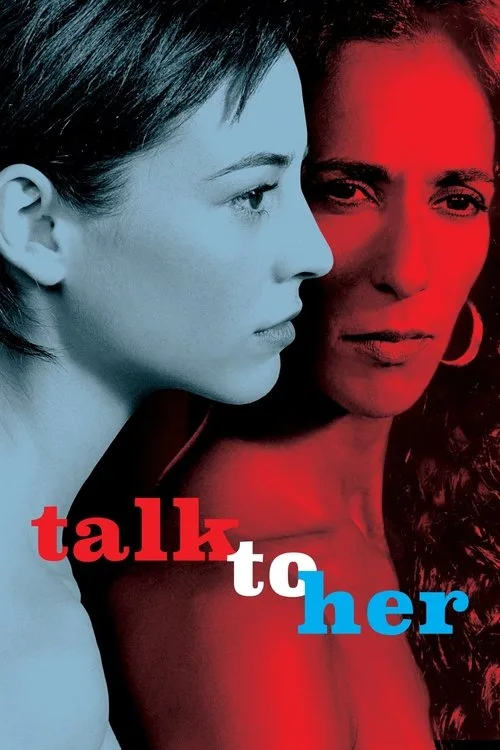 San Sebastián 2002
 Talk to Her
Drama, Romance · 1h 52m
 Morelia 2010
 Like Water for Chocolate
Romance, Drama · 1h 45m
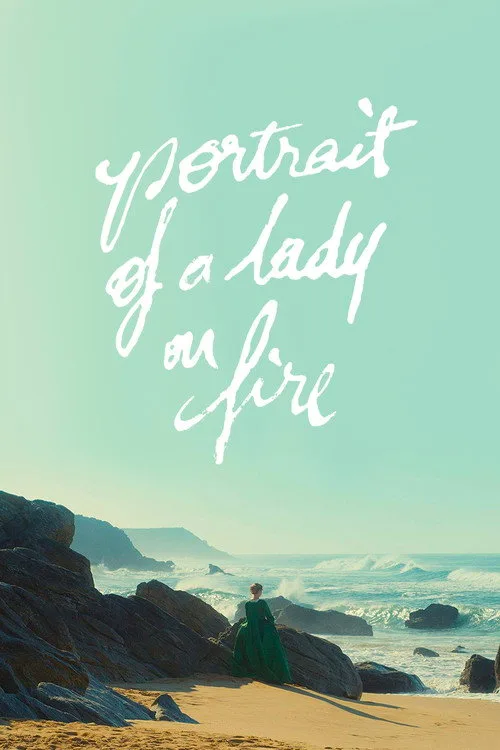 Cannes 2019
 Portrait of a Lady on Fire
Romance, Drama · 2h 2m
Where can I watch The Crime of Father Amaro?
Streaming: Prime Video. Rent: Amazon Video, Apple TV, Google Play, YouTube, Fandango at Home. Buy: Amazon Video, Apple TV, Google Play, YouTube, Fandango at Home. Regional notes: Prime Video in the United States.