The Chaser (2008) Review: A Race Against Indifference
The Chaser is Na Hong-jin's ferocious Seoul serial-killer thriller, in which a disgraced ex-cop races a city's indifference as much as the killer himself.
★★★★☆ 4/5
Yes. It is one of the most gripping Korean thrillers ever made, but its brutality is relentless; for viewers who can handle graphic violence and bleak material.
Is The Chaser worth watching?
Yes. The Chaser is a ferocious, superbly controlled thriller and one of the key films of the modern Korean crime wave, though it is punishing to sit through. Na Hong-jin’s debut feature turns a manhunt through Seoul into a desperate race against time, and Kim Yun-seok and Ha Jung-woo give two of the most memorable performances in the genre. The reservations are its relentless brutality, which some viewers will find hard to bear, and satire of the police and city officials that occasionally tips into broad caricature.
What is The Chaser about?
Eom Joong-ho (Kim Yun-seok) is a former detective who now runs a small operation of call girls in Seoul, and he is losing money: several of his women have disappeared without paying off their debts. Assuming they have been sold on, he goes looking for them and notices a pattern: each vanished after meeting the same client. That client has just called again, and Joong-ho has already sent another woman, Mi-jin (Seo Young-hee), who is ill and has a young daughter at home.
What follows unfolds over a very short stretch of time, as Joong-ho hunts through the city’s back streets while the institutions that should help him prove slow, distracted and self-interested. The film is not a whodunit; the audience knows who the killer is almost from the start, and the tension comes from whether anyone can act in time.
The Chaser was written and directed by Na Hong-jin. It is a South Korean production in Korean, it runs 125 minutes, and it was loosely inspired by a real serial-murder case in Seoul. A young Kim Yoo-jung appears in an early role as Mi-jin’s daughter.
Two performances that drive the chase
Kim Yun-seok’s Joong-ho is a remarkable anti-hero. He is crude, greedy and violent, initially motivated by money rather than conscience, and the film never pretends otherwise. What makes him compelling is watching his irritation curdle into dread and then into something close to guilt. Kim plays it with physical exhaustion, running, bleeding and shouting through the night until his desperation becomes the film’s own rhythm.
Ha Jung-woo is chilling in a very different way. His killer is soft-spoken, awkward and almost bland, a man whose ordinariness makes him more frightening than any theatrical villain. Ha avoids every obvious psychopath mannerism, and the calm of his performance makes his scenes the most tense in the film. The two actors reunited for Na’s next film, and it is easy to see why he wanted them back.
Na Hong-jin’s control of time and space
For a first feature, The Chaser is extraordinarily assured. Na uses Seoul’s narrow hillside alleys, rain-slicked streets and dim interiors to create a sense of a city that is both crowded and uncaring, where a woman can disappear a few streets from help. The foot chases are raw and physical, shot with a handheld urgency that keeps the audience close to the characters’ panic.
The structure is equally clever. By revealing the killer early, the film shifts suspense from mystery to process, and every delay, bureaucratic error and wrong turn becomes excruciating. Na is ruthless about denying the audience easy relief, and that refusal is part of why the film still feels so tense.
Where the satire and brutality overwhelm
The film’s portrait of police incompetence and political image management is pointed, but some of it is played as broad farce, and the comic beats sit awkwardly beside such grim material. The violence, when it comes, is graphic and prolonged, and the film’s focus on the suffering of women, while never glamorised, will be too much for some viewers.
These are not flaws of craft so much as choices of temperament. The Chaser is designed to be hard to watch, and it succeeds.
Who should watch The Chaser?
It is essential for fans of Korean thrillers and serial-killer cinema, and for viewers interested in the directors who shaped modern Korean genre filmmaking. It is strictly for adults: expect graphic violence, strong language and extremely bleak themes. At just over two hours, it moves with little pause.
If you can handle its intensity, three related titles:
- The Man from Nowhere, another dark Korean thriller built around a lone man’s desperate search.
- Oldboy, Park Chan-wook’s more operatic and stylised study of obsession and violence.
- HOPE, a far later and larger genre film from Na Hong-jin.
The verdict
The Chaser is a brutal, brilliantly made thriller that turns a single night in Seoul into a portrait of desperation and institutional failure. Its violence and occasional broad satire make it hard going, but Kim Yun-seok, Ha Jung-woo and Na Hong-jin’s formidable control make it one of the defining Korean crime films of its era.
Rating: 4/5
Availability is a catalogue snapshot and can change. Confirm with the provider in your region.
Where to watch The Chaser
Streaming: AMC+, Sundance Now
Rent: Apple TV, Google Play, YouTube, Fandango at Home
Buy: Apple TV, Google Play, YouTube, Fandango at Home
By region: AMC+, Sundance Now in the United States; Prime Video, Shudder in the United Kingdom; Prime Video in India; Netflix in South Korea
Full scores and availability on the movie page.
If you liked The Chaser
Ranked by genre overlap and Celluloid Score. More movies like The Chaser →
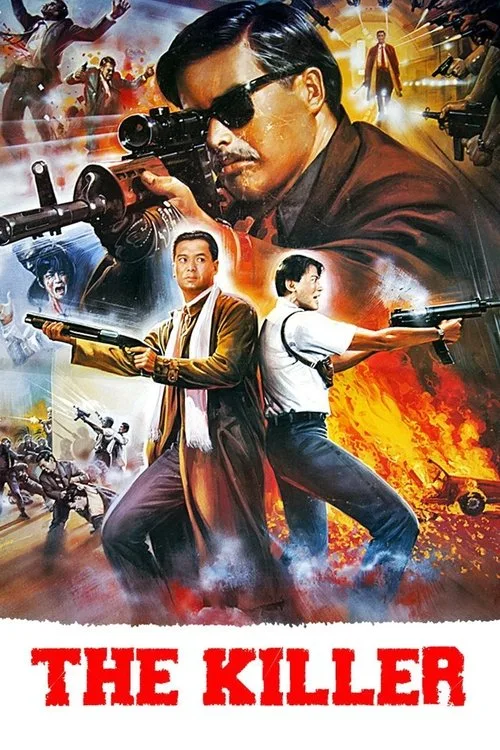 HKIFF 1989
 The Killer
Action, Crime · 1h 50m
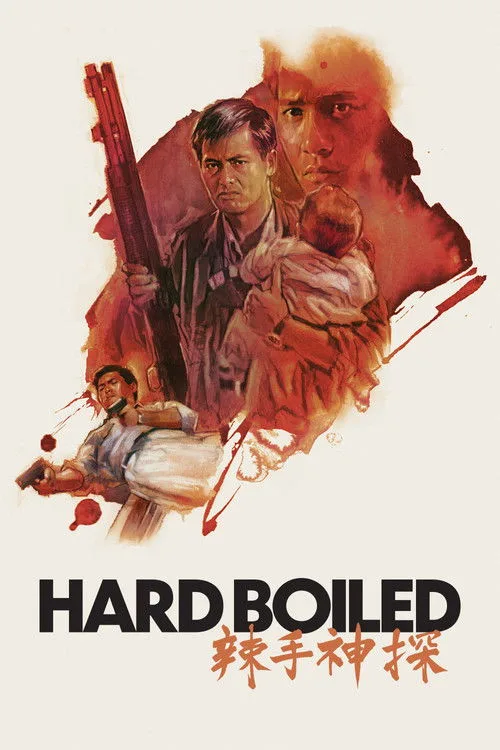 HKIFF 1992
 Hard Boiled
Action, Thriller · 2h 6m
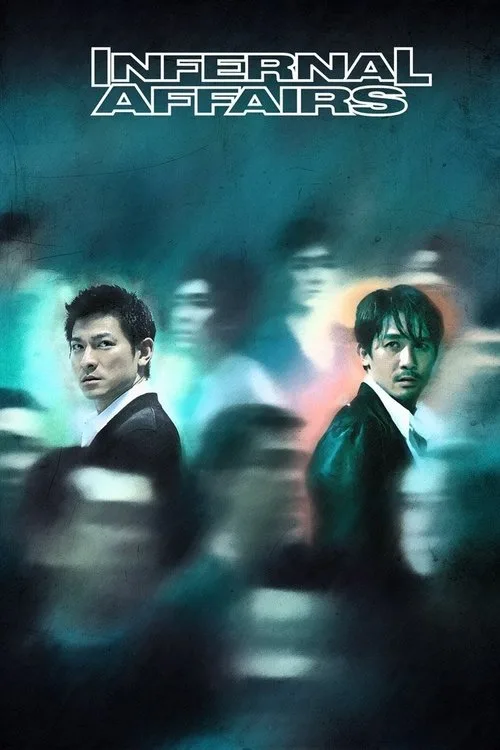 Golden Horse 2003
 Infernal Affairs
Drama, Action · 1h 41m
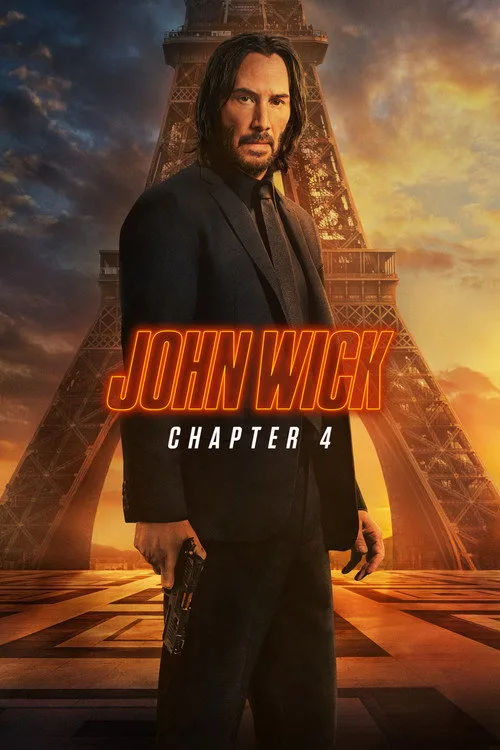
John Wick: Chapter 4
Action, Thriller · 2h 50m
Where can I watch The Chaser?
Streaming: AMC+, Sundance Now. Rent: Apple TV, Google Play, YouTube, Fandango at Home. Buy: Apple TV, Google Play, YouTube, Fandango at Home. Regional notes: AMC+, Sundance Now in the United States; Prime Video, Shudder in the United Kingdom; Prime Video in India; Netflix in South Korea.