Suspiria (1977) Review: Colour and Sound as Terror
Suspiria is Dario Argento's 1977 horror landmark about an American dancer at a sinister German ballet school, a nightmare built from saturated colour and noise.
★★★★☆ 4/5
Yes. It is essential for horror fans and lovers of bold visual style, provided you can accept a flimsy plot, stilted dubbing and some very graphic violence.
Is Suspiria worth watching?
Yes. Suspiria is one of the most visually and sonically extraordinary horror films ever made, a fever dream that still feels wilder than almost anything the genre has produced since. Dario Argento treats colour, architecture and music as instruments of fear, and its best sequences remain overwhelming. The trade-off is that story, logic and dialogue matter very little to him, so viewers who need a coherent mystery or naturalistic acting may find it more exhausting than frightening.
What is Suspiria about?
Suzy Bannion (Jessica Harper), a young American ballet student, arrives on a stormy night at a prestigious dance academy in Freiburg, Germany. The school is run by a formidable teaching staff, the other students are guarded and strange, and from the moment she arrives, unexplained events and violent deaths suggest that the academy is hiding something far older and more sinister than petty rivalries. Suzy, isolated and increasingly unwell, tries to work out what is happening around her.
Suspiria is directed by Dario Argento and was released in 1977. It is an Italian production that runs 98 minutes, shot with an international cast and released in both English and Italian dubbed versions. Stefania Casini and Flavio Bucci co-star, with Joan Bennett and Alida Valli as members of the school’s staff.
A nightmare in primary colours
The film’s reputation rests on its look, and it deserves every word of it. Argento and his cinematographer drench the academy in blood reds, electric blues and poisonous greens, so that corridors and dormitories feel less like real rooms than stages for a ritual. The art nouveau interiors, stained glass and geometric wallpaper turn the school into a labyrinth, and every doorway seems to lead somewhere worse.
The murders are staged as elaborate, operatic set pieces, and the famous opening sequence establishes the film’s approach within minutes: suspense built from colour, framing and a relentless soundtrack rather than from careful plotting. It is violent, stylised and deeply unsettling, closer to a nightmare’s logic than a thriller’s.
Goblin’s score is half the film
Just as important is the music. The Italian progressive rock band Goblin, working with Argento, created a score of whispers, chimes, drums and shrieking synthesisers that often plays at a volume that feels deliberately aggressive. It does not accompany the images so much as assault the audience alongside them, and it has become one of the most recognisable horror soundtracks ever recorded. Watch the film with good sound; it loses a great deal on laptop speakers.
Jessica Harper is well cast as Suzy, her wide eyes and slight frame making her seem constantly out of her depth. Joan Bennett and Alida Valli bring old-Hollywood and European screen pedigree to the teaching staff, and their stern, theatrical presence adds to the fairy-tale atmosphere.
Where style overwhelms sense
Argento is not interested in plausibility, and it shows. The story is thin, characters make baffling decisions, and the dialogue, awkward in any language thanks to post-synchronised dubbing, often sounds stilted. The mystery’s structure is loose, and the film’s power comes almost entirely from individual sequences rather than from the build of a narrative.
For many horror fans, that is part of the appeal: Suspiria is closer to a fairy tale or an opera than to a whodunit. But viewers expecting the tight plotting of a conventional thriller, or characters with inner lives, may be frustrated.
Who should watch Suspiria?
It is essential for horror fans, for admirers of Italian genre cinema, and for anyone interested in how colour, design and music can create fear. At 98 minutes it is compact, and best watched in the dark with the volume up. The violence is graphic and bloody, though so stylised that it looks almost painted, and it is not suitable for younger viewers.
Where to go next:
- The Shining, Stanley Kubrick’s study in architectural dread, for another horror film in which a building itself feels hostile.
- Psycho, Hitchcock’s landmark of shocking, meticulously staged murder, whose influence runs through Argento’s set pieces.
- More from our horror shelf, for other genre milestones.
The verdict
Suspiria is less a story than an experience: a feast of colour and noise that remains one of the boldest films in horror history. Its plotting is flimsy and its dialogue clumsy, but as pure cinematic sensation it is rarely matched, and it deserves its place among the genre’s essential works.
Rating: 4/5
Availability is a catalogue snapshot and can change. Confirm with the provider in your region.
Where to watch Suspiria
Not confirmed on major subscription platforms in our US baseline — check regional listings.
Rent: Amazon Video
Buy: Amazon Video
By region: BFI Player in the United Kingdom; U-NEXT in Japan; Prime Video in South Africa; Prime Video in Nigeria
Full scores and availability on the movie page.
If you liked Suspiria
Ranked by genre overlap and Celluloid Score. More movies like Suspiria →
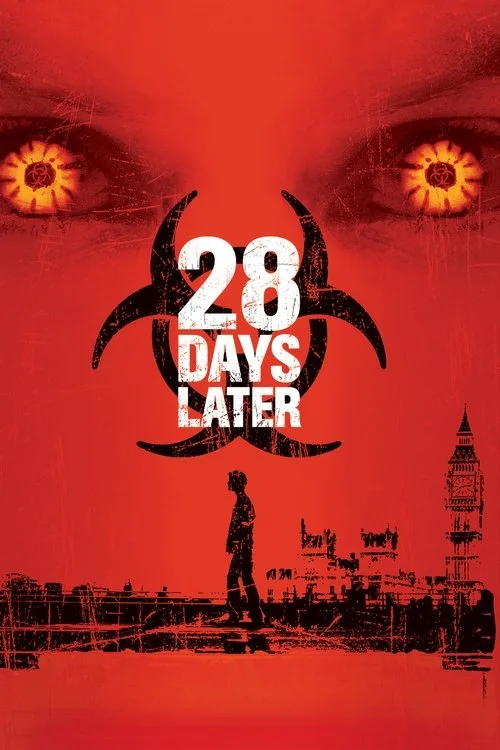
28 Days Later
Horror, Thriller · 1h 53m
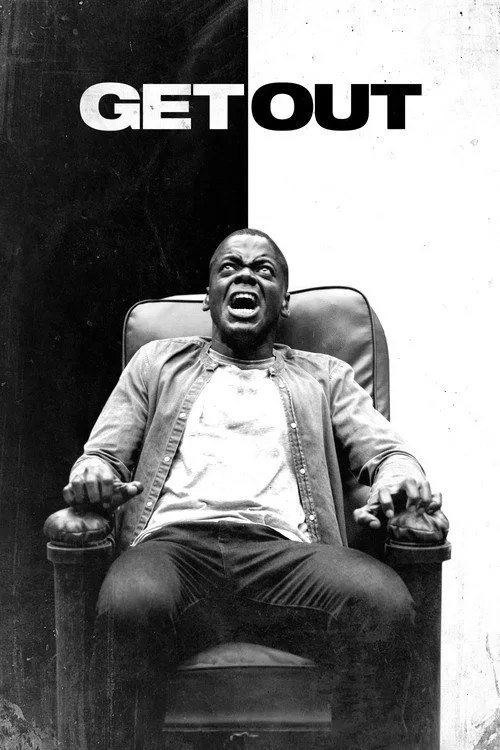 Sundance 2017
 Get Out
Mystery, Thriller · 1h 44m
 FeaturedSundance 2024
 Ghostlight
Horror, Drama · 1h 55m
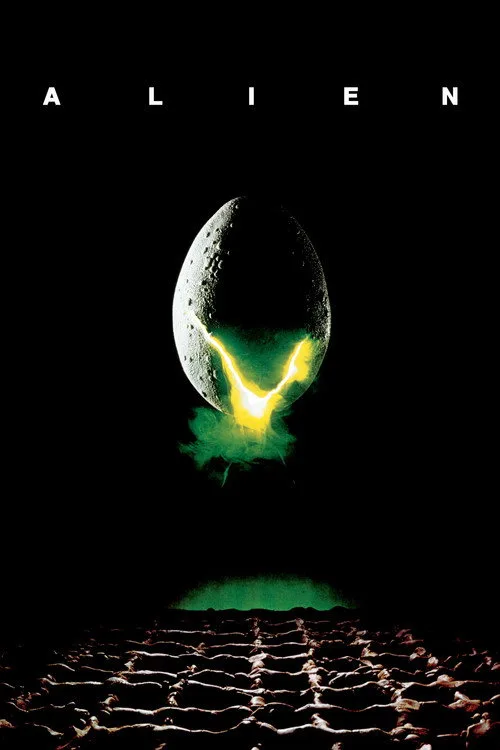
Alien
Horror, Sci-Fi · 1h 57m
Where can I watch Suspiria?
Rent: Amazon Video. Buy: Amazon Video. Regional notes: BFI Player in the United Kingdom; U-NEXT in Japan; Prime Video in South Africa; Prime Video in Nigeria.