Sholay (1975) Review: Friendship, Fire and Gabbar Singh
Sholay is Ramesh Sippy's sprawling 1975 Hindi 'curry western' about two crooks hired to catch a bandit, still the most quoted and beloved Bollywood blockbuster.
★★★★½ 4.5/5
Yes. It is essential for anyone interested in Indian cinema or great westerns, as long as you are ready for a long, song-filled epic that mixes comedy with brutal revenge.
Is Sholay worth watching?
Yes. Sholay is the defining Hindi blockbuster, a sweeping revenge western whose characters, dialogue and music became part of India’s shared vocabulary, and it still works as thrilling entertainment. Ramesh Sippy combines Hollywood and spaghetti-western influences with Indian melodrama, comedy and song, and the mix is far more coherent than it sounds. The reservation is length and tonal range: at well over three hours, with comic interludes between scenes of real cruelty, it asks for patience from viewers new to classic Bollywood.
What is Sholay about?
Sholay is set around the village of Ramgarh, in a dry, rocky landscape that could be a frontier town in any western. Thakur Baldev Singh (Sanjeev Kumar), a retired police officer with a personal score to settle, hires two small-time crooks he once arrested, Veeru (Dharmendra) and Jai (Amitabh Bachchan), to help him capture the dacoit Gabbar Singh (Amjad Khan), who terrorises the region.
The two friends are brave, cheerful and unreliable, and at first they are in it for the money. As they settle in, Veeru falls for the talkative cart driver Basanti (Hema Malini), while Jai grows quietly attached to Radha (Jaya Bhaduri), a silent presence in the Thakur’s household. The more time they spend in Ramgarh, the more personal the fight against Gabbar becomes.
Sippy directs from a screenplay by the writing duo Salim–Javed. It is an Indian production in Hindi, and the full version runs 204 minutes.
A western with a masala heart
Sholay openly borrows from American and Italian westerns, from train robberies and horseback chases to a villain framed against barren hills, and Sippy stages its action with a scale that was unprecedented for Indian cinema at the time. The widescreen photography turns the landscape into a character, and the set pieces, especially the early train sequence, are still exciting.
What makes it more than imitation is the way it fuses those influences with Indian popular traditions. Songs, broad comedy, romance and family melodrama sit alongside the gunfights, and R.D. Burman’s music, including the friendship anthem that became a standard, ties the moods together. It is the template for the modern masala film.
Jai, Veeru and a villain for the ages
The friendship between Jai and Veeru is the emotional core. Dharmendra is exuberant and funny, all bluster and charm; Bachchan is laconic and wry, and his quiet intensity contrasts beautifully with his partner’s noise. Their banter gives the film warmth, and their loyalty to each other drives its most memorable moments.
Amjad Khan’s Gabbar Singh, meanwhile, is one of cinema’s great villains. Unpredictable, amused by his own cruelty and capable of shocking violence, he dominates every scene he appears in, and many of his lines became part of everyday Indian speech. Sanjeev Kumar gives the Thakur a stern, wounded dignity, and Jaya Bhaduri makes an almost wordless role deeply affecting.
Where the epic sprawls
Not every element has aged equally well. Some comic interludes, including a jailhouse sequence spoofing a famous dictator, feel like detours from the main story, and Basanti’s chatter is played very broadly. The film’s violence is harsh for a family epic, and the shifts between slapstick and grief can be abrupt. For viewers unused to the rhythms of 1970s Hindi cinema, the length will be a real test.
Who should watch Sholay?
It is essential for anyone building a foundation in Indian cinema and for fans of westerns curious about how the genre travelled. Plan for a full evening. There is gun violence, some disturbing scenes of cruelty and emotionally intense moments, but little that is graphic by modern standards; it suits older children and families who enjoy long epics.
Other Indian action sagas to try:
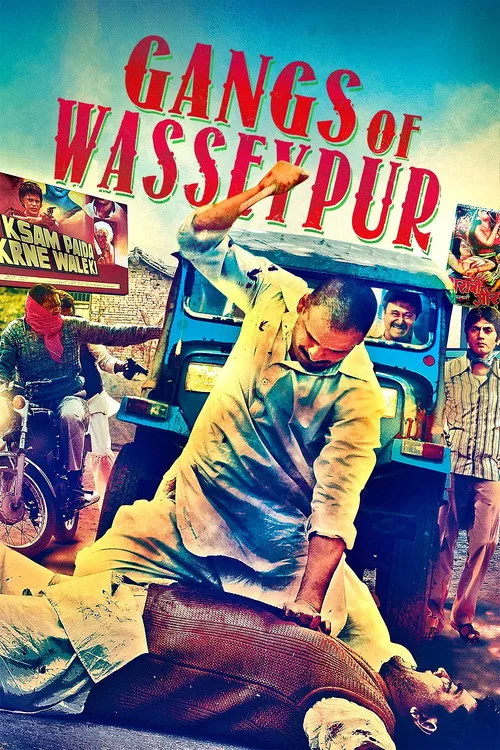
- Gangs of Wasseypur, a modern, much darker revenge epic that owes a clear debt to the mythmaking of classic Hindi cinema.
- Jawan, a contemporary masala blockbuster that shows how Sholay’s blend of heroics, comedy and song still shapes the mainstream.
The verdict
Sholay is a landmark: a thrilling, funny and ultimately moving western that shaped Indian popular cinema for decades. Its length and tonal swings will test some viewers, but its friendship, its villain and its sheer confidence make it a classic that fully deserves its reputation.
Rating: 4.5/5
Availability is a catalogue snapshot and can change. Confirm with the provider in your region.
Where to watch Sholay
Not confirmed on major subscription platforms in our US baseline — check regional listings.
Rent: Amazon Video, Apple TV, Google Play
Buy: Amazon Video, Apple TV, Google Play
By region: ITVX in the United Kingdom; Prime Video in India; Hulu in Japan; Prime Video in South Africa
Full scores and availability on the movie page.
If you liked Sholay
Ranked by genre overlap and Celluloid Score. More movies like Sholay →
 Featured
 Batman Begins
Drama, Crime · 2h 20m
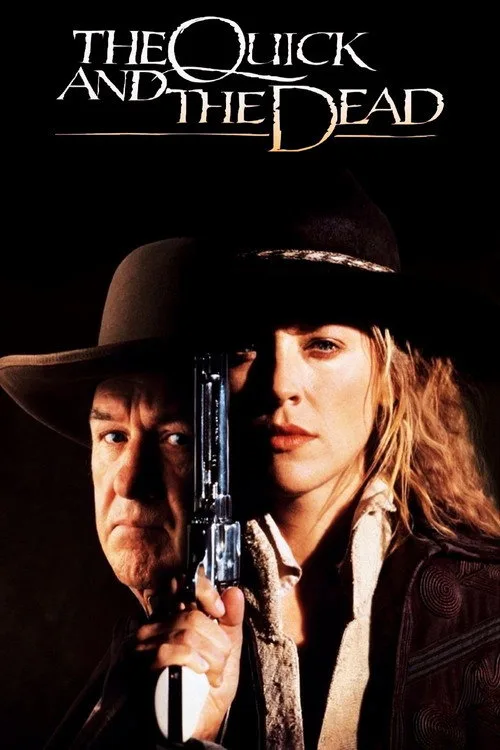
The Quick and the Dead
Western, Action · 1h 47m
 MAMI 2017
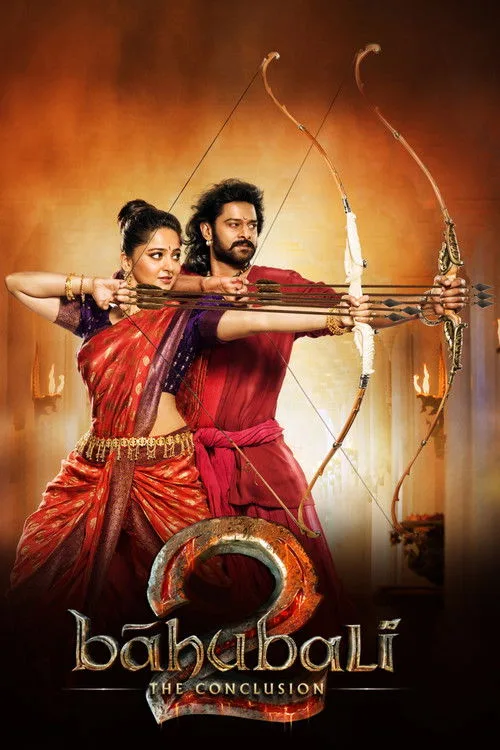
 Baahubali 2: The Conclusion
Action, Fantasy · 2h 47m
 FeaturedMAMI 2012
 Gangs of Wasseypur
Crime, Drama · 2h 40m
Where can I watch Sholay?
Rent: Amazon Video, Apple TV, Google Play. Buy: Amazon Video, Apple TV, Google Play. Regional notes: ITVX in the United Kingdom; Prime Video in India; Hulu in Japan; Prime Video in South Africa.