Lionheart (2018) Review: A Daughter Takes the Wheel
Lionheart is Genevieve Nnaji's warm Nollywood comedy-drama about a daughter fighting to save her father's bus company, gentle and likeable if rarely surprising.
★★★½☆ 3.5/5
Yes, with reservations. It is an easygoing, good-natured family business story, best for viewers curious about modern Nollywood rather than those seeking high drama.
Is Lionheart worth watching?
Yes, with reservations. Lionheart is a warm, well-paced Nigerian comedy-drama that turns a family business crisis into a quietly confident story about a woman claiming her place, even if it rarely raises its pulse. Genevieve Nnaji, directing her first feature and playing the lead, gives the film real charm and a strong sense of place. The reservation is that it plays everything safe: conflicts resolve politely, and the stakes feel lower than the premise promises.
What is Lionheart about?
Lionheart follows Adaeze, the capable, overlooked daughter of the man who built Lionheart Transport, a long-running bus company. When her father (Pete Edochie) falls ill, the business turns out to be in deeper financial trouble than anyone admitted, and a rival is circling. Rather than handing the reins to Adaeze, the family places her beside her uncle Godswill (Nkem Owoh), a cheerful, talkative man with his own ideas about how to get things done. Together they have to keep the company alive while dealing with lenders, competitors and the assumption that transport is a man’s trade.
Genevieve Nnaji directs and stars. The film is a Nigerian production in English, with passages in Igbo, and runs a brisk 95 minutes. It became Netflix’s first original film from Nigeria, which gave it an unusually wide international audience for a Nollywood title.
Nnaji’s steady hand in front of and behind the camera
Nnaji has been one of Nollywood’s biggest stars for years, and as a director she avoids the temptation to build the film around her own glamour. Adaeze is composed, practical and slightly guarded, a professional who has spent her life proving she belongs in rooms that were not designed for her. Nnaji plays her with restraint, letting small reactions carry the frustration of being talked over in meetings or passed over by family.
Her direction has the same even temperament. The film is cleanly shot, unhurried and comfortable with its settings: offices, family homes, bus depots and the roads of south-eastern Nigeria. It looks polished without losing its local texture, and it has a clear affection for the business it depicts, treating the running of a bus company as something with its own culture and pride.
Nkem Owoh and Pete Edochie bring the warmth
The film’s liveliest scenes belong to Nkem Owoh. As Godswill, he is a talker and an improviser, sometimes a liability and sometimes exactly what the situation needs, and his rhythm gives the film most of its laughs. The pairing of his loose, comic energy with Nnaji’s tightly controlled Adaeze is the film’s best idea, and their uneasy partnership turns into something affectionate without the script forcing it.
Pete Edochie, a veteran with enormous presence, has less screen time but anchors the family scenes. Lionheart is at its best when it lets these generations of performers share a room; the rhythm of Igbo family life, with its obligations, pride and humour, feels observed rather than staged.
Where the stakes stay too comfortable
The film’s gentleness is also its limit. The rival businessman, the financial danger and the sexism Adaeze faces are all set up clearly, then handled with a lightness that drains some of the tension. Obstacles tend to dissolve through goodwill and a well-timed conversation rather than hard choices, and the final stretch lands on the expected notes. Some of the business manoeuvring is sketched rather than dramatised, so the climax feels tidier than earned.
It is worth knowing, too, that the film became part of a wider conversation when it was disqualified from the Oscar race for international feature because most of its dialogue is in English. That debate says more about the rules than the film, but it raised expectations that Lionheart, a modest crowd-pleaser, was never built to carry.
Who should watch Lionheart?
It suits viewers looking for a relaxed family comedy-drama, anyone curious about contemporary Nigerian cinema, and those who enjoy workplace stories about outsiders proving themselves. There is nothing graphic here: some mild language and business intrigue, but it is comfortable viewing for teenagers and older family members together. At 95 minutes, it is an easy evening.
If it works for you, these make good next steps:
- The Wedding Party, a bigger, noisier Nollywood comedy that shares Lionheart’s affection for family chaos.
- King of Boys, released the same year, which puts a woman at the centre of a male power structure and plays it as a gripping crime saga.
- Phone Swap, Kunle Afolayan’s light comedy of mistaken identity, for more of Nollywood’s gentler side.
The verdict
Lionheart is a likeable, confident debut that shows Genevieve Nnaji as a director with taste and control, and it gives Nkem Owoh room to be very funny. It rarely risks much, and its conflicts wrap up too neatly, but as a warm story about family, work and a woman refusing to be sidelined, it is well worth an evening.
Rating: 3.5/5
Availability is a catalogue snapshot and can change. Confirm with the provider in your region.
Where to watch Lionheart
Streaming: Netflix
By region: Netflix in the United States; Netflix in the United Kingdom; Netflix in Indonesia; Netflix in India
Full scores and availability on the movie page.
If you liked Lionheart
Ranked by genre overlap and Celluloid Score. More movies like Lionheart →
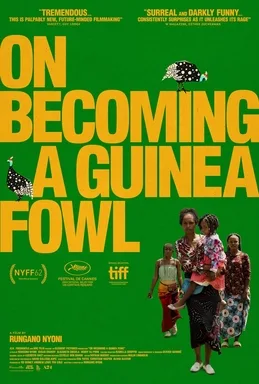 FeaturedCannes 2024
 On Becoming a Guinea Fowl
Drama · 1h 39m
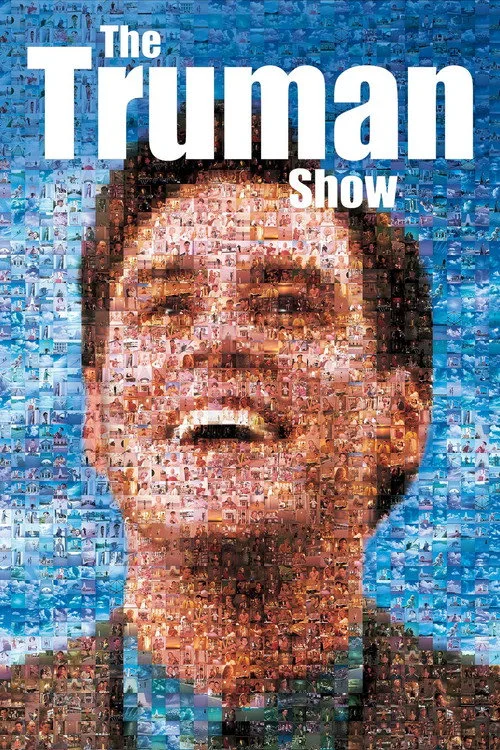 Featured
 The Truman Show
Comedy, Drama · 1h 43m
 FeaturedSundance 2025
 Come See Me in the Good Light
Comedy, Drama · 1h 44m
 FeaturedShanghai 2018
 Dying to Survive
Drama, Comedy · 1h 57m
Where can I watch Lionheart?
Streaming: Netflix. Regional notes: Netflix in the United States; Netflix in the United Kingdom; Netflix in Indonesia; Netflix in India.