Blue Is the Warmest Color (2013) Review: Love in Close-Up
Blue Is the Warmest Color is Abdellatif Kechiche's Palme d'Or-winning three-hour romance, with Adèle Exarchopoulos and Léa Seydoux in astonishing form.
★★★★½ 4.5/5
Yes. It is an overwhelming, brilliantly acted portrait of first love for adult viewers with three hours to spare, though its long explicit scenes remain divisive.
Is Blue Is the Warmest Color worth watching?
Yes. Blue Is the Warmest Color is one of the most emotionally overwhelming love stories of recent decades, built on two of the finest screen performances of the 2010s. Abdellatif Kechiche films the arc of a first great love with such closeness and patience that it feels less like watching a romance than living through one. The reservation is significant: its long, explicit sex scenes have been widely criticised as voyeuristic, and the reported conditions of the shoot cast a shadow over the film’s intimacy.
What is Blue Is the Warmest Color about?
Blue Is the Warmest Color, known in France as La Vie d’Adèle, follows Adèle (Adèle Exarchopoulos), a high-school student in Lille who loves literature, eats with enormous appetite and feels vaguely out of step with the life expected of her. A brief encounter on the street with a young woman with blue hair leaves her shaken.
That woman is Emma (Léa Seydoux), an older art student, confident, cultured and already sure of who she is. When the two meet properly, a relationship begins that transforms Adèle’s understanding of desire, identity and herself, and the film follows it across several years of her life. Salim Kechiouche appears in a supporting role.
Kechiche directs a French production in French, loosely adapted from Julie Maroh’s graphic novel, and it runs 179 minutes. It won the Palme d’Or at Cannes, with the jury taking the unusual step of sharing the award between the director and his two lead actresses.
Exarchopoulos gives a performance without walls
The film belongs to Adèle Exarchopoulos. Kechiche’s camera stays inches from her face for much of its running time, catching every flicker of doubt, hunger, embarrassment and joy, and she never seems to be performing for it. Her Adèle is awkward, sensual, stubborn and painfully open, and the naturalism is so complete that the character feels documented rather than acted.
Léa Seydoux is her perfect counterpart. Emma is more guarded and self-possessed, and Seydoux plays her with a cool authority that slowly reveals its own vulnerabilities. Together they make the relationship feel entirely real, from the thrill of first attraction to the small frictions of shared life.
A love story told through everyday detail
Kechiche’s great gift is for texture. Meals, classrooms, parties, dinners with each other’s families and long conversations are allowed to run at the pace of real life, and those scenes gradually reveal the differences, especially of class and ambition, that shape the couple. A family dinner of spaghetti in one home and seafood in another says more about their worlds than any speech could.
The film is also a moving coming-of-age story. Adèle’s discovery of her sexuality is complicated by the reactions of classmates, and the film captures the cruelty of adolescent gossip and the loneliness of being unsure where you belong. The romance is inseparable from that larger story of a young woman growing into herself.
The controversy the film cannot shake
The film’s sex scenes are long, graphic and choreographed in a way many viewers, including the author of the original graphic novel, have found closer to a male fantasy than to the emotional truth of the rest of the film. They are the one place where Kechiche’s closeness feels like observation rather than empathy. Both actresses also spoke publicly about a gruelling shoot, and crew members raised complaints about working conditions, which makes some of the film’s intimacy harder to watch uncritically.
At three hours, the film is also demanding, though its length is part of how it builds its emotional power.
Who should watch Blue Is the Warmest Color?
It is for adult viewers who love intimate, performance-driven dramas and are prepared for a long, immersive watch. Set aside a full evening. The film contains extended, explicit sexual content and nudity, as well as homophobic bullying and emotional conflict, so it is strictly for adults.
Two French films in conversation with it:
- Portrait of a Lady on Fire, a French love story between two women that offers a strikingly different, more restrained way of filming desire.
- Happening, another French film that stays close to a young woman’s body, choices and inner life.
The verdict
Blue Is the Warmest Color is a raw, immersive and deeply moving portrait of first love, powered by two extraordinary performances and Kechiche’s gift for everyday detail. Its explicit scenes and the controversy around its making are legitimate reservations, but as an emotional experience it remains unforgettable.
Rating: 4.5/5
Availability is a catalogue snapshot and can change. Confirm with the provider in your region.
Where to watch Blue Is the Warmest Color
Streaming: AMC+, Sundance Now
Rent: Apple TV, Fandango at Home
Buy: Apple TV, Fandango at Home
By region: AMC+, Sundance Now in the United States; ITVX in the United Kingdom; Netflix, TVING in South Korea; Hulu, U-NEXT in Japan
Full scores and availability on the movie page.
If you liked Blue Is the Warmest Color
Ranked by genre overlap and Celluloid Score. More movies like Blue Is the Warmest Color →
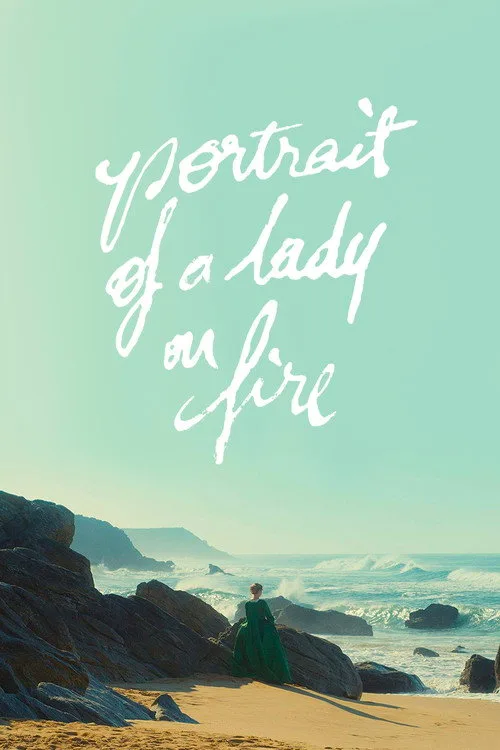 Cannes 2019
 Portrait of a Lady on Fire
Romance, Drama · 2h 2m
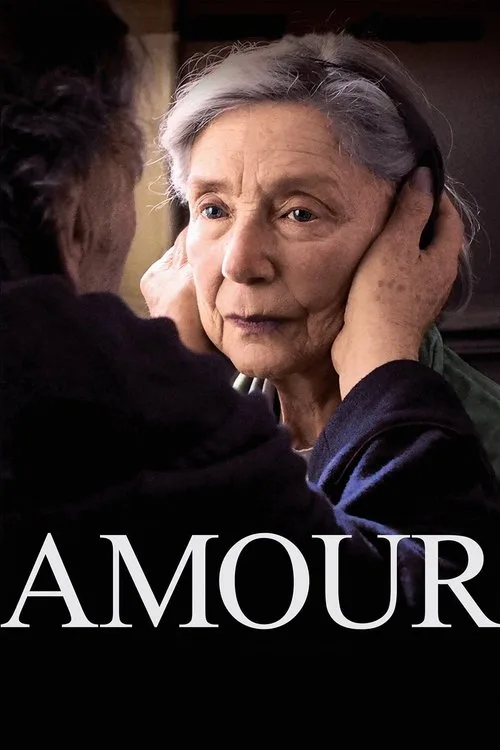 Cannes 2012
 Amour
Drama, Romance · 2h 7m
 Cannes 2000
 In the Mood for Love
Romance, Drama · 1h 38m
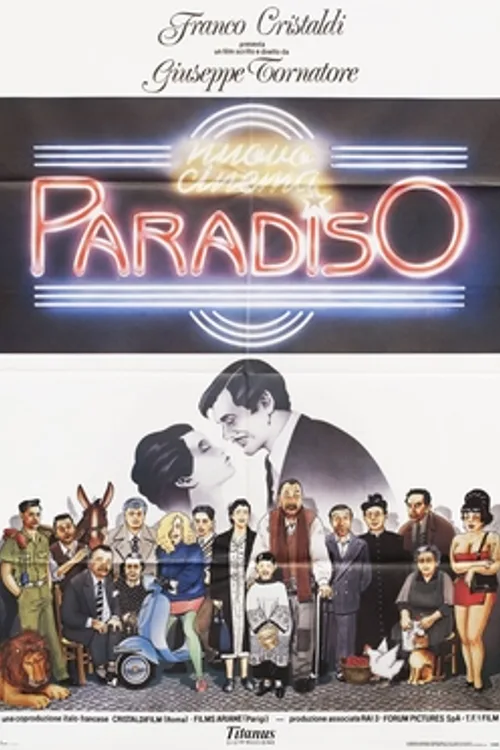 Cannes 1989
 Cinema Paradiso
Drama, Romance · 2h 54m
Where can I watch Blue Is the Warmest Color?
Streaming: AMC+, Sundance Now. Rent: Apple TV, Fandango at Home. Buy: Apple TV, Fandango at Home. Regional notes: AMC+, Sundance Now in the United States; ITVX in the United Kingdom; Netflix, TVING in South Korea; Hulu, U-NEXT in Japan.