Battle Royale (2000) Review: Class Warfare, Literally
Battle Royale is Kinji Fukasaku's savage Japanese satire in which a school class is forced to fight to the death, a shocking thriller with a furious heart.
★★★★½ 4.5/5
Yes. It is a ferocious, blackly funny survival thriller that still outclasses its imitators, for adult viewers who can stomach graphic violence among teenagers.
Is Battle Royale worth watching?
Yes. Battle Royale is a savage, blackly comic and surprisingly moving survival thriller, and more than two decades on it remains sharper and angrier than almost everything it inspired. Kinji Fukasaku turns a pulpy premise into a howl of rage at adults who abandon the young, and the film’s mix of horror, satire and teenage melodrama is unlike anything else. The reservation is that the huge young cast is uneven, and the violence, often played with deliberate absurdity, will be too much for many viewers.
What is Battle Royale about?
Battle Royale is set in an alternative Japan where a panicked government, facing mass truancy and youth unrest, has passed a law that each year selects one school class at random. The chosen students are taken to an island, fitted with explosive collars and given three days to kill each other until only one is left.
This year the lottery falls on a class of 15-year-olds. Among them are Shuya (Tatsuya Fujiwara), a quiet boy still reeling from a family tragedy, Noriko (Aki Maeda), the classmate he resolves to protect, and Kawada (Taro Yamamoto), a mysterious transfer student who seems far too calm. Their former teacher, played with deadpan menace by Takeshi Kitano, explains the rules.
Fukasaku, a veteran best known for his gritty yakuza films, adapted Koushun Takami’s novel. It is a Japanese production in Japanese, and it runs 114 minutes.
A satire with no safety net
The film’s genius lies in its tone. The rules are delivered through a perky instructional video, the kills are announced over loudspeakers with a jaunty sign-off, and the whole enterprise is treated by the adults as routine bureaucracy. That deadpan horror makes the satire land: this is a society that has decided its children are a problem to be managed.
Fukasaku stages the island as a pressure cooker of adolescent feelings. Friendships, crushes and old grudges suddenly carry life-or-death consequences, and the film shows how quickly trust collapses when everyone is armed. Some students band together, some hide, and some embrace the game, and each choice reveals something about the society that made them. The use of familiar classical music against scenes of chaos adds a grimly ironic grandeur.
Kitano and the teenage cast
Takeshi Kitano is the film’s unforgettable presence. His teacher is bitter, weary and strangely wounded, and he makes the most monstrous scenes feel eerily casual. The film gives him a few odd, unexpectedly human moments that complicate him without excusing anything.
Among the students, Tatsuya Fujiwara and Aki Maeda provide a sympathetic, earnest centre, and Taro Yamamoto’s Kawada brings a hard-bitten calm that shifts the film’s energy whenever he appears. Kou Shibasaki and Masanobu Ando are chilling as two classmates who adapt to the game with frightening ease.
Where the melodrama spills over
With more than 40 students, the film cannot develop everyone, and many are sketched in a single scene before being dispatched. Some of the acting from the younger cast is broad, and the flashbacks and romantic declarations can tip into schoolyard melodrama that sits awkwardly beside the satire. Those shifts are part of the film’s identity, but they make it feel less controlled than it could be.
The violence is also extreme by design. Fukasaku wants it to be shocking, and at times it is played so absurdly that audiences may laugh and then feel uneasy about laughing. That is the point, but it will not suit everyone.
Who should watch Battle Royale?
It is essential for fans of survival thrillers and dystopian fiction, and for anyone curious about the film that later young-adult franchises are so often compared to. It is also a major entry point into Japanese genre cinema. At under two hours, it moves fast. The violence is graphic, frequent and inflicted by and on teenagers, and the film deals with suicide and abuse, so it is strictly for adults and mature older teens.
Two Japanese films that pair well with it:
- Harakiri, a classic Japanese film that also turns genre violence against the cruelty of institutions.
- Godzilla Minus One, a modern Japanese action blockbuster that channels national anxieties into spectacle.
The verdict
Battle Royale is a furious, funny and deeply unsettling film, a blunt instrument of satire that still feels dangerous. Its crowded cast and melodrama can be ragged, but its vision of adults who have given up on their children remains as sharp as ever, and it has lost none of its power to provoke.
Rating: 4.5/5
Availability is a catalogue snapshot and can change. Confirm with the provider in your region.
Where to watch Battle Royale
Streaming: Prime Video, BFI Player
Rent: Amazon Video, Apple TV, Google Play, YouTube, Fandango at Home
Buy: Amazon Video, Apple TV, Google Play, YouTube, Fandango at Home
By region: Prime Video, BFI Player in the United States; MUBI in India; MUBI in Turkey; Netflix, Wavve in South Korea
Full scores and availability on the movie page.
If you liked Battle Royale
Ranked by genre overlap and Celluloid Score. More movies like Battle Royale →
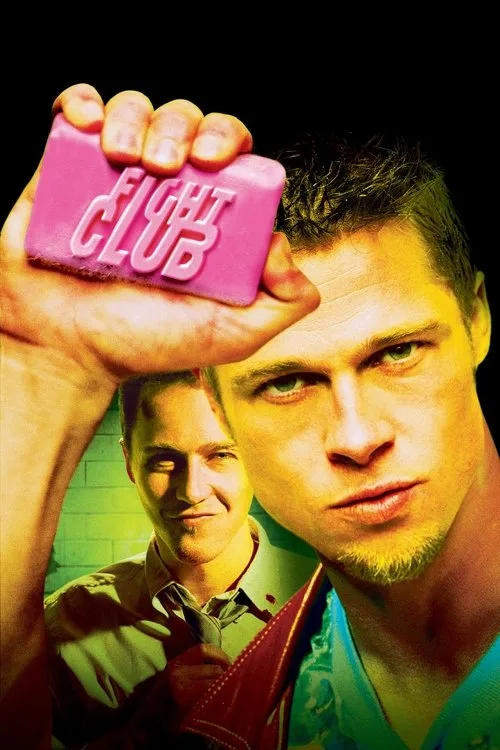 Venice 1999
 Fight Club
Drama, Thriller · 2h 19m
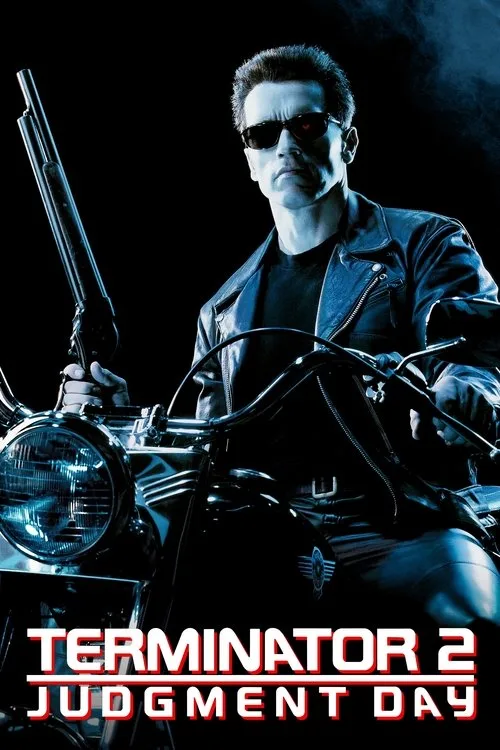
Terminator 2: Judgment Day
Action, Thriller · 2h 17m
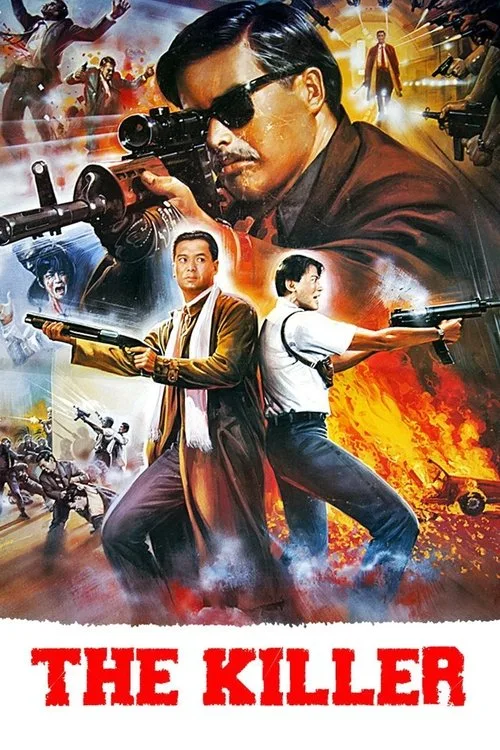 HKIFF 1989
 The Killer
Action, Crime · 1h 50m
 BFI London 2006
 Casino Royale
Action, Thriller · 2h 24m
Where can I watch Battle Royale?
Streaming: Prime Video, BFI Player. Rent: Amazon Video, Apple TV, Google Play, YouTube, Fandango at Home. Buy: Amazon Video, Apple TV, Google Play, YouTube, Fandango at Home. Regional notes: Prime Video, BFI Player in the United States; MUBI in India; MUBI in Turkey; Netflix, Wavve in South Korea.