Baahubali 2: The Conclusion Review: Myth at Full Volume
Baahubali 2: The Conclusion completes S. S. Rajamouli's Telugu epic with bigger battles and richer melodrama, a mythic blockbuster built for the biggest screen.
★★★★½ 4.5/5
Yes. It is Indian blockbuster filmmaking at its most operatic. Watch Baahubali: The Beginning first, then give yourself to the melodrama as much as the battles.
Is Baahubali 2: The Conclusion worth watching?
Yes. Baahubali 2: The Conclusion is the rare sequel that improves on its predecessor, turning the first film’s spectacle into a full-blooded palace tragedy with some of the most exhilarating action in Indian cinema. S. S. Rajamouli stages everything at the pitch of legend, and the film’s sincerity is its secret: nobody on screen winks at the audience. The main reservation is the last stretch, which rushes through the present-day revenge story after a long, rich flashback, and anyone allergic to melodrama will find it relentless.
What is Baahubali 2: The Conclusion about?
Baahubali 2: The Conclusion finishes the two-part saga of the kingdom of Mahishmati. Most of its running time continues the flashback that the first film opened, following Amarendra Baahubali, the heir favoured by the court, as his rivalry with his cousin Bhallaladeva (Rana Daggubati) hardens and his path crosses with Devasena (Anushka Shetty), a proud princess from a neighbouring kingdom. Prabhas plays both Amarendra and his son Mahendra, whose fight to reclaim the throne and avenge his family frames the story.
The film answers the question the first part famously left hanging, and it is built to be watched as the second half of one very long story rather than on its own.
Rajamouli made it in Telugu, with a parallel Tamil version, and it reached much of India through dubbed releases. It runs 167 minutes and became a record-breaking hit that changed expectations of what a South Indian film could achieve nationwide.
Rajamouli stages action like mythology
Rajamouli’s gift is for set pieces that play like illustrations from an epic come to life. Gravity is optional, strength is superhuman, and armies move with the choreography of a dance number, yet every sequence is designed around a clear dramatic idea. A standout mid-film battle, in which Amarendra and Devasena fight side by side with bows, doubles as a courtship: the action tells you exactly how these two see each other.
The film’s action never becomes noise because Rajamouli understands scale as emotion. Crowds roar, palaces loom, and M. M. Keeravani’s thunderous score pushes each moment toward the operatic. The visual effects are uneven in places, with some green-screen backdrops looking more painted than real, but the design is so confident that the seams rarely matter.
Palace intrigue gives the spectacle weight
What lifts the sequel above the first film is its drama. The flashback plays like Shakespeare filtered through Indian myth, a story of loyalty, jealousy and a mother’s fateful choices. Ramya Krishnan’s Sivagami, the formidable queen mother, is the film’s most complex figure, and her scenes with both princes carry real tension.
Anushka Shetty gives Devasena wit and steel, making her far more than a romantic prize; her pride puts her on a collision course with Mahishmati’s court. Prabhas plays Amarendra with an easy, generous charisma that makes the hero’s legend believable, and Sathyaraj’s loyal warrior Kattappa supplies both humour and gravity. Rana Daggubati is imposing as Bhallaladeva, though the character is written almost entirely in shades of envy.
Where the conclusion hurries
After the patient, absorbing flashback, the return to Mahendra’s story feels compressed. The younger Baahubali is a less interesting hero than his father, and the final war, spectacular as it is, runs on momentum rather than the character detail that makes the middle so gripping. The melodrama is also pitched high throughout, and viewers who prefer restraint will find little of it here.
Who should watch Baahubali 2: The Conclusion?
It is essential for anyone who enjoyed the first film and for viewers curious about the big-screen tradition that later produced global hits from Telugu cinema. Watch it on the largest screen available and set aside nearly three hours. The violence is frequent and occasionally bloody, though stylised rather than graphic, and the film suits older children who can handle battle scenes.
If it works for you:
- Baahubali: The Beginning, which is required viewing first; this film makes much less sense without it.
- RRR, Rajamouli’s next epic, which pushes the same operatic action into a period adventure.
- Kalki 2898 AD, another Prabhas-led spectacle that blends myth with blockbuster scale.
The verdict
Baahubali 2: The Conclusion is maximalist entertainment made with total conviction, a palace tragedy and a war epic folded into one. The rushed final act and one-note villain keep it short of perfect, but its set pieces and emotional sweep make it a landmark of modern Indian popular cinema.
Rating: 4.5/5
Availability is a catalogue snapshot and can change. Confirm with the provider in your region.
Where to watch Baahubali 2: The Conclusion
Streaming: Netflix
Rent: Google Play, YouTube
Buy: Google Play, YouTube
By region: Netflix in the United States; Netflix, SonyLIV, Vi Movies & TV in India; Netflix in Turkey; Netflix in the Philippines
Full scores and availability on the movie page.
If you liked Baahubali 2: The Conclusion
Ranked by genre overlap and Celluloid Score. More movies like Baahubali 2: The Conclusion →
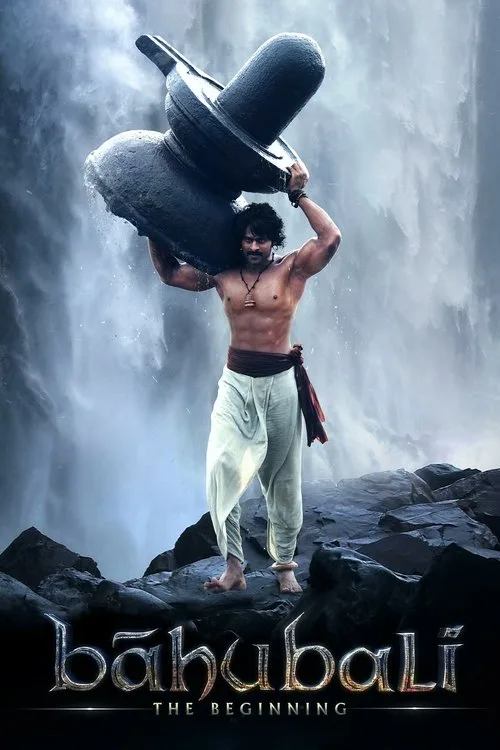 FeaturedMAMI 2015
 Baahubali: The Beginning
Action, Drama · 2h 39m
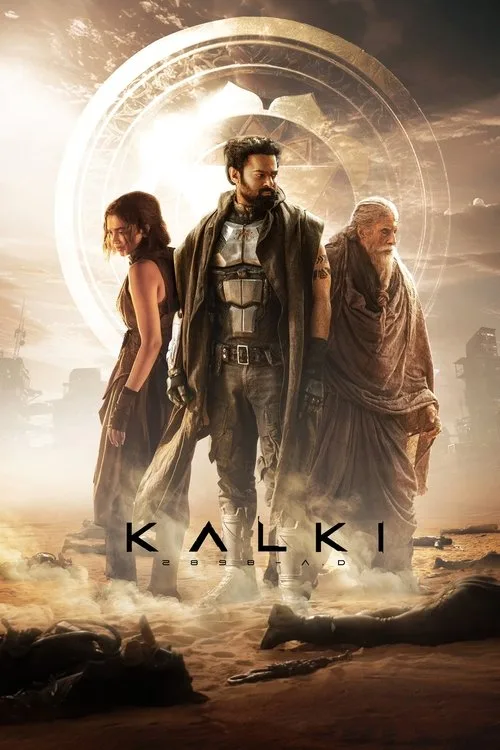 MAMI 2024
 Kalki 2898 AD
Drama, Action · 2h 56m
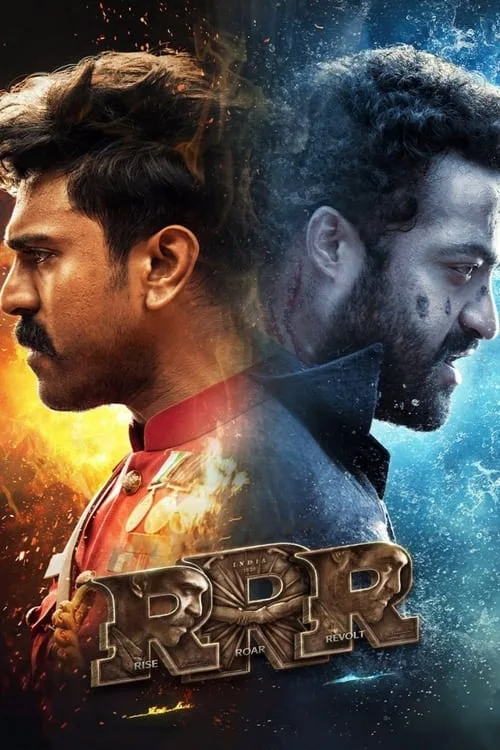 IFFI 2022
 RRR
Action, Drama · 3h 7m

The Odyssey
Action, Adventure · 2h 53m
Where can I watch Baahubali 2: The Conclusion?
Streaming: Netflix. Rent: Google Play, YouTube. Buy: Google Play, YouTube. Regional notes: Netflix in the United States; Netflix, SonyLIV, Vi Movies & TV in India; Netflix in Turkey; Netflix in the Philippines.