Allegro Pastell (2026) Review: Irony at Arm's Length
Allegro Pastell adapts Leif Randt's cult novel about a long-distance millennial couple: stylish and faithful in tone, but so cool it keeps its heart at a distance.
It depends. Fans of Leif Randt's novel and of deadpan relationship drama will find plenty to admire; anyone hoping for a warm, swooning romance will find it airless.
Is Allegro Pastell worth watching?
It depends on your taste for irony. Allegro Pastell is a handsome, carefully controlled adaptation of Leif Randt’s novel that captures its cool, knowing voice, but that same coolness keeps its central romance oddly lifeless. Anna Roller clearly understands the book’s deadpan humour and its portrait of self-aware thirty-somethings. Whether the mannered dialogue plays as sly commentary or simply sounds stilted is the question that will decide how much you get out of it.
What is Allegro Pastell about?
It is the summer of 2018. Tanja Arnheim, a writer based in Berlin, and Jerome Daimler, a web designer who lives in the Hessian countryside, are trying to keep a long-distance relationship going between the capital and the provinces. They are thoughtful, articulate and very careful with each other, perhaps too careful. As Tanja’s thirtieth birthday approaches, she starts asking what she actually wants from the relationship, and both of them begin to drift toward other people.
Allegro Pastell is directed by Anna Roller from Randt’s 2020 novel. It is a German production in German, runs 100 minutes, and premiered in the Panorama section of the 2026 Berlinale. Sylvaine Faligant and Jannis Niewöhner head the cast, with Luna Wedler, Martina Gedeck, Wolfram Koch and Haley Louise Jones in supporting roles.
Faithful to the book’s cool surface
Randt’s novel is known for its characters’ hyper-considered way of talking: they analyse their own feelings as they have them, choose their words like people drafting a statement, and treat emotional turbulence as something to be managed. Roller keeps that register intact. Conversations unfold in long, calm exchanges, and the actors deliver them with a flatness that is plainly intentional.
On the page, that detachment is funny and revealing, because the reader can hear the anxiety beneath it. On screen, it becomes harder to read. In the film’s best scenes, the gap between what Tanja and Jerome say and what they seem to feel creates a quiet comic tension. In weaker ones, the lines land as a style exercise, and the characters sound more like a manifesto for a generation than two people in love.
A film that looks the part
Visually, the adaptation is on firmer ground. Roller and her team give the film a soft, sunlit palette that suits the title, and the contrast between Berlin’s apartments and bars and the greener, quieter spaces of Jerome’s life in Hesse gives the long-distance structure a physical shape. The film is also good on the texture of a relationship conducted partly through screens and messages, where timing and tone carry as much meaning as content.
The supporting cast brings welcome warmth. Luna Wedler and Martina Gedeck, in smaller roles, seem freer than the leads, and their scenes briefly let the film breathe.
Where the distance becomes a problem
The central difficulty is that a romance needs some heat to generate stakes, and Allegro Pastell rarely allows it. Faligant and Niewöhner are both precise, but the script keeps them at such a remove from their own emotions that it is hard to care whether the relationship survives. Across 100 minutes, the steady, even tone starts to feel less like a choice than a limit. Viewers who have not read the novel may struggle to see what the film is being ironic about.
Who should watch Allegro Pastell?
It is best suited to readers of Randt’s book, to fans of contemporary German cinema, and to viewers who enjoy dry, observational stories about modern relationships more than conventional romance. It is low on incident and high on conversation. There is some sexual content and recreational drug use, handled without drama, so it is aimed at adults.
If it appeals, these make interesting companions:
- Every You Every Me, another recent German relationship drama that takes a more openly emotional approach.
- Toni Erdmann, Maren Ade’s masterclass in German deadpan, where awkwardness finally cracks open into feeling.
- Head-On, Fatih Akin’s volatile love story, for the opposite of Allegro Pastell’s restraint.
The verdict
Allegro Pastell is an intelligent, good-looking adaptation that honours its source’s ironic detachment so completely that it forgets to make us feel anything underneath. Admirers of the novel and of cool, talky drama will find it worthwhile; others may find it as distant as its lovers.
If you liked Allegro Pastell
Ranked by genre overlap and Celluloid Score.
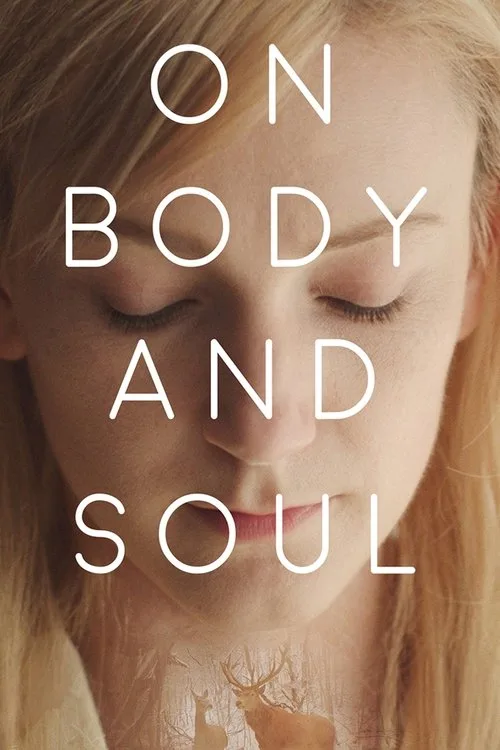 Berlinale 2017
 On Body and Soul
Drama, Romance · 1h 56m
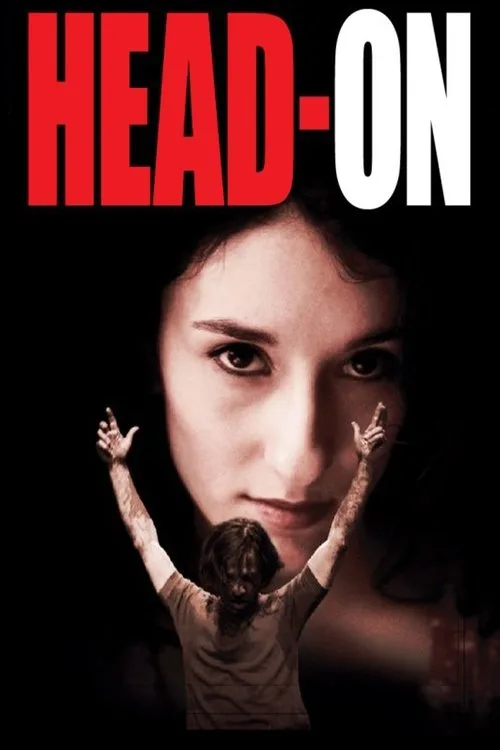 Berlinale 2004
 Head-On
Drama, Romance · 2h 2m
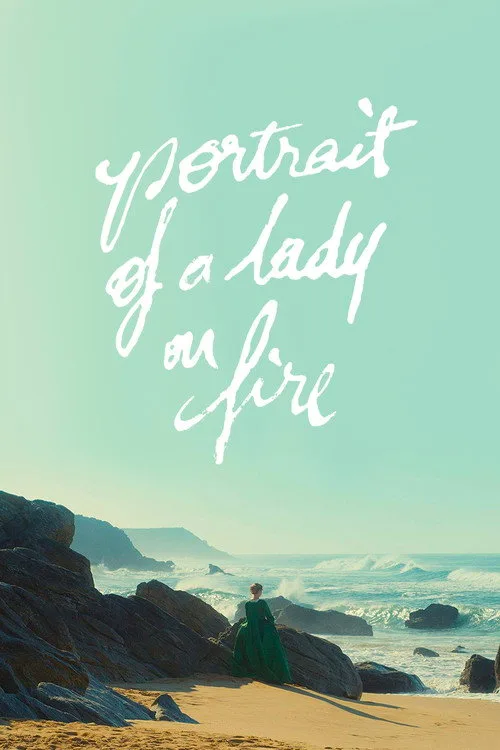 Cannes 2019
 Portrait of a Lady on Fire
Romance, Drama · 2h 2m
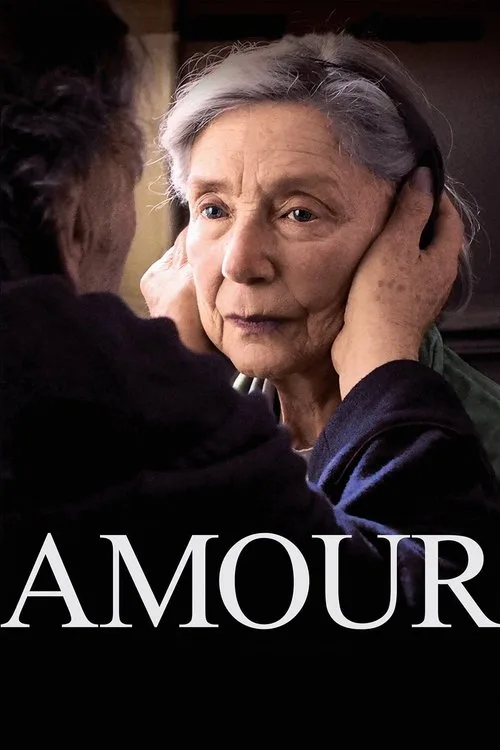 Cannes 2012
 Amour
Drama, Romance · 2h 7m