The Wire Review: A Whole City as the Protagonist
★★★★★ 5/5
The most ambitious and clear-eyed drama American television has produced — a devastating study of systems and the human cost of their failure. A masterpiece.
Where to watch The Wire
Streaming: HBO Max
By region: HBO Max in the United States; HBO Max, Sky Cinema in the United Kingdom; HBO Max in Indonesia; Disney+ Hotstar, Vi Movies & TV in India
Full scores & availability on the series page.
The system as subject
David Simon’s series has no hero because its true protagonist is a city and the machinery that runs it. Each season retrains the camera on a different institution — the drug trade, the port, City Hall, the schools, the press — and the cumulative argument is merciless: the individuals are rarely villains, but the systems they serve are rigged to fail, and good people are broken on their gears.
Naturalism as radical style
The Wire rejects the shortcuts of television. Its plotting is patient to the point of defiance, its dialogue thick with jargon and code, its cast enormous and largely unglamorous. It withholds the reassurances of the cop show — the tidy bust, the moral clarity — because it is interested in process and futility rather than triumph. The demands it makes are exactly the source of its authority.
A cast without stars
The ensemble is a marvel of casting for truth over fame — Dominic West’s self-destructive McNulty, Idris Elba’s coolly strategic Stringer Bell, and above all Michael K. Williams’s Omar, a shotgun-toting stick-up man with a rigid code, one of the most indelible characters in television history. Nobody is disposable; every corner kid has a name and a fate.
Tragedy on a civic scale
What lingers is the show’s grief. It watches reform crushed, potential wasted, cycles repeat — the same corners, the same ruined kids, a generation later. It is furious and unsentimental in equal measure, and it never once lets a system off the hook by blaming a bad apple.
Verdict
The Wire is the gold standard of televised realism — a sprawling, unsparing anatomy of an American city that asks harder questions than any drama before or since. Essential, demanding and unforgettable.
More like The Wire
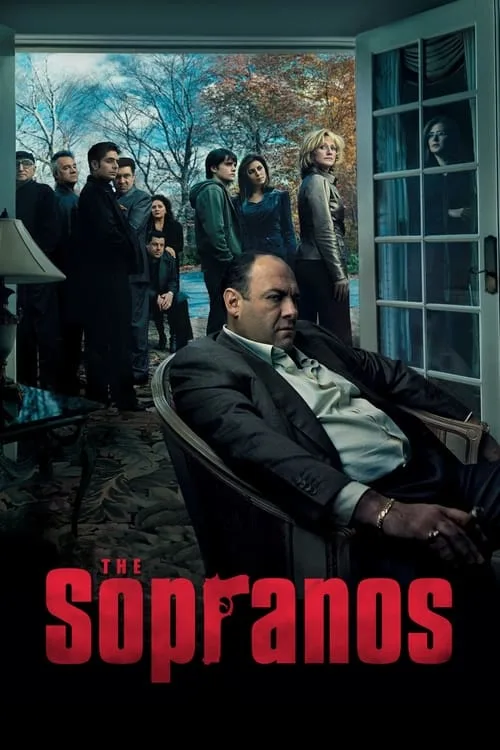 HBO Max Editor's Pick
 The Sopranos
Crime, Drama
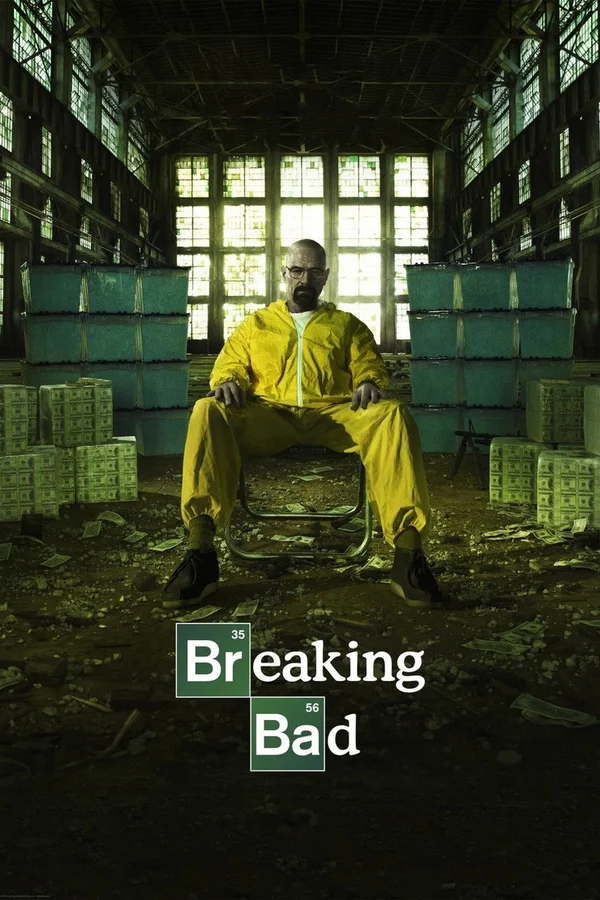 Netflix Editor's Pick
 Breaking Bad
Crime, Drama
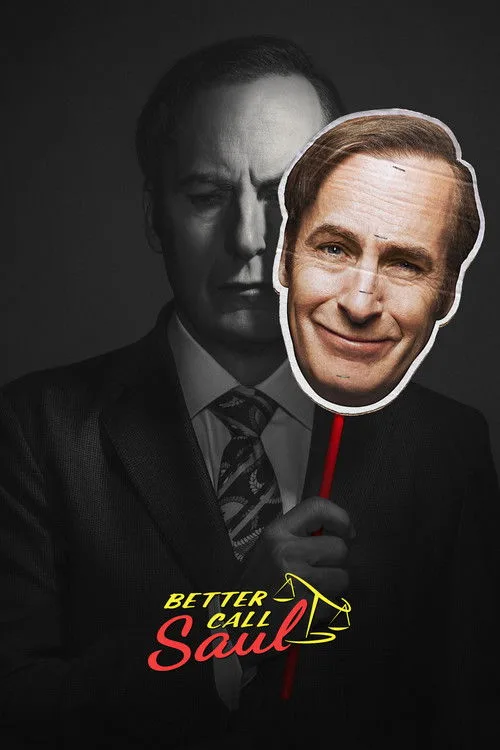 Netflix Editor's Pick
 Better Call Saul
Crime, Drama
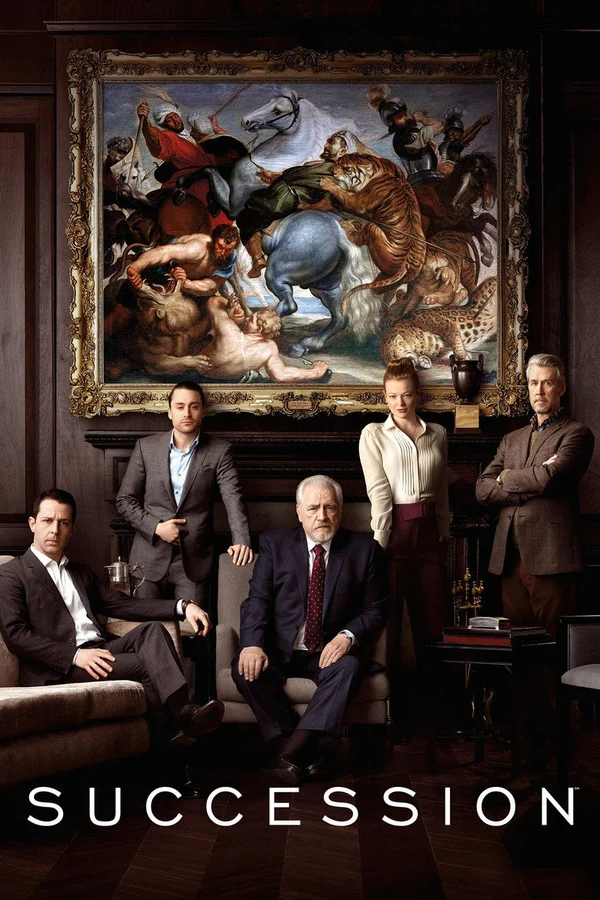 HBO Max Editor's Pick
 Succession
Drama
Streaming: HBO Max. Regional notes: HBO Max in the United States; HBO Max, Sky Cinema in the United Kingdom; HBO Max in Indonesia; Disney+ Hotstar, Vi Movies & TV in India.