The Sopranos Review: The Show That Invented Prestige Television
★★★★★ 5/5
The foundational text of the modern television era — funny, brutal, and psychologically bottomless. As essential now as it was revolutionary then.
Where to watch The Sopranos
Streaming: HBO Max
By region: HBO Max in the United States; HBO Max, Sky Cinema in the United Kingdom; HBO Max in Indonesia; Disney+ Hotstar in India
Full scores & availability on the series page.
The gangster on the couch
David Chase’s masterstroke was to marry the crime epic to the therapy session, framing a mob boss’s midlife crisis as the subject rather than the sideshow. Tony Soprano wants what every suburban American is sold — comfort, respect, a functioning family — and the tragedy is that his means of pursuing it are monstrous. The series treats his psyche as its true crime scene.
Ambivalence as method
The Sopranos refuses to let you settle. It seduces you into rooting for Tony, then stages an act of casual savagery to remind you what he is. Chase distrusts catharsis and denies closure — most famously in a final cut to black that reframes the entire series as an argument about whether people can change. The answer, delivered across six seasons, is a devastating maybe-not.
Gandolfini’s colossus
James Gandolfini gives one of the great screen performances in any medium — a bear of a man capable of tenderness and annihilating violence in the same breath, his eyes flickering between little-boy hurt and predator’s calm. Around him, Edie Falco’s Carmela conducts her own quiet moral accounting, complicit and self-deceiving, the show’s sharpest study of the lies we tell to keep the good life.
The dream logic
Chase let the series breathe strangely — dream episodes, dangling threads, comedy curdling into horror without warning. It trusted its audience to sit with ambiguity, and in doing so it wrote the grammar that every prestige drama since has borrowed.
Verdict
The Sopranos is where modern television begins — a novelistic, unresolvable masterpiece about a violent man and the country that made him. Nothing has surpassed it.
More like The Sopranos
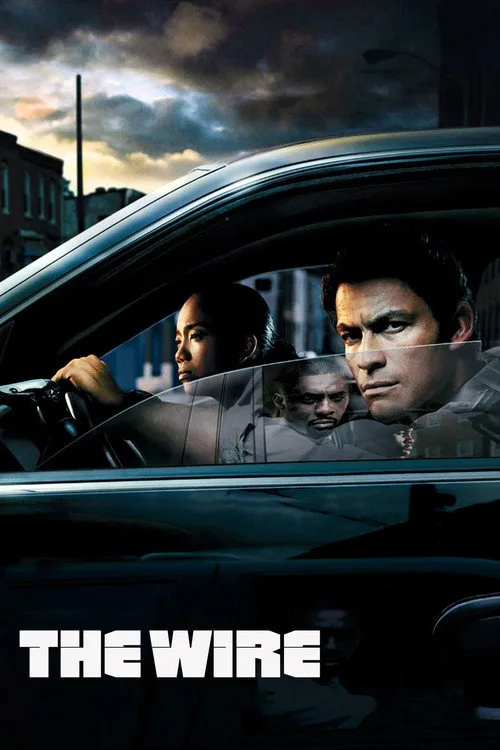 HBO Max Editor's Pick
 The Wire
Crime, Drama
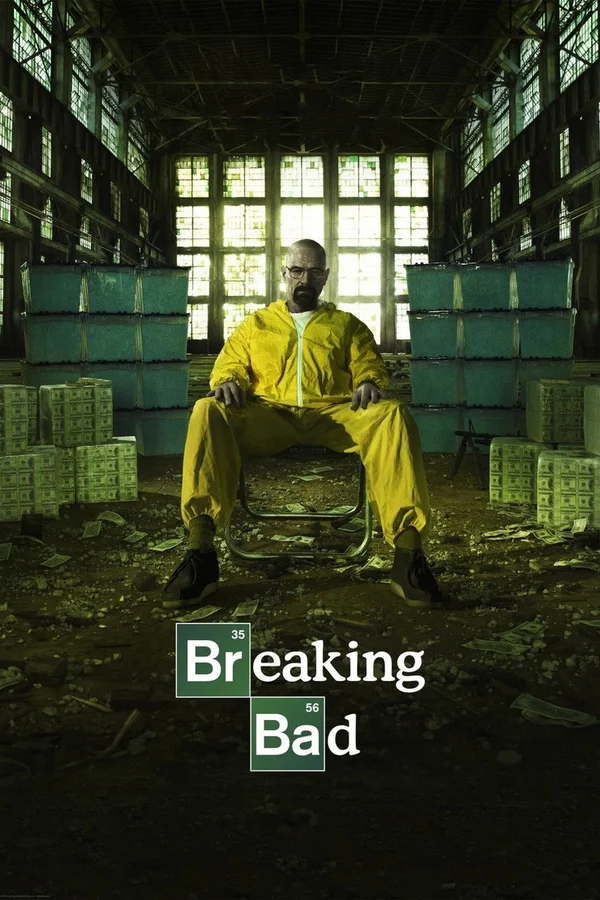 Netflix Editor's Pick
 Breaking Bad
Crime, Drama
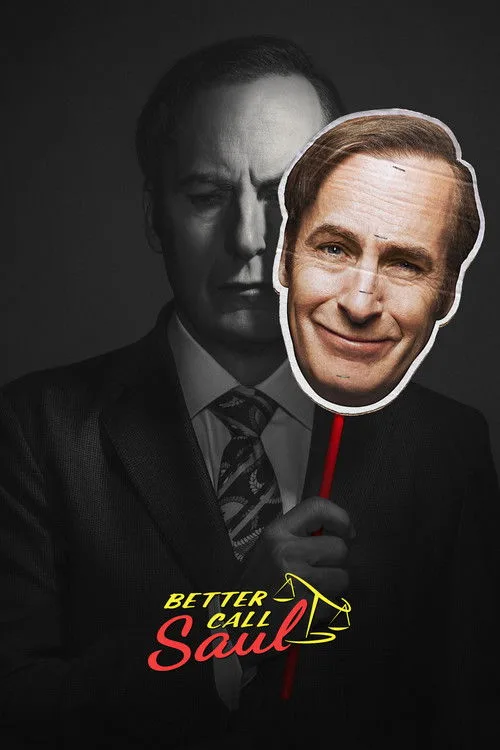 Netflix Editor's Pick
 Better Call Saul
Crime, Drama
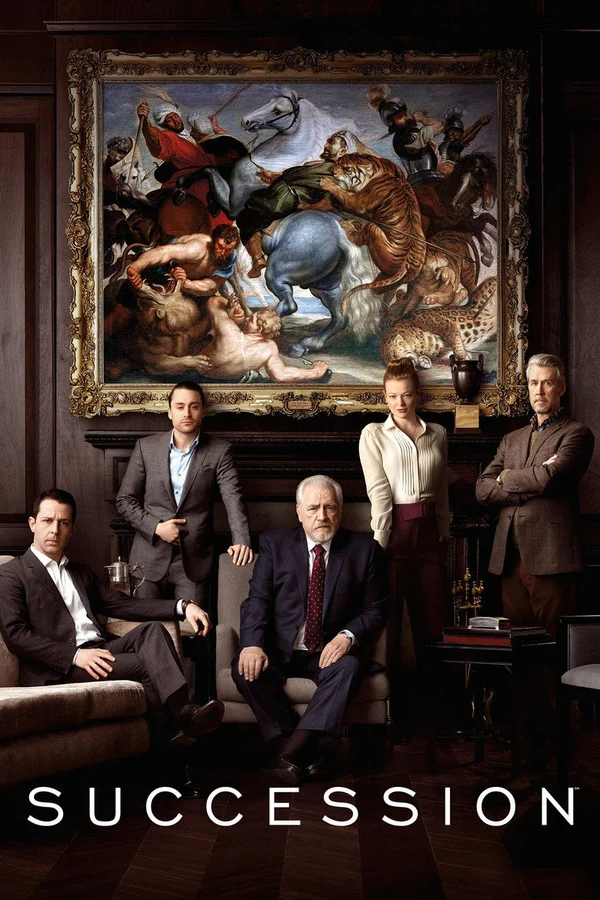 HBO Max Editor's Pick
 Succession
Drama
Streaming: HBO Max. Regional notes: HBO Max in the United States; HBO Max, Sky Cinema in the United Kingdom; HBO Max in Indonesia; Disney+ Hotstar in India.