The Pitt Review: The Medical Drama Rebuilt in Real Time
★★★★★ 5/5
Rigorous, humane and relentless — the best medical drama in a generation, built on a real-time structure that earns every emotion. Essential viewing.
Where to watch The Pitt
Streaming: HBO Max
By region: HBO Max in the United States; HBO Max, Sky Cinema in the United Kingdom; HBO Max in Indonesia; Disney+ Hotstar, Vi Movies & TV in India
Full scores & availability on the series page.
The clock as dramaturge
Television medicine has always cheated time — the montage to the next crisis, the week between episodes that heals all subplots. The Pitt’s founding decision is to refuse the cheat: one season, one shift, each episode an hour on the clock. The constraint changes everything. Exhaustion accumulates on faces rather than being announced in dialogue; a patient admitted at 9 a.m. is still dying at 3 p.m.; and the audience, denied ellipsis, experiences the emergency department the way its staff does — as a tide that never goes out.
Procedure as drama
R. Scott Gemmill’s scripts trust process the way Chernobyl trusted physics. The show’s most gripping passages are not eruptions of melodrama but competence under load: a resuscitation that follows actual protocol, a triage decision weighed in seconds, the unglamorous arithmetic of beds and staffing. It is the rare series that understands that watching skilled people work — and watching the system fail them — is inherently dramatic, no romance required.
Wyle, weathered
Noah Wyle’s Dr. Robby is the performance of his career precisely because it converses with his past one. The actor who embodied the medical drama’s boyish optimism a generation ago now plays its burnt remainder: a teacher still teaching, a believer whose belief costs him visibly by the hour. The series surrounds him with residents drawn as students rather than archetypes, and lets mentorship — impatient, flawed, indispensable — carry the emotional load usually assigned to love triangles.
The institution is the antagonist
There is no villain in The Pitt, only arithmetic: not enough beds, not enough nurses, not enough time. Its quiet radicalism is to make the American healthcare system itself the season’s antagonist, its pressures dramatized rather than editorialized. The waiting room full of the unseen is the show’s recurring image — a moral indictment staged as set dressing.
Verdict
The Pitt rebuilds a tired genre from the studs: real-time structure, procedural fidelity, and a career-crowning Noah Wyle. It is that rarest of things — a network-style ensemble drama executed with art-house discipline — and the new standard against which medical television will be measured.
More like The Pitt
 HBO Max Editor's Pick
 The Wire
Crime, Drama
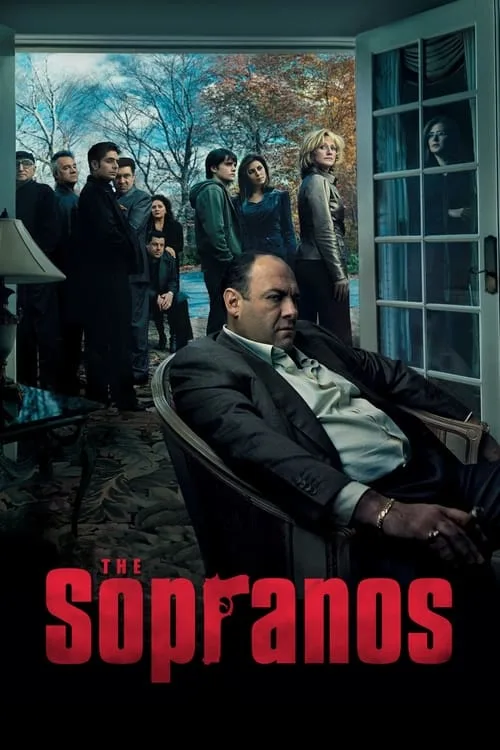 HBO Max Editor's Pick
 The Sopranos
Crime, Drama
 HBO Max Editor's Pick
 Succession
Drama
 Netflix
 Hospital Playlist
Drama, Medical
Streaming: HBO Max. Regional notes: HBO Max in the United States; HBO Max, Sky Cinema in the United Kingdom; HBO Max in Indonesia; Disney+ Hotstar, Vi Movies & TV in India.