The Bear Review: The Kitchen as Pressure Chamber, the Edit as Panic Attack
★★★★½ 4.5/5
A ferociously well-made drama that channels grief through craft — occasionally self-indulgent in later seasons, but at its best there is nothing sharper on television.
Where to watch The Bear
Streaming: Disney+, Hulu, fuboTV, YouTube TV
By region: Disney+, Hulu, fuboTV in the United States; Disney+ in the United Kingdom; Disney+ in Indonesia; Disney+ Hotstar, Vi Movies & TV in India
Full scores & availability on the series page.
Noise as narration
Christopher Storer’s series announces its method in its soundscape before its story: the overlapping shouts, the clang of pans, the “yes, chef” call-and-response that functions less as dialogue than as percussion. The Bear understands that a professional kitchen is an anxiety engine, and it films one accordingly — with a restless, colliding montage that mimics the cognitive overload of service. This is a drama about grief and inheritance that has decided to make the texture of stress its primary vocabulary.
The single-take episode as thesis
Every discussion of the show arrives, eventually, at “Review” — the seventh episode of the first season, a near-real-time single take of a catering order collapsing into disaster. It is the Rosetta Stone for the whole enterprise: the camera trapped in a cramped room, tension escalating with no cut to relieve it. When the series later reaches for the opposite register — the becalmed, Christmas-set bottle episode “Fishes,” a sprawling ensemble of famous faces detonating around a dinner table — it proves the same point in reverse. Chaos and stillness are two settings of one instrument.
Faces held too long
Storer’s other signature is the locked-off close-up held past the point of comfort — Jeremy Allen White’s Carmy, jaw working, saying nothing; Ayo Edebiri’s Sydney absorbing a blow she cannot yet answer. The show trusts the human face to carry what its frantic cutting cannot, and in Liza Colón-Zayas’s quietly monumental work it finds its still centre. Grief here is never spoken so much as endured in tight frame.
When the method becomes mannerism
Honesty compels the caveat: what thrills in the early going can harden into tic. The later seasons occasionally mistake motion for momentum, the anxiety-montage for meaning, and the celebrity-cameo bottle episode for depth. A show this attuned to the danger of a chef coasting on reputation is not immune to the same charge. Yet even its indulgences are the indulgences of real ambition.
Verdict
The Bear is the most formally alive drama American television has produced in years — a portrait of grief, family and the punishing romance of craft, told in a grammar of noise and held silence. It stumbles when it falls in love with its own intensity, but at full boil there is simply nothing else like it.
More like The Bear
 Hulu
Hulu Rivals
Drama, Comedy
 Prime Video Editor's Pick
 Fleabag
Comedy, Drama
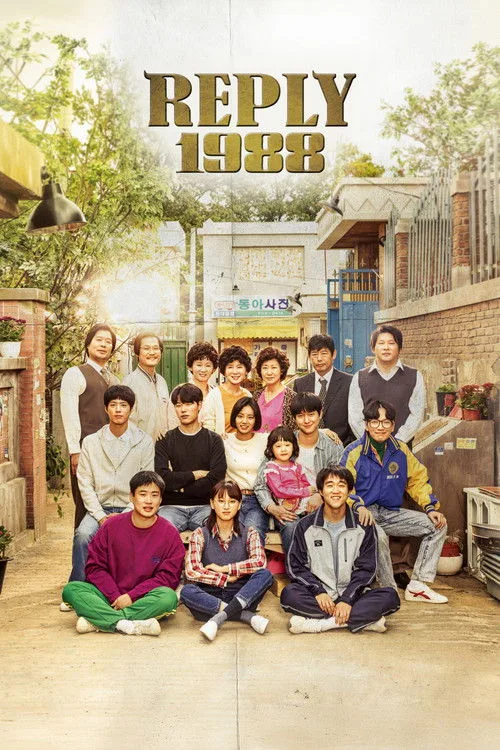 Netflix
 Reply 1988
Drama, Comedy
 Hulu Editor's Pick
 Shōgun
Drama, History
Streaming: Disney+, Hulu, fuboTV, YouTube TV. Regional notes: Disney+, Hulu, fuboTV in the United States; Disney+ in the United Kingdom; Disney+ in Indonesia; Disney+ Hotstar, Vi Movies & TV in India.