Succession (2018) Review: King Lear in a Boardroom
Succession is Jesse Armstrong's savage HBO satire of a media dynasty, a four-season family tragedy with the sharpest dialogue and finest ensemble of its decade.
★★★★★ 5/5
Yes. It is one of the great television dramas, as funny as it is devastating. Essential for anyone who loves sharp writing, and it only gets better with each season.
Is Succession worth watching?
Yes. Succession is a modern masterpiece, a vicious, blackly funny family tragedy about wealth and power that stands with the finest dramas television has produced. Jesse Armstrong’s writing makes every conversation a negotiation and every insult a small act of war, and the cast is extraordinary from top to bottom. The only caveat is that its characters are almost uniformly awful, and viewers who need someone to root for may find the early episodes hard going before the show’s grip takes hold.
What is Succession about?
Logan Roy (Brian Cox) built a global media and entertainment empire from nothing, and he has no intention of giving it up. As he approaches his 80th birthday, his four adult children circle the question of who will inherit it. Kendall (Jeremy Strong) is the anointed heir, desperate for his father’s approval. Roman (Kieran Culkin) is the mocking youngest son, Shiv (Sarah Snook) is a political operator who claims to want no part of the family firm, and Connor, the eldest, drifts through life in a haze of self-importance.
Orbiting them are Shiv’s fiancé Tom (Matthew Macfadyen), an ambitious executive who yearns to belong, and the awkward cousin Greg (Nicholas Braun), newly arrived and willing to do almost anything to stay. When a health crisis hits the patriarch, the power struggle turns open.
Succession was created by Jesse Armstrong and made for HBO. It is an American series in English. This review covers the complete story: four seasons and 39 episodes between 2018 and 2023, now streaming on HBO Max. The show has ended, with a finale that closes the story on its own terms.
Every line is a weapon
Armstrong came to Succession from British political satire, and it shows. The dialogue is dense, profane and often hilarious, but the jokes are never just jokes: they are how these people wound, test and manipulate one another, because none of them can say what they feel. A throwaway insult at a family dinner can carry as much tension as a boardroom vote.
The direction reinforces that. The restless handheld camera drifts and snaps between faces as if it too is hunting for weakness, and the most important moments often happen in reaction shots rather than speeches. Nicholas Britell’s score, all grand strings and hip-hop swagger over a broken piano motif, is instantly recognisable and gives the series its mood of decadent grandeur tipping into farce.
An ensemble with no weak link
Brian Cox makes Logan a monster of charisma, a man who can terrify a room with a single word and whose rare flashes of warmth are the cruellest thing about him. Jeremy Strong plays Kendall with a raw, almost unbearable neediness, and Kieran Culkin turns Roman’s filthy wit into a shield for someone deeply broken. Sarah Snook’s Shiv is perhaps the most complicated of all, sharp and brittle and never quite as in control as she believes.
The pairing of Matthew Macfadyen and Nicholas Braun is the show’s secret weapon. Tom and Greg’s relationship, a mix of bullying, dependence and odd friendship, provides some of the funniest scenes in modern television. The series won the Emmy for Outstanding Drama Series three times, and the acting awards it collected along the way were thoroughly earned.
The one real barrier to entry
The show’s greatest strength is also its main hurdle. There are no heroes here and very little redemption, and the first few episodes, which spend time establishing how monstrous and pampered the Roys are, can feel like a satire without a heart. The payoff is that the series slowly reveals the damaged children beneath the cruelty, and by the second season it becomes as moving as it is funny. Patience is rewarded.
Who should watch Succession?
It is essential viewing for anyone who loves dialogue-driven drama, corporate and political intrigue, or dark comedy. Four seasons of roughly hour-long episodes make it a substantial but hugely rewarding commitment, and it is best watched in order. Expect constant strong language, sexual references, drug use and emotionally brutal family dynamics.
Natural companions for afterwards:
- The Sopranos, another HBO landmark about a monstrous patriarch and the family trapped in his orbit.
- Better Call Saul for a similarly patient study of ambition and moral corrosion.
The verdict
Succession is a savage comedy that becomes a genuine tragedy, the story of a family so rich it can buy anything except the love it is fighting over. Superbly written, directed and performed from its first season to its last, it has become the benchmark for prestige television.
Rating: 5/5
Availability is a catalogue snapshot and can change. Confirm with the provider in your region.
Where to watch Succession
Streaming: HBO Max
By region: HBO Max in the United States; HBO Max, Sky Cinema in the United Kingdom; HBO Max in Indonesia; Disney+ Hotstar in India
Full scores and availability on the series page.
More like Succession
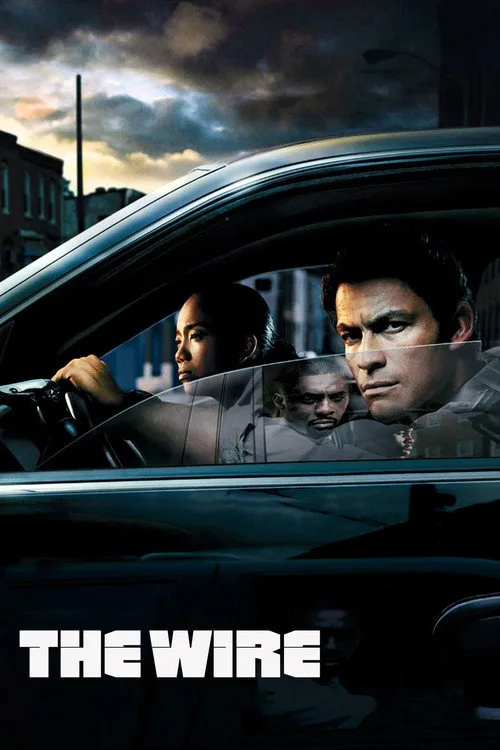 HBO Max Editor's Pick
 The Wire
Crime, Drama
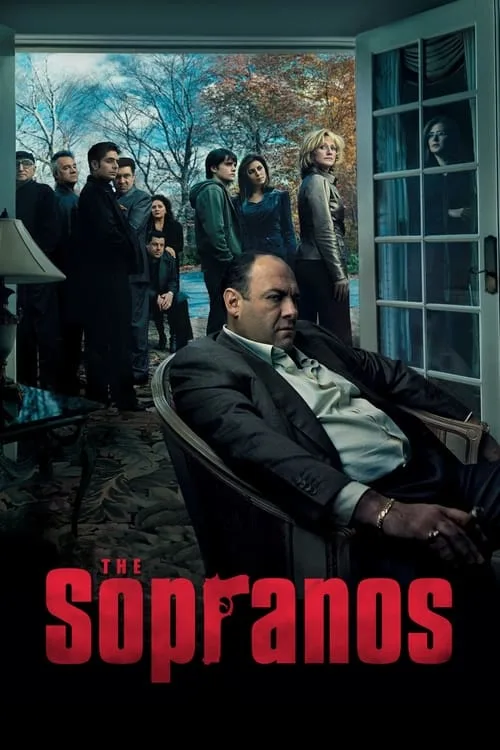 HBO Max Editor's Pick
 The Sopranos
Crime, Drama
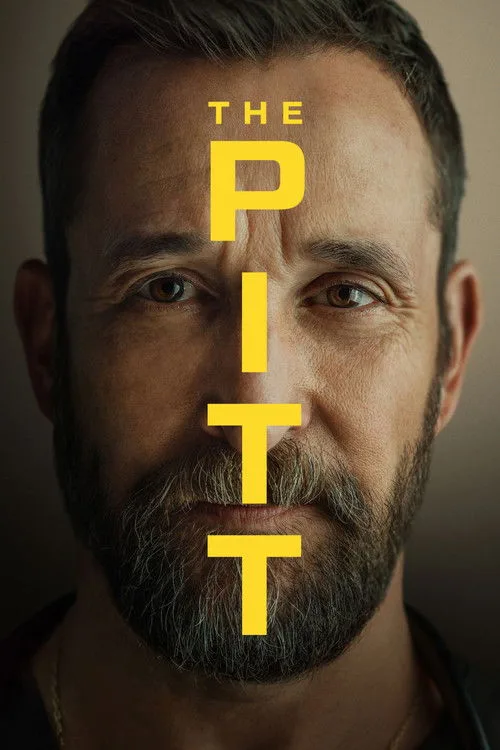 HBO Max Editor's Pick
 The Pitt
Drama, Medical
 HBO Max Editor's Pick
 Chernobyl
Drama, History
Where can I watch Succession?
Streaming: HBO Max. Regional notes: HBO Max in the United States; HBO Max, Sky Cinema in the United Kingdom; HBO Max in Indonesia; Disney+ Hotstar in India.