Pachinko Review: A Diaspora Epic Told in Three Languages and Four Generations
★★★★★ 5/5
A ravishing, deeply humane epic of survival and identity — one of the most ambitious and moving series of its era. Extraordinary.
Where to watch Pachinko
Streaming: Apple TV+
By region: Apple TV+ in the United States; Apple TV+ in the United Kingdom; Apple TV+ in Indonesia; Apple TV+ in India
Full scores & availability on the series page.
History at human scale
Adapted from Min Jin Lee’s novel, Pachinko takes on a century of occupation, migration and prejudice, and its masterstroke is to render all of it through the granular texture of one family’s daily life. The sweep is enormous; the focus is a bowl of rice, a first betrayal, a mother’s calculation. The series understands that the epic is only earned through the intimate, and it never mistakes scale for weight.
The politics of the subtitle
Soo Hugh’s adaptation makes a formal choice of real intelligence: Korean dialogue is subtitled in one colour, Japanese in another. Language becomes visible as power — who must assimilate, who may condescend, what is lost in the crossing. In a lesser show this would be a gimmick; here it turns the screen into a map of empire, and every code-switch carries a history of coercion.
Braided time
The series cuts freely between a young Sunja in occupied Korea and her grandson chasing money in 1989 Tokyo, and the montage does argumentative work — rhyming gestures across generations, insisting that dignity and shame are inherited alongside surnames. It is a structure that could feel schematic and instead feels like memory itself, circling and returning.
Faces that carry a century
Youn Yuh-jung and Minha Kim, playing Sunja across time, hand a single soul between them without a seam, and the show’s title sequence — the cast dancing, joyous, through a pachinko parlour — is a quiet act of defiance against a story so full of sorrow. It insists these people are more than their suffering.
Verdict
Pachinko is a monumental achievement — formally daring, emotionally overwhelming, and generous to every character it touches. A landmark of the streaming era and a masterpiece of adaptation.
More like Pachinko
 Netflix Editor's Pick
 When Life Gives You Tangerines
Drama, Romance
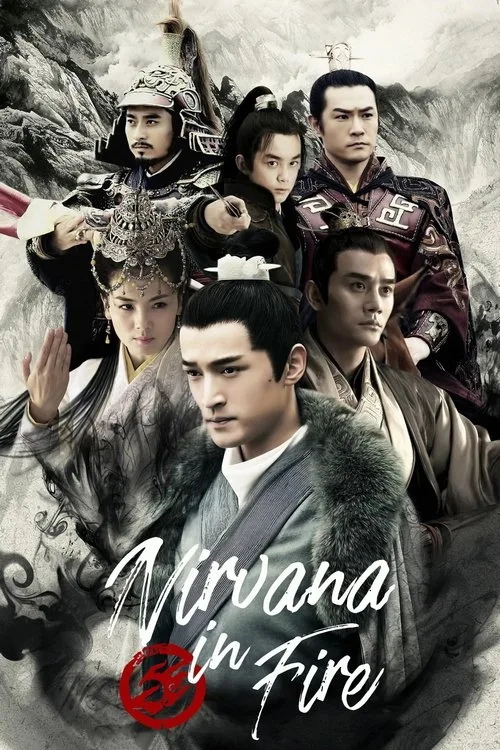 Viki Editor's Pick
 Nirvana in Fire
Drama, History
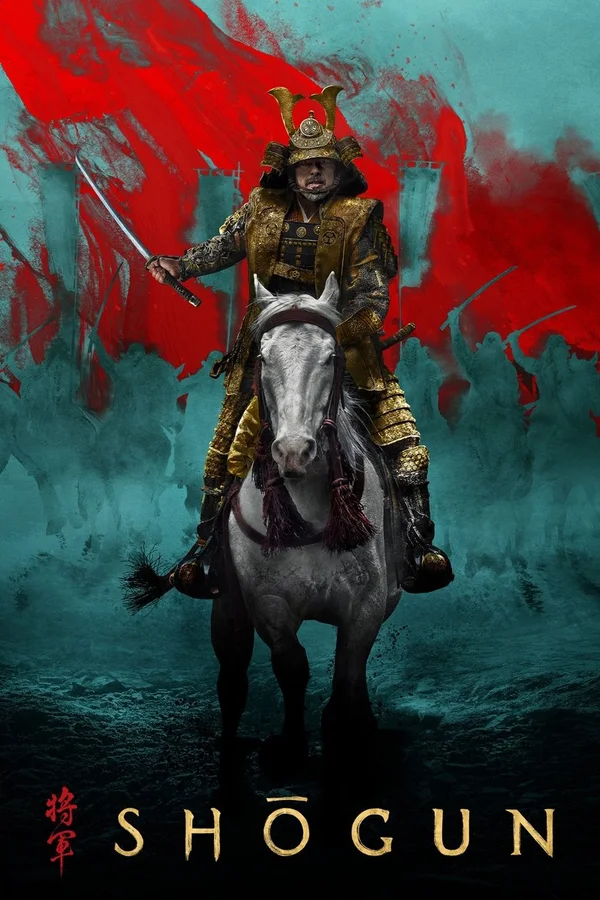 Hulu Editor's Pick
 Shōgun
Drama, History
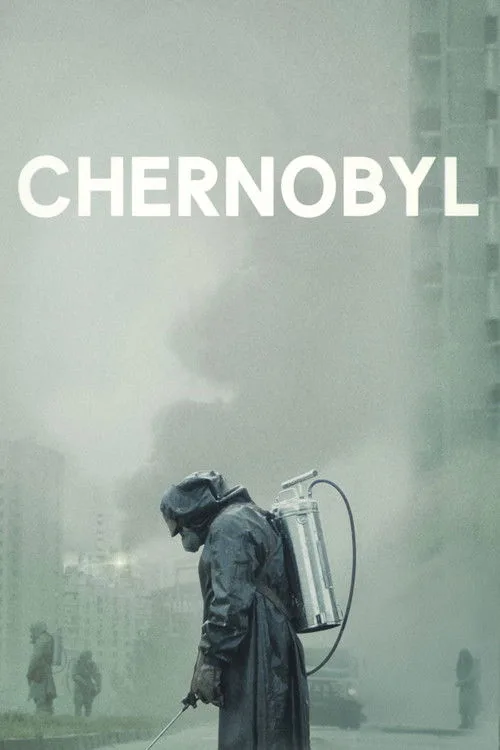 HBO Max Editor's Pick
 Chernobyl
Drama, History
Streaming: Apple TV+. Regional notes: Apple TV+ in the United States; Apple TV+ in the United Kingdom; Apple TV+ in Indonesia; Apple TV+ in India.