Nirvana in Fire (2015) Review: A Strategist's Long Game
Nirvana in Fire follows a frail strategist who returns to the capital under a new name to right an old injustice, a Chinese court epic of rare intelligence and craft.
★★★★★ 5/5
Yes, emphatically. It is among the finest Chinese dramas ever made, ideal for patient viewers who love political intrigue and can commit to 54 episodes.
Is Nirvana in Fire worth watching?
Yes. Nirvana in Fire is a masterpiece of historical television, an intricately plotted, morally serious court drama that rewards every hour of its considerable length. Instead of battles and palace melodrama, it stakes everything on intelligence, turning a campaign for justice into a slow, absorbing game of strategy. The only real hurdle is the opening stretch, where a large cast, dense politics and a leisurely pace ask for patience before the series takes hold.
What is Nirvana in Fire about?
Years after a loyal army was wiped out and branded as traitors, a sickly scholar known as Mei Changsu arrives in the capital of the kingdom of Great Liang. He is celebrated as a brilliant strategist, and the rival princes competing for the throne are eager to recruit him. What they do not know is that he is the army’s sole survivor, returned under a new identity to clear the names of the dead and reshape the succession from the shadows. His chosen instrument is Prince Jing, an honest, overlooked son of the emperor with no talent for court politics.
Nirvana in Fire is a Chinese series in Mandarin, adapted by Hai Yan from her own novel and directed by Kong Sheng with Li Xue. Hu Ge plays Mei Changsu, Wang Kai plays Prince Jing, and Liu Tao, Chen Long and Leo Wu head the supporting cast. This review covers the complete series: one season of 54 episodes, with a finished story.
Strategy as spectacle
Most period dramas rely on combat and romance for excitement. Nirvana in Fire finds its thrills in plans. Mei Changsu fights with information, alliances and misdirection, and the series trusts its audience to track the moves of a political chess match that spans dozens of episodes. The pleasure lies in watching carefully laid pieces fall into place, often long after they were set up, and in realising how much has been hidden in plain sight.
The writing is exceptionally disciplined. Schemes have consequences, allies have their own agendas, and the princes and ministers opposing Mei Changsu are intelligent adversaries rather than straw men. Few television dramas anywhere handle political plotting with this degree of clarity.
Hu Ge’s performance of a man spending himself
For all its cerebral plotting, the drama is fundamentally about grief. Its hero has sacrificed his health, his identity and his old life for this campaign, and the show never lets that cost fade from view. Hu Ge plays Mei Changsu with a stillness that suggests constant physical pain and emotional armour, and his rare moments of vulnerability hit hard precisely because they are so rationed.
Wang Kai gives Prince Jing a stubborn, straightforward decency that makes him a perfect counterpart, and the relationship between the strategist and the prince, full of things one of them cannot say, is the emotional core of the series. Liu Tao brings grace and authority to a princess with her own military command.
Classical elegance in every frame
The production is a model of restrained period craft: muted palettes, carefully composed interiors, formal costumes and a score that underlines rather than manipulates. The show avoids the garish effects and gaudy sets that mar many costume dramas, and its dignity matches its themes of loyalty and integrity.
If there is a limitation, beyond the early density, it is tonal. Leo Wu’s young, childlike bodyguard provides comic relief that some viewers will find charming and others jarring next to the gravity elsewhere.
Who should watch Nirvana in Fire?
It is essential viewing for fans of historical drama, political thrillers and patient, intelligent storytelling. Fifty-four episodes is a major commitment, and newcomers should expect to keep notes on names in the early going. Violence is present but restrained, with battle aftermath and occasional torture, and the tone is serious throughout.
If it captures you, three good next steps:
- Minning Town, a very different contemporary drama that shares director Kong Sheng’s patient, humane style.
- Empresses in the Palace, for another long, meticulously plotted court drama built on hidden motives.
- Joy of Life, for court intrigue with a lighter, wittier hero at its centre.
The verdict
Nirvana in Fire is a pinnacle of Chinese television: intelligent, elegant and profoundly moving. Its dense opening demands patience, but the reward is an epic of political strategy and personal sacrifice that remains one of the greatest historical dramas made anywhere.
Rating: 5/5
Availability is a catalogue snapshot and can change. Confirm with the provider in your region.
Where to watch Nirvana in Fire
Platform: Viki
By region: Netflix, Wavve, TVING in South Korea; U-NEXT in Japan
Full scores and availability on the series page.
More like Nirvana in Fire
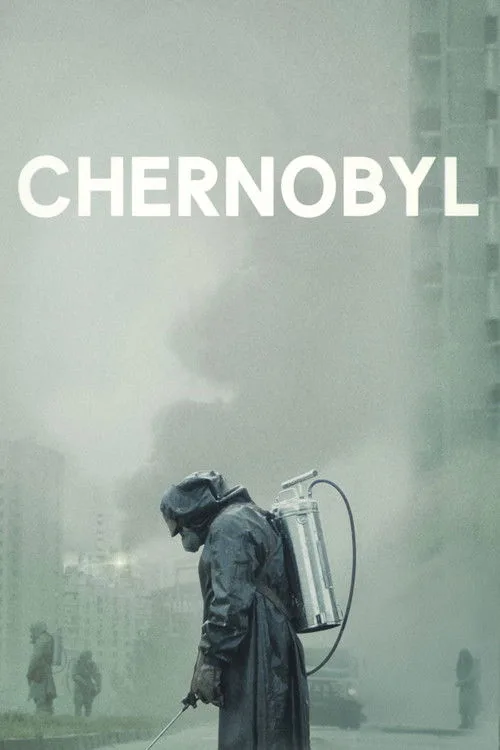 HBO Max Editor's Pick
 Chernobyl
Drama, History
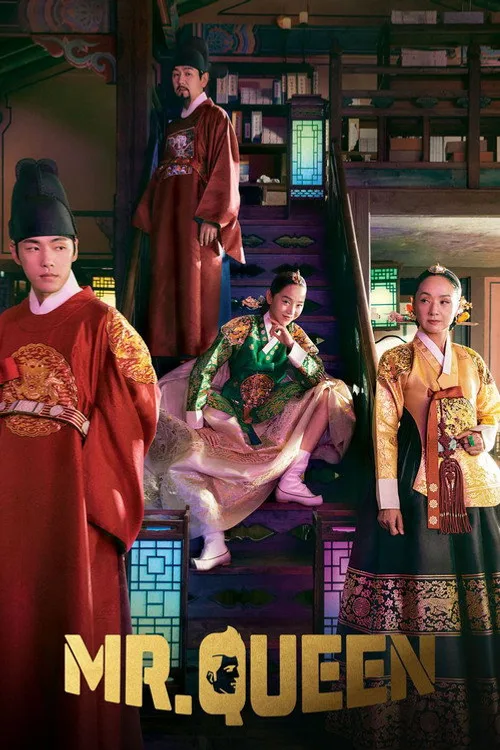 Viki
Viki Mr. Queen
Comedy, Drama
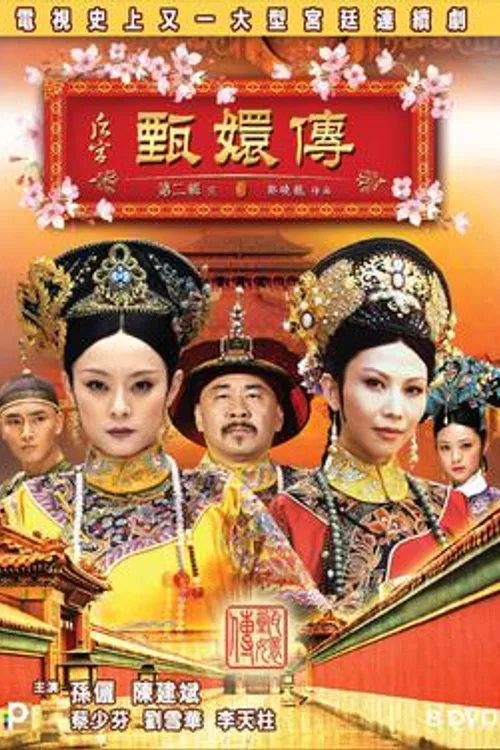 Viki Editor's Pick
 Empresses in the Palace
Drama, History
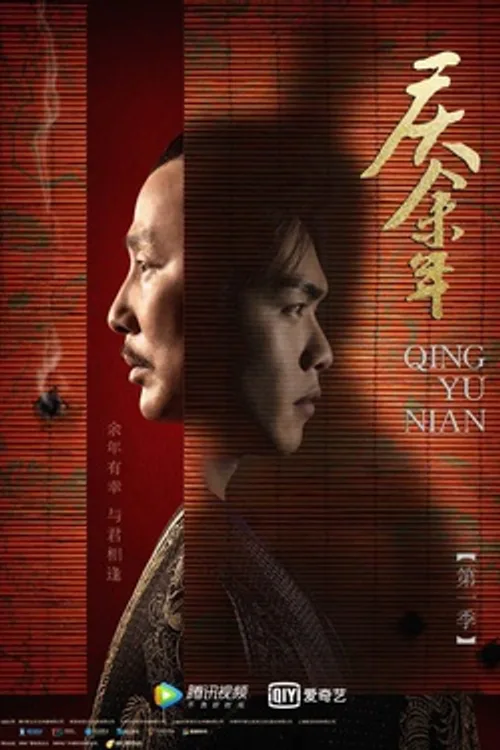 Viki Editor's Pick
 Joy of Life
Drama, Comedy
Where can I watch Nirvana in Fire?
Catalog platform: Viki. Regional notes: Netflix, Wavve, TVING in South Korea; U-NEXT in Japan.