Empresses in the Palace (2011) Review: Survival as Strategy
Empresses in the Palace is the benchmark Chinese palace drama: a 76-episode Qing epic about a young consort learning to survive a harem where every gesture is a move.
★★★★½ 4.5/5
Yes. It is the defining palace-intrigue drama, essential for fans of historical epics and slow-burn power games, provided you have the patience for 76 episodes.
Is Empresses in the Palace worth watching?
Yes. Empresses in the Palace is the standard against which Chinese palace dramas are still measured: intricate, unsentimental and anchored by a superb central performance from Sun Li. Its great achievement is showing, step by step, how a decent young woman learns to play a lethal game, and making each lesson feel earned. The main reservation is scale. At 76 episodes it demands a real commitment, and its slow, ritual-heavy rhythms will test anyone used to faster modern television.
What is Empresses in the Palace about?
Set in the early 18th century during the reign of the Yongzheng Emperor of the Qing dynasty, the series follows Zhen Huan (Sun Li), a clever and principled young noblewoman who is selected to join the imperial harem. She enters with friends and hopes of a quiet life, but the inner palace is a closed world ruled by rank, favour and fear. Consorts compete for the emperor’s attention because their families’ fortunes depend on it, and the most powerful women, including the emperor’s glamorous favourite, Consort Hua (Jiang Xin), and the composed Empress (Ada Choi), guard their positions with ruthless care.
Empresses in the Palace was directed by Zheng Xiaolong and is a Chinese production in Mandarin, adapted from a popular web novel. It is a single, complete season of 76 episodes, with Chen Jianbin as the emperor. A heavily condensed six-episode version was later released internationally, but the full series is the one that earned its reputation.
A transformation told in small steps
The drama’s central subject is change. Zhen Huan does not become a strategist overnight; she learns through small humiliations, misplaced trust and near misses, and the writing tracks each adjustment in her thinking. Sun Li plays this gradual hardening with remarkable control, letting warmth drain from her face scene by scene until the audience can hardly remember the girl who arrived. It is one of the great long-form performances in Chinese television.
The series is equally precise about the people around her. Friendships are tested by jealousy, rivals turn out to have sympathetic reasons, and loyalties shift with each change in the emperor’s mood. No one is simply good or evil for long, which gives the intrigue its lasting sting.
Where ritual becomes drama
The production’s obsession with detail is not decoration. Costumes, hairpieces, forms of address and ceremonial duties are all signs of rank, and the show teaches viewers to read them. A gift of fabric, the choice of a seat or a phrase at tea can be an attack or an alliance, and once you learn the language, even quiet scenes crackle.
Jiang Xin’s Consort Hua is the show’s most vivid presence in its early stretch, imperious, funny and dangerous, while Ada Choi gives the Empress a stillness that is more unsettling than any outburst. Chen Jianbin plays the emperor as a man whose affection is always tangled with suspicion, and his changing moods drive much of the plot.
The price of scale
The drama’s length cuts both ways. Its slow build is essential to the power of the later episodes, but there are stretches where schemes repeat, subplots circle and the story waits for its next turn. The production is also of its moment: the look is handsome rather than cinematic, and some supporting performances are broad. Newcomers should also know that the harem’s cruelty, including harm to pregnancies and children, is a recurring element.
Who should watch Empresses in the Palace?
This is one for lovers of historical epics, court politics and character-driven strategy, and anyone curious about why this genre became so popular across Asia. Plan for a long commitment of many weeks; it is best watched steadily, since keeping track of ranks and alliances gets harder with gaps. Violence is mostly psychological, but themes include poisoning, miscarriage and cruelty.
Fans of its intrigue may enjoy:
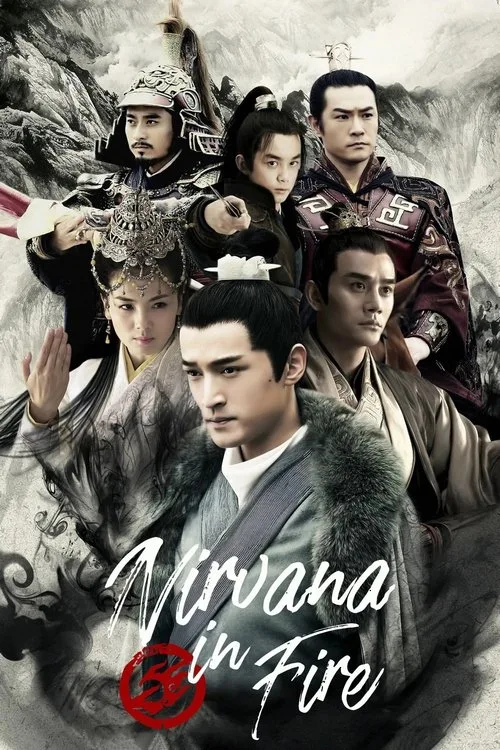
- Nirvana in Fire, a court drama built on strategy and patience, told from the scheming minister’s side rather than the harem’s.
- Joy of Life for palace politics leavened with far more humour.
More period storytelling is collected in our history section.
The verdict
Empresses in the Palace is a landmark of television drama, not just the palace genre: a meticulous portrait of how power reshapes a person, carried by Sun Li’s extraordinary lead performance. Its length and occasional repetition ask a lot, but the payoff justifies the time.
Rating: 4.5/5
Availability is a catalogue snapshot and can change. Confirm with the provider in your region.
Where to watch Empresses in the Palace
Platform: Viki
By region: TVING in South Korea; Prime Video, U-NEXT in Japan
Full scores and availability on the series page.
More like Empresses in the Palace
 Viki
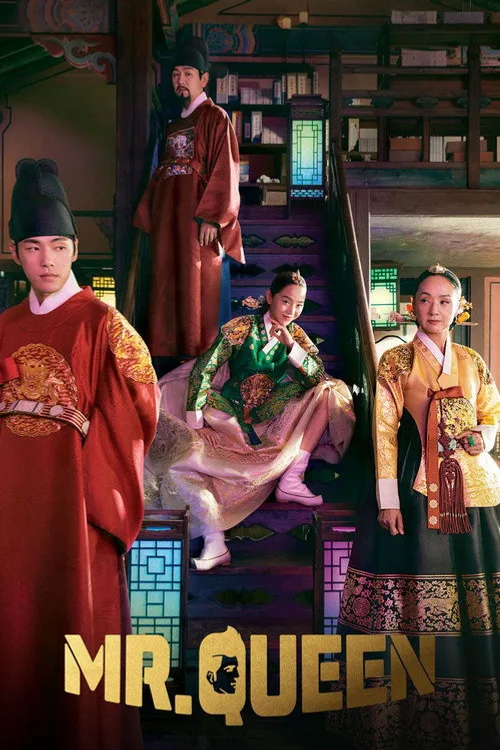
Mr. Queen
Comedy, Drama
 Viki
Story of Yanxi Palace
Drama, History
 Netflix Editor's Pick
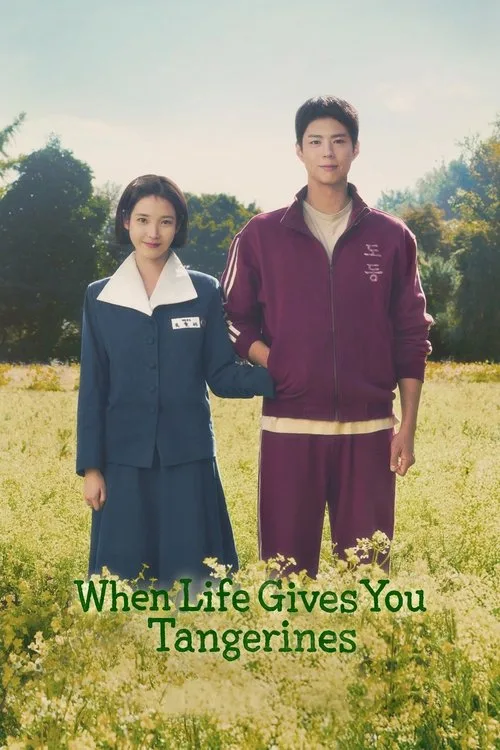
When Life Gives You Tangerines
Drama, Romance
 Viki Editor's Pick
Nirvana in Fire
Drama, History
Where can I watch Empresses in the Palace?
Catalog platform: Viki. Regional notes: TVING in South Korea; Prime Video, U-NEXT in Japan.