Disclosure Day (2026) Review: Spielberg Looks Up, Uneasily
Disclosure Day is Steven Spielberg's slow-burn first-contact thriller, less about spectacle than about who controls a truth too big to keep, led by Emily Blunt.
Yes, with reservations. It is a gripping, grown-up Spielberg conspiracy thriller for patient viewers, though anyone expecting alien-invasion spectacle may find it too restrained.
Is Disclosure Day worth watching?
Yes, with reservations. Disclosure Day is a tense, beautifully controlled science fiction thriller that finds Steven Spielberg turning his famous sense of wonder into something closer to dread. Its strengths are atmosphere and a superb ensemble led by Emily Blunt, and it is more interested in how people and institutions react to a world-changing revelation than in the revelation itself. The reservation is pace: this is a slow burn, and viewers hoping for a summer blockbuster in the mould of his earlier alien films may find it frustratingly withholding.
What is Disclosure Day about?
When long-buried evidence surfaces about what governments have really known, a small group of scientists, officials and ordinary people find themselves caught in the fallout of a secret far too large to stay hidden. As powerful interests scramble to control the story before the public learns the truth, the characters, among them a meteorologist and a would-be whistleblower, are pulled into a conspiracy that stretches from Kansas City to New York.
Disclosure Day is directed by Spielberg and stars Emily Blunt, Josh O’Connor, Colin Firth, Eve Hewson, Colman Domingo and Wyatt Russell. It is an American production in English, released in June 2026, and it runs 145 minutes. It is available to rent or buy digitally.
Wonder turned to unease
Spielberg has spent his career filming faces looking upward in awe. Here, that familiar image is complicated. The camera keeps returning to people as they absorb information that shakes their sense of the world, and what it finds on their faces is more often fear and disorientation than rapture. The effect is quietly unsettling, a late-career reconsideration of the optimism that defined much of his science fiction.
The filmmaking is precise and restrained. Much of the tension is built in rooms, on screens and in conversations rather than in open skies, and the most powerful sequences rely on held looks and slow reveals rather than effects. It recalls the paranoid political thrillers of the 1970s as much as Spielberg’s own blockbusters.
An ensemble that plays it low
The cast is uniformly strong, and the performances are deliberately understated. Blunt gives the film its human centre, playing intelligence and fear in the same breath, and she makes the story’s stranger elements feel grounded. Josh O’Connor and Colin Firth are both well used in roles that are best discovered fresh, each bringing a different temperature to a story built on secrets.
Colman Domingo, Eve Hewson and Wyatt Russell fill out a world where everyone seems to know a little more, or a little less, than they admit. The film’s real subject is not the event but the management of it: who decides what the public is allowed to know, and what that decision costs.
Where restraint becomes a limitation
The slow build is purposeful, but it is not always gripping. The middle stretch spends a long time on procedure and conversation, and the multiple storylines take a while to converge. Some viewers will find the film’s refusal to deliver conventional spectacle bracing; others will find it simply cool and distant. At 145 minutes, the patient approach occasionally tips into ponderousness, and a few characters feel more like positions in an argument than people.
Who should watch Disclosure Day?
It is for admirers of Spielberg’s more serious work, fans of conspiracy and first-contact science fiction that takes its ideas seriously, and anyone who enjoys a slow-burn thriller with strong performances. Families expecting a crowd-pleasing adventure should adjust their expectations. Its intensity comes from dread and suspense rather than graphic violence, making it better suited to teenagers and adults.
For more Spielberg encounters with the unknown:
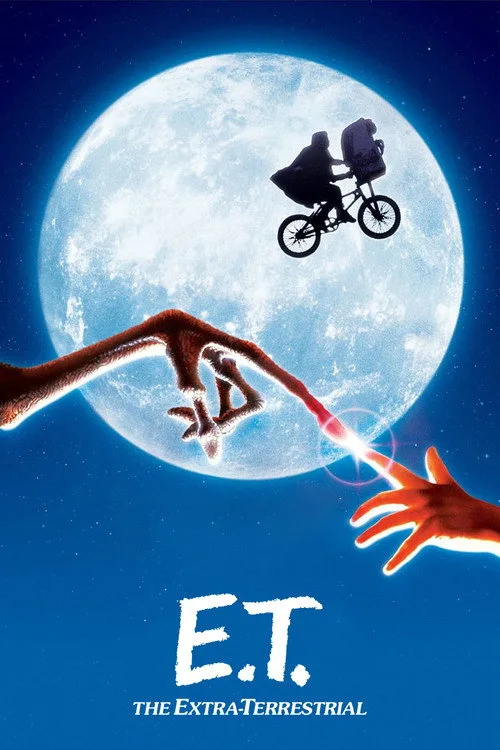
- E.T. the Extra-Terrestrial, his warmest vision of contact, and a striking contrast to this film’s unease.
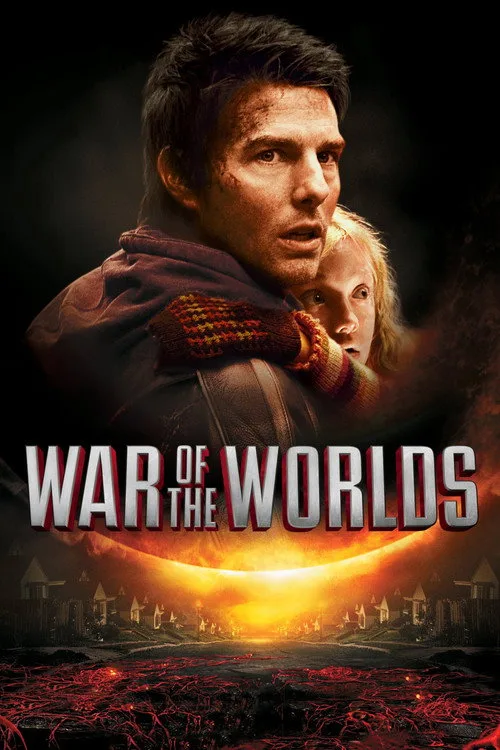
- War of the Worlds, his darkest earlier take on alien arrival, told from the ground up.
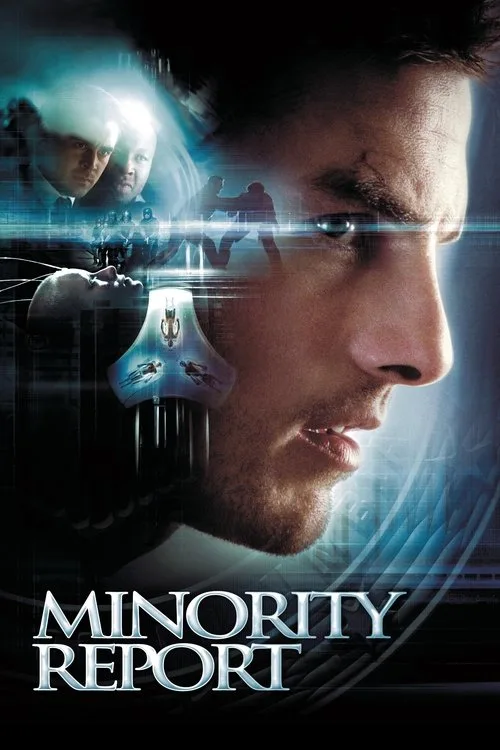
- Minority Report, another Spielberg thriller about institutions, surveillance and who controls the truth.
The verdict
Disclosure Day is a mature, controlled and quietly haunting film from a director still willing to question his own legacy. Its deliberate pace and emotional coolness will not win over everyone, but its performances and atmosphere make it a rewarding, thought-provoking watch.
Availability is a catalogue snapshot and can change. Confirm with the provider in your region.
Where to watch Disclosure Day
Not confirmed on major subscription platforms in our US baseline — check regional listings.
Rent: Amazon Video, Apple TV, Google Play, YouTube, Fandango at Home
Buy: Amazon Video, Apple TV, Google Play, YouTube, Fandango at Home
Full scores and availability on the movie page.
If you liked Disclosure Day
Ranked by genre overlap and Celluloid Score.