Better Call Saul Review: The Prequel That Dared to Be Slower Than Its Legend
★★★★★ 5/5
A prequel that equals — many would say surpasses — its predecessor: patient, formally exquisite, and quietly devastating. A masterpiece.
Where to watch Better Call Saul
Streaming: Netflix
By region: Netflix in the United States; Netflix in the United Kingdom; Netflix in Indonesia; Netflix in India
Full scores & availability on the series page.
Against the adrenaline
Breaking Bad was a chemical reaction of a show, all acceleration and consequence. Vince Gilligan and Peter Gould’s prequel makes the audacious choice to slow almost to stillness — to build tension not from what happens but from what we dread is coming. This is dramatic irony deployed as a structural principle: we have met Saul Goodman, we know what becomes of these people, and so every gentle scene of Jimmy McGill still trying to be good acquires the ache of a foregone conclusion.
Composition as fate
No recent American drama has been more beautiful to look at, and none has made its beauty mean more. The series’ fondness for the extreme wide shot — a lone figure dwarfed by desert, by strip-mall geometry, by the beige vastness of a legal office — is a thesis about smallness and determinism. Cold opens rendered in monochrome, montages of documents and drudgery elevated to lyricism: the show finds the sublime in the procedural, and insists that a life is decided in these unglamorous frames.
The tragedy of Kim Wexler
The prequel’s boldest invention is a character the source material never contained. Rhea Seehorn’s Kim Wexler is the moral gravity the show orbits, and her arc — a competent, principled woman drawn toward the con not by weakness but by its intoxication — is the real engine of the tragedy. Bob Odenkirk matches her by playing Jimmy as a man performing his own likeability until the performance is all that is left. Their two-handers are among the finest acting on television.
A world in parallel
That the series also sustains a second, near-silent register — Jonathan Banks and Giancarlo Esposito conducting a cartel chess game in long wordless sequences — and braids it into the whole without strain is a feat of construction. Two tragedies, one legal and one criminal, converging on a fate we have already witnessed.
Verdict
Better Call Saul is a rebuke to the idea that prequels must be lesser. Slower, sadder and more formally controlled than the show that spawned it, it turns inevitability into art. Whether it surpasses Breaking Bad is a pleasant argument to have; that it belongs in the same sentence is beyond dispute.
More like Better Call Saul
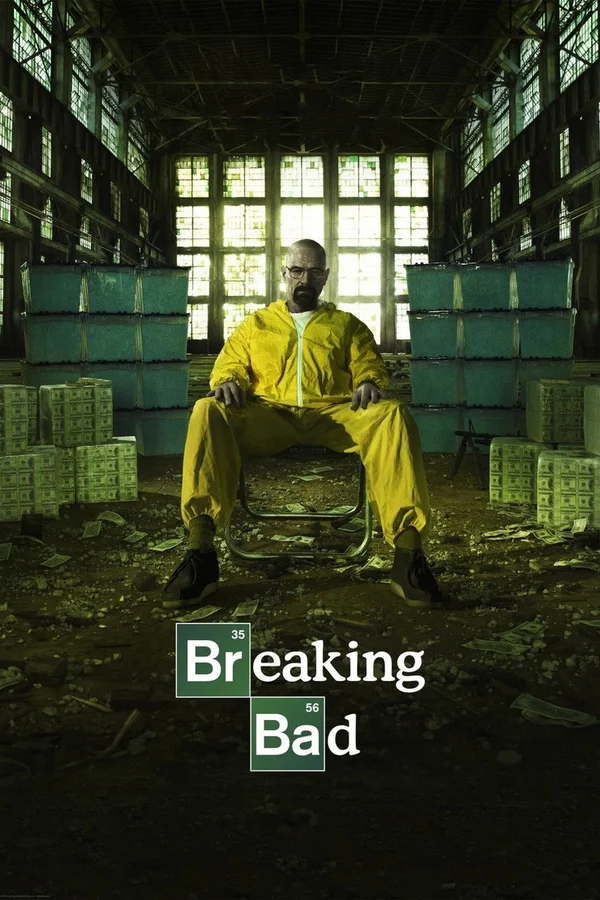 Netflix Editor's Pick
 Breaking Bad
Crime, Drama
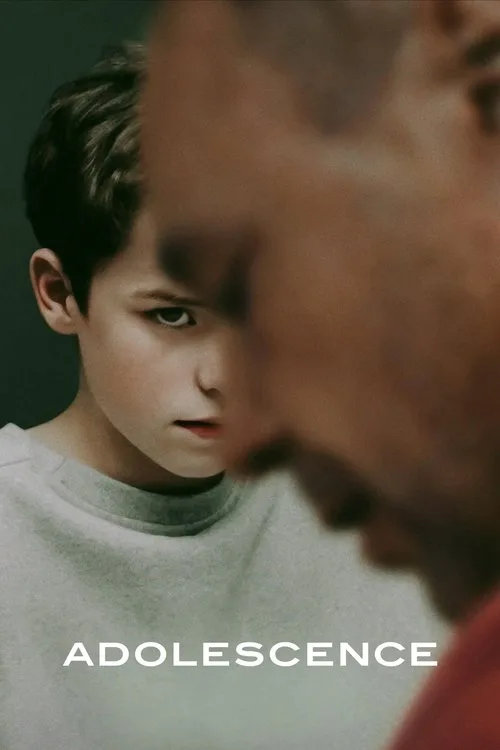 Netflix Editor's Pick
 Adolescence
Crime, Drama
 Netflix
 Delhi Crime
Crime, Drama
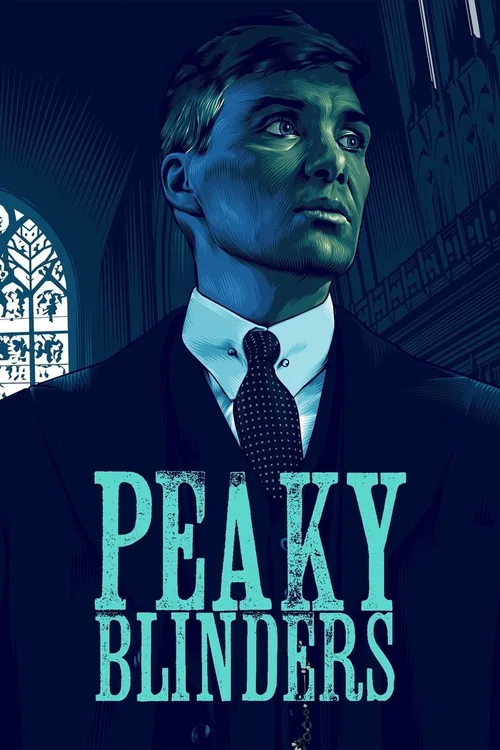 Netflix Editor's Pick
 Peaky Blinders
Drama, Crime
Streaming: Netflix. Regional notes: Netflix in the United States; Netflix in the United Kingdom; Netflix in Indonesia; Netflix in India.